
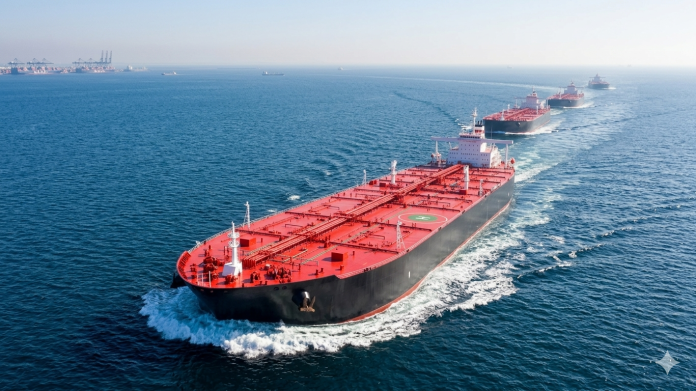

Pakistan has introduced a temporary policy allowing the import of crude oil and petroleum products on a cost, insurance, and freight basis for a limited period of sixty days. The move aims to ensure uninterrupted fuel supplies as global energy markets experience increased volatility and shipping disruptions.
The decision was taken to help local oil importers manage rising transportation and insurance costs, which have been significantly affected by geopolitical tensions and instability in key energy shipping routes. By permitting suppliers to handle freight and insurance arrangements, authorities hope to reduce the operational challenges faced by domestic importers and maintain steady fuel availability in the country.
Temporary Relief for Oil Importers
The temporary permission allows oil companies to import crude oil and petroleum products under CIF terms. Under this arrangement, the foreign supplier is responsible for the cost of the product, the freight charges for shipping, and the insurance coverage during transportation.
Normally, local importers handle shipping and insurance arrangements themselves. However, recent developments in international markets have made these processes more complex and expensive. The temporary relaxation provides relief to importers by shifting those responsibilities to international suppliers who are better positioned to manage shipping and insurance logistics.
This measure is expected to reduce delays in shipments and ensure that fuel supplies continue without interruption during the challenging global market conditions.
Rising Global Energy Market Uncertainty
The global energy market has been facing uncertainty due to ongoing geopolitical tensions in key regions associated with oil production and transportation. These tensions have affected shipping routes and created instability in the maritime insurance sector.
Freight costs for oil tankers operating in the Gulf region have reportedly surged significantly as shipping companies factor in higher operational risks. At the same time, marine insurers have either withdrawn coverage in certain high-risk zones or increased war risk premiums.
These developments have made it difficult for importers to secure affordable shipping and insurance coverage, increasing the overall cost and complexity of importing petroleum products.
Challenges in Securing Marine and War Risk Insurance
One of the biggest challenges faced by oil importers recently has been the rising cost of marine and war risk insurance. Insurance providers have reassessed risk levels in major oil transit routes and adjusted their pricing accordingly.
In many cases, insurance premiums have increased sharply, while some insurers have limited coverage for vessels passing through high-risk areas. This has created uncertainty for companies trying to plan shipments and maintain consistent supply chains.
By allowing CIF-based imports, authorities aim to reduce this burden on local companies. International suppliers typically have established relationships with global shipping companies and insurers, making it easier for them to arrange transport and insurance under volatile market conditions.
Ensuring Stable Fuel Supplies
Maintaining a stable supply of petroleum products is critical for the country’s economic stability. Fuel is essential for transportation, power generation, manufacturing, and several other key sectors.
Any disruption in oil imports could have a direct impact on fuel availability, energy production, and industrial activity. The temporary policy adjustment is therefore designed to minimize risks to the supply chain and ensure that fuel shipments continue smoothly despite global uncertainties.
Authorities expect the move to provide short-term stability while the international shipping and insurance markets adjust to the evolving situation.
A Short-Term Measure to Manage Market Volatility
The approval for CIF-based oil imports is a temporary measure that will remain in place for sixty days. During this period, authorities will closely monitor developments in global shipping markets and regional geopolitical conditions.
If international freight and insurance markets stabilize, the policy may return to its previous framework where local importers manage logistics independently. However, if volatility continues, further adjustments could be considered to support the energy supply chain.
For now, the decision provides immediate relief to oil importers and helps safeguard the country’s fuel supply during a period of heightened global uncertainty.
Read More
Fareed Ahmed Tarrar Selected to Lead Competition Commission of Pakistan


