
Rising Middle East Tensions Threaten Pakistan’s Economic Stability
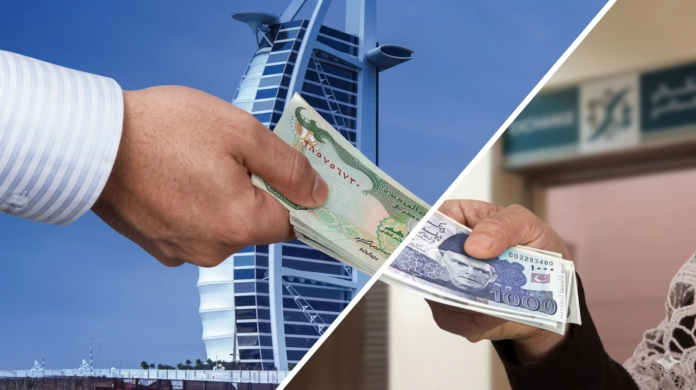
Growing tensions in the Middle East are emerging as a significant risk to Pakistan’s economic outlook, particularly in terms of remittance inflows and overseas employment opportunities. With millions of Pakistanis working in Gulf countries, any prolonged instability in the region could have far-reaching consequences for both the national economy and the livelihoods of expatriate workers.
Recent analysis suggests that Pakistan could face a potential loss of $3 to $4 billion in annual remittances if the situation in the Middle East continues to deteriorate. This projected decline highlights the country’s heavy reliance on external income sources and underscores the vulnerability of its economic structure to regional geopolitical developments.
Dependence on Overseas Workforce and Remittances
Pakistan has long relied on remittances as a vital component of its economy. Funds sent back by overseas workers contribute significantly to household incomes, foreign exchange reserves, and overall economic stability. These inflows account for approximately 10 percent of the country’s economy, making them one of the most important financial lifelines.
A large proportion of these remittances originate from Middle Eastern countries, where nearly six million Pakistani workers are currently employed. These individuals are engaged in a wide range of sectors, including construction, services, and domestic work. Their earnings not only support their families back home but also play a crucial role in sustaining the national economy.
However, this heavy dependence on a single region creates significant risks. Any disruption in the Middle East, whether due to political instability, economic slowdown, or conflict, can directly impact remittance flows and employment opportunities for Pakistani workers.
Declining Job Opportunities in Gulf Countries
One of the most immediate concerns arising from regional tensions is the potential reduction in job opportunities for overseas workers. Each year, between 700,000 and 800,000 Pakistanis travel to Gulf countries in search of employment. These opportunities have historically provided a steady stream of income and helped ease pressure on the domestic job market.
If the current tensions persist, the number of new workers securing employment abroad could decline sharply. Estimates suggest that around 500,000 Pakistanis may be unable to find overseas jobs in the coming year. This would represent a significant drop in employment opportunities and could lead to increased unemployment within the country.
A slowdown in hiring across Gulf economies, driven by uncertainty and reduced economic activity, could further exacerbate the situation. Industries that traditionally employ large numbers of foreign workers may scale back operations, limiting the availability of jobs for Pakistani migrants.
Risk of Mass Return of Overseas Workers
In addition to fewer job opportunities, there is also a growing concern about the potential return of existing workers. If economic conditions in the Middle East worsen, many Pakistani workers may be forced to return home due to layoffs or reduced demand for labor.
Projections indicate that up to 500,000 workers could return to Pakistan if the crisis continues. Such a large-scale return would place additional strain on the domestic economy, particularly in terms of employment and social services. The sudden influx of workers could increase competition for jobs and put pressure on already limited resources.
This scenario also raises concerns about the loss of valuable foreign exchange earnings. Returning workers would no longer be contributing to remittance inflows, further compounding the economic impact.
Impact on Pakistan’s Economy
The potential decline in remittances, combined with reduced overseas employment and the return of workers, could have a significant impact on Pakistan’s economy. A drop of $3 to $4 billion in remittance inflows would affect foreign exchange reserves, weaken the balance of payments, and put pressure on the national currency.
Remittances also play a critical role in supporting household consumption and reducing poverty. A decline in these inflows could lead to reduced spending, lower economic activity, and increased financial hardship for families that rely on income from abroad.
Moreover, the broader economic implications could include slower growth, reduced investment, and increased fiscal challenges. Policymakers may need to implement measures to stabilize the economy and mitigate the effects of declining remittances.
Need for Diversification of Overseas Employment
Given the risks associated with heavy reliance on the Middle East, there is a growing need for Pakistan to diversify its overseas employment destinations. Expanding opportunities in other regions could help reduce dependence on a single market and provide greater stability for remittance flows.
Exploring new labor markets in regions such as Europe, East Asia, and other emerging economies could open up alternative avenues for employment. This would not only reduce vulnerability to regional conflicts but also enhance the resilience of the country’s labor export strategy.
In addition, investing in skill development and training programs can improve the competitiveness of Pakistani workers in global markets. By equipping workers with specialized skills, the country can access higher-paying job opportunities and increase overall remittance earnings.
Strengthening Domestic Economic Opportunities
While expanding overseas employment is important, there is also a need to strengthen domestic job creation. Reducing reliance on external markets requires building a robust local economy that can absorb the workforce and provide sustainable employment opportunities.
Encouraging investment in key sectors, promoting entrepreneurship, and supporting small and medium-sized enterprises can help create jobs and boost economic growth. A diversified and resilient economy will be better equipped to withstand external shocks and ensure long-term stability.
Future Outlook and Strategic Response
The evolving situation in the Middle East presents both challenges and opportunities for Pakistan. While the immediate outlook may be uncertain, proactive measures can help mitigate risks and safeguard the economy.
By focusing on diversification, skill development, and domestic growth, Pakistan can reduce its dependence on remittances and build a more sustainable economic model. At the same time, close monitoring of regional developments and timely policy responses will be essential to navigate the challenges ahead.
As global dynamics continue to shift, adapting to changing circumstances will be key to maintaining economic stability and protecting the interests of millions of workers and their families.
Read More