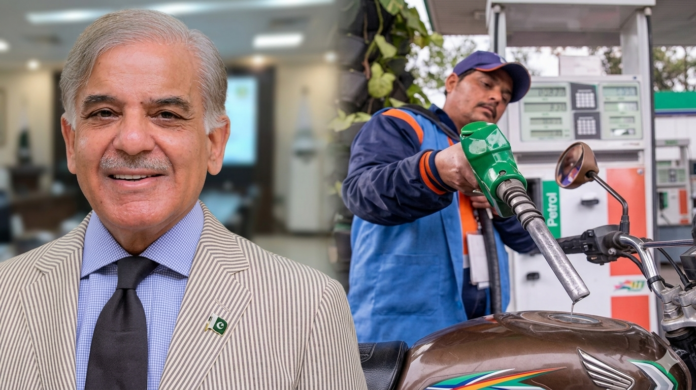

GOVERNMENT REVERSES RECORD FUEL HIKE WITH MASSIVE PRICE CUT
In a dramatic and unprecedented move, the government has announced a massive reduction of Rs. 80 per litre in petrol prices, just a day after imposing one of the highest fuel price increases in the country’s history. The sudden reversal has come as a major relief for millions of citizens who were already struggling under rising inflation and economic pressure.
The decision reflects a rapid policy shift aimed at balancing economic realities with growing public concern. Petrol prices, which had surged to an alarming Rs. 458.41 per litre, will now drop to Rs. 378 per litre starting from midnight Saturday. This sharp decline signals the government’s attempt to ease the burden on households and stabilize market sentiment.
FUEL PRICES SURGE TRIGGERED BY GLOBAL CRISIS
The initial hike in fuel prices was driven by extraordinary developments in global energy markets. Escalating geopolitical tensions disrupted oil supply chains, particularly affecting one of the world’s most crucial oil transit routes. As a result, international crude oil prices experienced a sudden spike, forcing import-dependent countries to pass on the cost to consumers.
Pakistan, heavily reliant on imported fuel, was directly impacted by these global fluctuations. The government had raised petrol prices by over Rs. 137 per litre, while diesel saw an even steeper increase of more than Rs. 184 per litre. This pushed diesel prices beyond Rs. 520 per litre, creating widespread concern across all sectors of the economy.
The surge in fuel costs had immediate ripple effects, including higher transportation expenses, increased food prices, and rising operational costs for businesses. The economic shock intensified pressure on both urban and rural populations.
GOVERNMENT RESPONDS TO PUBLIC PRESSURE WITH IMMEDIATE RELIEF
Acknowledging the severity of the situation, the government moved swiftly to introduce relief measures. The Rs. 80 per litre reduction is part of a broader strategy to cushion the economic impact on citizens while maintaining fiscal stability.
The price cut will be financed through a temporary reduction in the petroleum levy, allowing the government to provide relief without significantly disrupting its revenue streams. Officials have indicated that this adjustment will remain in place for at least one month, giving consumers temporary breathing space amid ongoing global uncertainty.
The decision came after extensive consultations with key stakeholders, including federal and provincial leadership. It reflects a coordinated effort to address public concerns and prevent further economic strain.
TARGETED SUBSIDY PROGRAMS TO SUPPORT KEY SECTORS
In addition to the petrol price reduction, the government has reaffirmed its commitment to targeted subsidy programs aimed at supporting vulnerable groups and essential sectors.
Motorbike owners, a significant portion of daily commuters, will benefit from a subsidy of Rs. 100 per litre. This support is capped at 20 litres per month and will continue for a period of three months. The initiative is designed to directly assist lower and middle-income individuals who rely on motorcycles for transportation.
Farmers, who are particularly sensitive to fuel price fluctuations, will receive financial assistance to offset increased diesel costs. A one-time payment of Rs. 1,500 per acre will be provided to help manage expenses during the harvesting season. This measure aims to protect agricultural productivity and prevent further increases in food prices.
TRANSPORT AND LOGISTICS SECTOR RECEIVES MAJOR SUPPORT
The transport sector, which plays a critical role in the country’s economy, has also been included in the relief package. Freight operators will receive monthly financial support of Rs. 70,000, while larger transport vehicles will be granted Rs. 80,000.
Public passenger buses, essential for daily commuting, will receive monthly assistance of Rs. 100,000. This move is expected to prevent fare hikes and ensure that transportation remains affordable for the general public.
Additionally, the national railway system will receive government support to maintain ticket prices at accessible levels. This is particularly important for low-income passengers who depend on rail travel for long-distance journeys.
ECONOMIC IMPLICATIONS OF THE PRICE ADJUSTMENT
The reduction in petrol prices is likely to have a positive short-term impact on inflation and consumer confidence. Lower fuel costs can help stabilize prices of essential goods and reduce transportation expenses across the supply chain.
However, experts caution that the relief may be temporary, as global oil markets remain volatile. Any further escalation in international tensions could once again drive up crude prices, forcing difficult decisions for policymakers.
The government’s approach highlights the delicate balance between managing fiscal constraints and addressing public needs. By adjusting the petroleum levy, authorities have created room for immediate relief without significantly compromising economic stability.
AUSTERITY MEASURES TO SUPPORT PUBLIC RELIEF EFFORTS
In a parallel move, the government has extended austerity measures within its own ranks. Cabinet salary reductions, initially announced for two months, have now been extended to six months. The savings generated from these cuts will be redirected toward funding public relief initiatives.
This step is intended to demonstrate a commitment to shared sacrifice and responsible governance. By reducing its own expenditures, the government aims to strengthen public trust and reinforce the credibility of its economic policies.
PUBLIC REACTION AND FUTURE OUTLOOK
The announcement of the petrol price cut has been met with widespread relief, though many citizens remain cautious about future developments. While the reduction offers immediate financial respite, concerns persist regarding long-term fuel price stability.
Businesses and consumers alike are closely monitoring global energy trends and government policies. The coming weeks will be crucial in determining whether the relief measures can sustain economic stability or if further adjustments will be required.
CONCLUSION: A STRATEGIC YET TEMPORARY RELIEF MEASURE
The Rs. 80 per litre reduction in petrol prices marks one of the most significant policy reversals in recent history. It underscores the government’s responsiveness to public pressure and its willingness to adapt in the face of rapidly changing global conditions.
While the move provides much-needed relief, it also highlights the ongoing challenges faced by an import-dependent economy. Sustainable solutions will require a combination of strategic planning, energy diversification, and continued efforts to shield citizens from external shocks.
For now, the price cut offers a moment of relief and a reminder of how quickly economic policies can shift in response to both global forces and domestic realities.
Read More
Pakistan Becomes Second Most Expensive Fuel Market After Ethiopia