

Pakistan’s Climate Crisis Is No Longer a Distant Threat
Pakistan is standing at a critical crossroads as climate change increasingly threatens its economic stability and long-term growth. Recent findings indicate that climate-related damages could rise to as much as 6 percent of the country’s gross domestic product by 2050 if decisive action is not taken today. This projection highlights not only the environmental urgency but also the economic consequences of inaction.
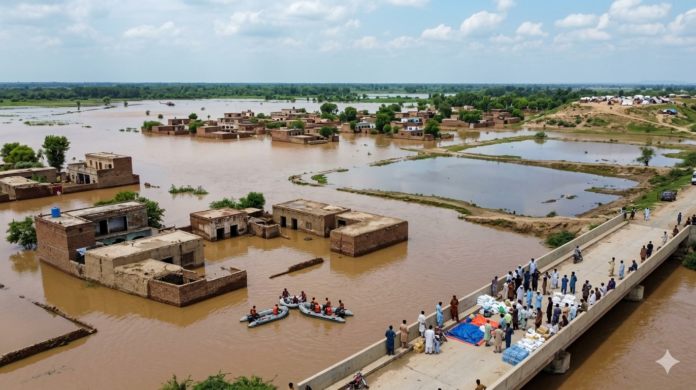
The country has already experienced the devastating effects of extreme weather events, from catastrophic floods to prolonged heatwaves and worsening water scarcity. These events are no longer isolated incidents but part of a growing pattern that is disrupting agriculture, infrastructure, and livelihoods across the nation. As these climate shocks intensify, their cumulative economic impact could significantly erode Pakistan’s development gains.
Escalating Climate Risks and Economic Consequences
The increasing frequency and severity of climate events pose a direct threat to Pakistan’s economic framework. Floods continue to damage crops, homes, and critical infrastructure, while heatwaves strain energy systems and reduce labor productivity. Water shortages further complicate agricultural output, putting food security at risk.
These interconnected challenges create a ripple effect throughout the economy. Reduced agricultural yields lead to higher food prices, strained household incomes, and increased pressure on government resources. At the same time, rebuilding after climate disasters diverts funds away from development projects, slowing economic progress.
If these patterns continue unchecked, the long-term cost could be staggering. A potential loss of 6 percent of GDP represents not just a financial statistic but a major setback for a country striving for economic stability and growth.
Solar Energy: A Powerful Yet Underutilized Opportunity
Despite facing severe climate risks, Pakistan is also uniquely positioned to benefit from renewable energy, particularly solar power. With abundant sunlight throughout the year, especially in regions like Balochistan and Sindh, the country has immense potential to generate clean and sustainable energy.
However, solar energy currently contributes only a small fraction of the national electricity mix. This gap between potential and actual utilization reflects a missed opportunity that could otherwise transform Pakistan’s energy landscape. Expanding solar power adoption could significantly reduce reliance on fossil fuels, lower greenhouse gas emissions, and cut electricity costs for consumers.
More importantly, solar energy offers a pathway toward energy independence. By harnessing its natural resources, Pakistan can reduce its dependence on imported fuels, stabilize energy prices, and strengthen overall economic resilience.
Driving Sustainable Growth Through Clean Energy Transition
Transitioning to solar energy is not just an environmental necessity but also an economic strategy. Clean energy solutions can create new industries, generate employment opportunities, and attract investment. As global markets increasingly prioritize sustainability, countries that embrace renewable energy stand to gain a competitive advantage.
Scaling up solar deployment can also improve energy access in underserved areas. Many rural communities in Pakistan still lack reliable electricity, which limits economic opportunities and quality of life. Solar solutions can bridge this gap by providing decentralized and affordable energy systems.
In agriculture, solar-powered irrigation systems can reduce dependence on costly diesel pumps, increase efficiency, and enhance productivity. This shift not only supports farmers but also contributes to food security and rural development.
Barriers Slowing Down Solar Adoption
Despite its promise, the widespread adoption of solar energy in Pakistan faces several challenges. Weak transmission and distribution infrastructure remains a major obstacle, limiting the ability to integrate renewable energy into the national grid. Frequent power losses and inefficiencies further discourage investment in the sector.
Policy uncertainty is another critical issue. Inconsistent regulations and lack of long-term planning create an unpredictable environment for investors and stakeholders. Without clear and stable policies, it becomes difficult to scale up renewable energy projects effectively.
Financial constraints also play a significant role. High upfront costs for solar installations can deter households and businesses, particularly in low-income areas. Limited access to financing options further restricts adoption, preventing the technology from reaching its full potential.
The Need for Strong Policy and Market Reforms
To unlock the true potential of solar energy, Pakistan must implement comprehensive policy reforms and strengthen market mechanisms. A clear and consistent regulatory framework is essential to build investor confidence and encourage long-term investments in renewable energy.
Improving infrastructure is equally important. Upgrading transmission and distribution systems will enable better integration of solar power and reduce energy losses. At the same time, expanding access to financing through subsidies, incentives, and innovative financial models can make solar technology more accessible to a wider population.
Public awareness and education also play a crucial role. By promoting the benefits of solar energy and providing technical support, the government can accelerate adoption and foster a culture of sustainability.
A Critical Moment for Climate Action
Pakistan’s climate challenge is both urgent and complex, but it also presents an opportunity for transformation. By prioritizing clean energy and addressing structural barriers, the country can mitigate the economic impact of climate change while building a more resilient future.
The transition to solar energy is not merely an option; it is a necessity for sustainable development. As climate risks continue to escalate, the cost of inaction will only grow higher. Taking bold steps today can help Pakistan safeguard its economy, protect its environment, and secure a more stable future for generations to come.
Conclusion: Turning Risk Into Opportunity
The warning signs are clear. Climate-related damages could significantly undermine Pakistan’s economy in the coming decades, but the path forward is equally evident. By embracing renewable energy, particularly solar power, and implementing strong policy measures, Pakistan can turn a looming crisis into an opportunity for growth and resilience.
The decisions made today will determine whether the country faces escalating losses or emerges as a leader in sustainable development. The choice is not just about protecting the environment—it is about securing economic prosperity in an increasingly uncertain world.
Read More
Bank of Punjab Teams Up with Office of AI to Drive Digital Transformation in Punjab