

Introduction
Pakistan’s defense spending has seen a notable increase in 2025, reflecting changing regional dynamics, evolving security needs, and strategic military priorities. The country’s military expenditure rose by 11 percent to reach $11.9 billion, marking a significant shift compared to previous years. This increase highlights the growing importance of defense preparedness in a region marked by geopolitical uncertainty and heightened tensions.
The rise in military spending is closely tied to developments in South Asia, particularly the escalation of tensions between Pakistan and India. Following last year’s armed confrontation, both countries have adjusted their defense strategies, leading to higher budgets and renewed focus on military modernization.
This article explores the factors behind Pakistan’s increased defense spending, its regional implications, comparisons with neighboring countries, and broader global trends in military expenditure.
Key Drivers Behind the Increase
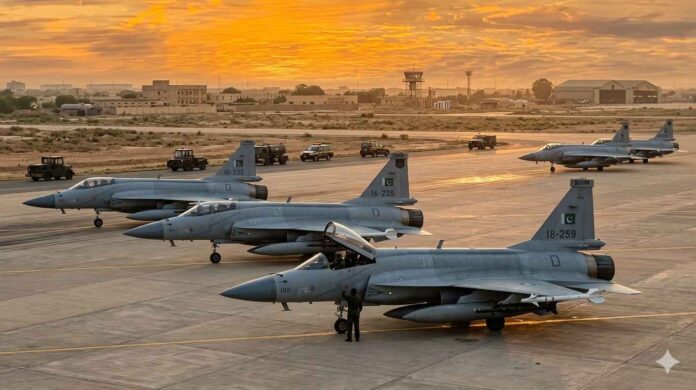
The primary factor behind the rise in Pakistan’s defense spending is the procurement of new military equipment. Following recent regional tensions, the country has placed significant orders for advanced weapons systems, including aircraft and missile technology.
These acquisitions are part of a broader effort to enhance military capabilities and ensure readiness in the face of potential threats. Modern warfare increasingly relies on advanced technology, and investing in such systems is essential for maintaining a strategic edge.
In addition to new purchases, payments for previously signed contracts have also contributed to the increase in expenditure. As these contracts move closer to completion, financial outflows have risen, adding to the overall defense budget.
Impact of Regional Tensions
Regional tensions have played a crucial role in shaping defense policies in South Asia. The conflict between Pakistan and India in 2025 served as a turning point, prompting both nations to reassess their military strategies.
For Pakistan, the confrontation underscored the importance of maintaining a strong and modern military. The experience highlighted areas where improvements were needed, leading to increased investment in defense infrastructure and capabilities.
The situation has also reinforced the need for deterrence. By strengthening its military, Pakistan aims to ensure stability and prevent future conflicts through a credible defense posture.
Military Modernization Efforts
A significant portion of the increased defense spending is directed toward modernization efforts. This includes upgrading existing systems, acquiring new technologies, and improving overall operational efficiency.
Modern military operations require advanced communication systems, precision weapons, and enhanced surveillance capabilities. Investments in these areas are critical for maintaining effectiveness in a rapidly changing security environment.
The focus on modernization also extends to training and preparedness. Ensuring that personnel are equipped with the skills needed to operate advanced systems is an essential component of defense strategy.
Comparison with India’s Defense Spending
India continues to maintain one of the largest defense budgets in the world. In 2025, its military expenditure increased by 8.9 percent, reaching $92.1 billion. This makes India one of the top military spenders globally.
The increase in India’s defense budget is also linked to regional tensions and the need to strengthen military capabilities. Following recent confrontations, India has allocated additional resources to aircraft systems, operational readiness, and personnel costs.
The disparity between the two countries’ defense budgets reflects differences in economic size and strategic priorities. However, both nations continue to prioritize military preparedness, contributing to an ongoing cycle of increased spending.
Strategic Implications for South Asia
The rise in defense spending by both Pakistan and India has significant implications for regional stability. Increased military budgets can enhance security but also raise concerns about an arms race.
In South Asia, where historical tensions remain unresolved, higher military spending can contribute to a delicate balance of power. While it may strengthen deterrence, it also increases the risk of escalation if not managed carefully.
Diplomatic efforts and confidence-building measures are essential to ensure that increased defense capabilities do not lead to further instability.
Global Military Spending Trends
Pakistan’s increase in defense spending is part of a broader global trend. Military expenditure worldwide has continued to grow, reaching nearly $2.9 trillion in 2025. This marks more than a decade of continuous growth in global defense budgets.
Over the past ten years, global military spending has increased significantly, reflecting rising geopolitical tensions and security concerns. Countries around the world are investing in their armed forces to address both traditional and emerging threats.
However, the pace of growth has slowed compared to previous years, indicating a potential shift in global economic conditions and strategic priorities.
Economic Impact of Defense Spending
Defense spending has both positive and negative implications for the economy. On one hand, it supports industries related to manufacturing, technology, and research. Investments in defense can drive innovation and create employment opportunities.
On the other hand, high military expenditure can place pressure on public finances. Resources allocated to defense are often diverted from other sectors such as education, healthcare, and infrastructure.
Balancing defense needs with economic priorities is a key challenge for policymakers. Ensuring that military spending does not hinder overall development is essential for long-term growth.
Military Spending as a Share of GDP
Globally, military expenditure represents a significant portion of economic output. In 2025, it accounted for around 2.5 percent of global GDP, reflecting the importance of defense in national budgets.
For individual countries, the share of GDP allocated to defense varies based on security needs and economic capacity. In regions with higher tensions, this share tends to be larger.
Understanding the relationship between defense spending and economic performance is crucial for evaluating its sustainability and impact.
Technological Advancements and Defense
The modern battlefield is increasingly defined by technology. From advanced aircraft to missile systems and cyber capabilities, technological innovation plays a central role in military effectiveness.
Pakistan’s increased spending reflects a recognition of this reality. By investing in modern systems, the country aims to enhance its operational capabilities and adapt to evolving threats.
Technological advancements also require continuous investment, as systems must be updated and maintained to remain effective.
Challenges and Risks
While increased defense spending can strengthen security, it also comes with challenges. One of the primary risks is the potential for escalating tensions, particularly in regions with ongoing conflicts.
Economic constraints can also pose challenges, as higher spending may strain public finances. Ensuring efficient use of resources and avoiding waste is essential to maximize the benefits of defense investments.
Additionally, maintaining transparency and accountability in defense spending is important for building public trust.
Future Outlook
Looking ahead, defense spending in Pakistan is likely to remain influenced by regional dynamics and global trends. Continued tensions and security concerns may necessitate further investment in military capabilities.
At the same time, economic considerations will play a key role in shaping future budgets. Policymakers will need to balance security needs with broader development goals.
The focus is expected to remain on modernization, technological advancement, and maintaining a credible defense posture.
Conclusion
The increase in Pakistan’s defense spending to $11.9 billion in 2025 reflects a complex interplay of regional tensions, strategic priorities, and global trends. Driven by the need for modernization and enhanced capabilities, the rise highlights the importance of maintaining security in an uncertain environment.
While higher military expenditure can strengthen defense capabilities, it also raises important questions about economic sustainability and regional stability. Balancing these factors will be crucial for ensuring long-term growth and peace.
As global military spending continues to rise, Pakistan’s defense strategy will remain a key component of its overall policy framework, shaping its role in the region and beyond.
Read More


