
Introduction
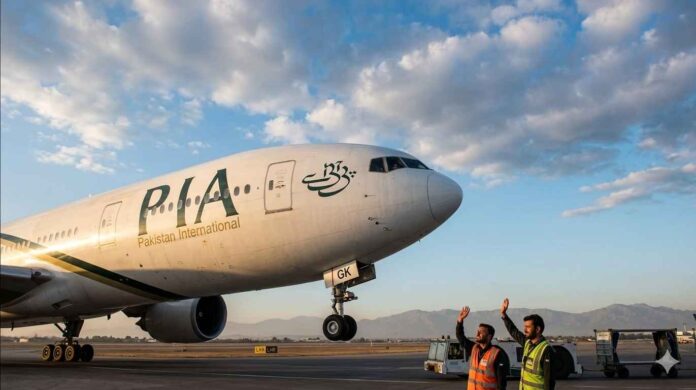
Pakistan’s aviation sector is set for a significant transformation following the approval of a major acquisition involving the national airline. The clearance of a consortium led by Arif Habib to take over Pakistan International Airlines represents a critical milestone in the country’s long-standing privatization efforts.
This development comes after a detailed review process that evaluated the competitive landscape of the aviation sector and assessed the potential impact of the transaction. The approval signals confidence in the structure of the deal and opens the door for a new phase in the airline’s operational and financial future.
The move is expected to bring much-needed reforms, improve service quality, and reduce the financial burden on the government, which has supported the airline for decades.
Overview of the Acquisition
The transaction involves the acquisition of Pakistan International Airlines through a specially created entity established by a consortium of major business groups. This entity was formed specifically to participate in the privatization process and facilitate the takeover.
The consortium emerged as the successful bidder through a competitive process, reflecting strong interest from the private sector in reviving the national airline. The structure of the deal ensures that ownership and management responsibilities are transferred to experienced corporate entities with diverse expertise.
The approval of this acquisition marks a major step forward in completing the privatization process, which has been under consideration for several years.
Privatization Strategy and Government Objectives
The privatization of the national airline is part of a broader strategy aimed at reducing the financial burden on the public sector and improving efficiency in state-owned enterprises. Over the years, the airline has faced persistent challenges, including financial losses, operational inefficiencies, and declining market share.
By transferring ownership to the private sector, the government aims to introduce better management practices, increase accountability, and enhance overall performance. Privatization is also expected to attract investment and bring in modern operational standards.
This move reflects a shift toward a more market-driven approach in managing key industries, with the goal of fostering economic growth and sustainability.
Competition Review and Approval Process
Before granting approval, the relevant authorities conducted a comprehensive review of the transaction to assess its impact on competition within the aviation sector. This review covered multiple segments, including passenger transport, cargo services, and related aviation operations.
The analysis concluded that the acquisition does not pose any significant risk to competition. The aviation market was found to be highly competitive, with multiple domestic and international players operating across key routes.
The absence of overlapping business interests between the acquiring consortium and the airline further reduced the likelihood of any anti-competitive effects. As a result, the transaction was approved under applicable regulations.
Competitive Landscape of the Aviation Sector
The aviation industry in Pakistan is characterized by strong competition, particularly on international routes. Global airlines operate extensively within the region, offering a wide range of services and competitive pricing.
Domestically, several private carriers provide alternatives to consumers, ensuring that no single airline dominates the market. This competitive environment benefits passengers by offering more choices and better service quality.
The decline in the national airline’s market share over the years has been attributed to operational challenges and increased competition. The entry of a private consortium is expected to help address these issues and restore competitiveness.
Structure of the Consortium
The acquiring consortium consists of several prominent business groups with experience across various sectors. This diversified structure brings together expertise in finance, industry, education, and real estate, creating a strong foundation for managing a complex enterprise like an airline.
The formation of a special purpose entity allows the consortium to focus specifically on the airline’s operations while maintaining flexibility in decision-making and investment strategies.
This collaborative approach is expected to enhance governance and ensure that the airline benefits from a wide range of professional insights.
Classification of the Transaction
The acquisition has been classified as a conglomerate merger, meaning that the acquiring parties do not operate in the same industry as the airline. This classification is significant because it indicates that the transaction does not involve direct competitors or create market concentration.
The lack of horizontal or vertical integration reduces the risk of anti-competitive behavior and supports a more balanced market structure. This was a key factor in the approval of the deal.
The classification also highlights the strategic nature of the investment, which focuses on diversification rather than consolidation.
Expected Benefits of Privatization
The privatization of the national airline is expected to bring several benefits. Improved operational efficiency is one of the primary objectives, as private management is likely to introduce modern practices and streamline processes.
Enhanced service quality is another anticipated outcome, with a focus on customer satisfaction and competitiveness. Investment in infrastructure, technology, and human resources can help transform the airline into a more reliable and efficient carrier.
Reducing reliance on government support is also a key benefit, as it will alleviate pressure on public finances and allow resources to be allocated to other priorities.
Impact on Consumers
For passengers, the takeover is expected to result in better service standards, improved flight reliability, and more competitive pricing. Increased efficiency and investment can lead to a more customer-focused approach.
The presence of multiple airlines in the market ensures that consumers will continue to have a range of options. The revitalization of the national airline can further enhance competition and provide additional choices.
Ultimately, the success of the privatization will be measured by its ability to deliver tangible improvements for consumers.
Challenges Ahead
While the approval of the acquisition is a positive development, significant challenges remain. The airline will need to address longstanding issues such as financial losses, outdated infrastructure, and operational inefficiencies.
Rebuilding market share and restoring public confidence will require sustained effort and investment. The new management will need to implement effective strategies to compete with established domestic and international carriers.
Regulatory compliance and adherence to industry standards will also be critical in ensuring long-term success.
Role of Regulatory Oversight
Although the transaction has been approved from a competition perspective, it remains subject to other regulatory and legal requirements. Ongoing oversight will be necessary to ensure that the transition is carried out smoothly and in accordance with applicable laws.
Regulatory authorities play a crucial role in maintaining fair competition, protecting consumer interests, and ensuring transparency in the privatization process.
Their continued involvement will help create a stable and predictable environment for the airline’s operations.
Economic Implications
The privatization of the national airline has broader economic implications. It signals a commitment to reform and can improve investor confidence in the country’s economic policies.
Successful privatization can serve as a model for other state-owned enterprises, encouraging further investment and modernization. It also contributes to economic efficiency by reallocating resources to more productive uses.
The involvement of private sector expertise can drive innovation and improve overall industry performance.
Future Outlook
The future of the national airline will depend on the ability of the new owners to implement effective reforms and adapt to changing market conditions. Strategic planning, investment, and strong leadership will be essential in achieving long-term success.
As the aviation sector continues to evolve, the airline will need to focus on innovation, efficiency, and customer satisfaction. The support of stakeholders and a favorable regulatory environment will also play a key role.
The takeover represents an opportunity to redefine the airline’s role in the industry and restore its position as a competitive player.
Conclusion
The approval of the Arif Habib-led consortium for the takeover of Pakistan International Airlines marks a significant milestone in the country’s privatization journey. It reflects a shift toward market-driven solutions and highlights the potential for private sector involvement in transforming key industries.
With a strong consortium in place and a competitive market environment, the stage is set for a new chapter in the airline’s history. While challenges remain, the opportunity for growth and improvement is substantial.
The success of this initiative will not only impact the aviation sector but also contribute to broader economic development and reform efforts.
Read More
Silkway Impex and SXIPCBZIC Sign Strategic Trade Cooperation Agreement