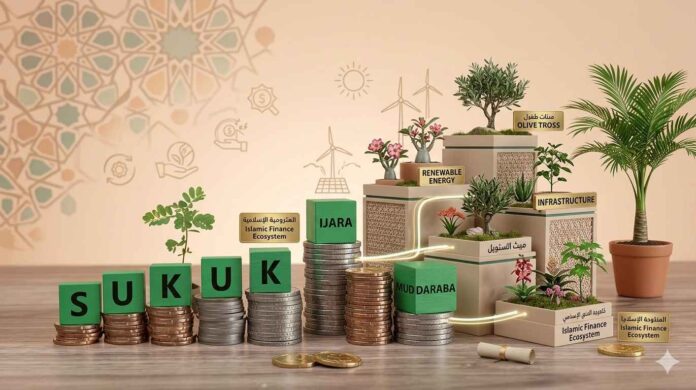

The Government of Pakistan has successfully raised Rs. 114.347 billion through its third hybrid Sukuk auction, marking another significant step in strengthening its Islamic financing strategy. The issuance, which comes amid strong investor interest, highlights the growing demand for Shariah-compliant financial instruments in the country’s capital markets. This latest auction also represents the second Sukuk issuance within the same month, signaling increased reliance on diversified funding sources to meet fiscal needs.
The successful mobilization of funds reflects not only investor confidence but also the government’s ongoing efforts to deepen the Islamic finance sector. By tapping into this market, authorities are expanding their borrowing options while aligning financial practices with a broader base of investors seeking ethical and Shariah-compliant investment opportunities.
Strong Investor Demand Drives Auction Success
One of the most notable aspects of the third hybrid Sukuk auction was the overwhelming response from investors. The auction attracted bids totaling Rs. 354.395 billion in face value, translating into a realized value of Rs. 344.716 billion. This substantial oversubscription demonstrates the strong appetite among institutional investors for government-backed Islamic instruments.
The high level of participation reflects improving liquidity conditions in the financial system. Investors are increasingly seeking stable and secure investment options, particularly in an environment characterized by economic uncertainty and fluctuating returns in other asset classes. Sukuk, being asset-backed and structured in accordance with Islamic principles, offer a compelling alternative for such investors.
The strong demand also indicates growing confidence in the government’s ability to manage its financial obligations and deliver consistent returns through structured instruments.
Role of Financial Advisors in the Sukuk Issuance
A critical component of the successful auction was the involvement of experienced financial advisors who played a central role in structuring and executing the transaction. Their expertise ensured that the Sukuk issuance was designed to meet both regulatory requirements and investor expectations.
The structuring process involved creating a hybrid instrument that combines features of both fixed and variable returns. This approach not only enhances flexibility but also broadens the appeal of the Sukuk to a diverse range of investors. By offering multiple return structures within a single issuance, the government can attract participants with different risk appetites and investment strategies.
The effective coordination between financial advisors, market participants, and regulatory bodies contributed to the smooth execution of the auction.
Auction Mechanism and Market Platform
The Sukuk auction was conducted through the Pakistan Stock Exchange on behalf of the Ministry of Finance, providing a transparent and efficient platform for investors to participate. The use of a well-established market infrastructure ensures that the process is fair, competitive, and accessible to a wide range of participants.
Conducting the auction through a formal exchange also enhances credibility and trust in the process. Investors can rely on standardized procedures, clear pricing mechanisms, and regulatory oversight, all of which contribute to a robust and reliable financial ecosystem.
This approach aligns with international best practices and supports the development of a more sophisticated capital market in Pakistan.
Pricing Details and Yield Structure
The pricing of the Sukuk reflects current market conditions and investor expectations. For the one-year fixed-rate component, the cut-off yield was set at 12.00 percent, representing an increase of 20 basis points compared to previous levels. This adjustment indicates a slight shift in market dynamics, where investors are seeking higher returns in response to prevailing economic conditions.
For the longer-term component, the 10-year variable rental rate Sukuk was priced at 11.7568 percent. This included a spread of 38.83 basis points over the reference rate of 11.3685 percent. The variable rate structure allows returns to adjust in line with market conditions, providing flexibility for both the issuer and investors.
The combination of fixed and variable pricing elements is a defining feature of hybrid Sukuk, enabling them to cater to a wide range of investment preferences.
Understanding Hybrid Sukuk Structure
Hybrid Sukuk are designed to combine the benefits of both fixed-rate and floating-rate instruments. This structure provides a balanced approach, offering predictable returns through fixed components while allowing for adaptability through variable elements.
For investors, this means greater flexibility in managing risk and return. Those seeking stability can benefit from the fixed-rate portion, while those looking for potential upside can take advantage of the variable component. This dual structure makes hybrid Sukuk particularly attractive in uncertain economic environments.
From the government’s perspective, hybrid Sukuk offer a versatile financing tool that can be tailored to market conditions and investor demand. This flexibility is essential for managing borrowing costs and ensuring sustainable fiscal management.
Growing Importance of Islamic Finance in Pakistan
The success of the hybrid Sukuk auction underscores the growing importance of Islamic finance in Pakistan’s financial landscape. Over the years, there has been a steady increase in demand for Shariah-compliant products, driven by both institutional and individual investors.
Islamic finance principles emphasize risk-sharing, asset-backed transactions, and ethical investment practices. These features make Sukuk an attractive option for investors seeking alternatives to conventional interest-based instruments.
The government’s continued use of Sukuk as a financing tool reflects its commitment to supporting the development of this sector. By expanding the range of available instruments, authorities are encouraging greater participation and fostering a more inclusive financial system.
Impact on Government Borrowing Strategy
The issuance of hybrid Sukuk is part of a broader strategy to diversify government borrowing sources. By tapping into Islamic finance markets, the government can reduce reliance on traditional funding channels and access a wider pool of investors.
This diversification helps mitigate risks associated with overdependence on a single source of financing. It also provides greater flexibility in managing debt and responding to changing economic conditions.
In addition, Sukuk issuances can contribute to more stable borrowing costs, as they attract long-term investors who are less sensitive to short-term market fluctuations.
Market Liquidity and Investor Confidence
The strong response to the Sukuk auction is also indicative of improving liquidity in the financial system. Higher liquidity levels mean that investors have more funds available for investment, which can drive demand for high-quality instruments such as government Sukuk.
Investor confidence plays a crucial role in this process. The ability of the government to successfully raise funds through multiple Sukuk issuances within a short period reflects trust in its financial management and policy direction.
This confidence is essential for maintaining a stable and efficient capital market, as it encourages continued participation and investment.
Benefits for Institutional Investors
Institutional investors, including banks, insurance companies, and pension funds, are among the primary participants in Sukuk auctions. These investors are often looking for secure, long-term investment options that provide stable returns.
Hybrid Sukuk meet these requirements by offering a combination of fixed and variable returns, backed by government assets. This makes them an attractive addition to investment portfolios, particularly for institutions that prioritize risk management and diversification.
The availability of such instruments also supports the growth of the financial sector by providing more options for asset allocation.
Future Outlook for Sukuk Market
The success of the third hybrid Sukuk auction suggests a positive outlook for the Sukuk market in Pakistan. As demand for Shariah-compliant instruments continues to grow, the government is likely to increase its use of Sukuk as a key financing tool.
Future issuances may introduce new structures and features to further enhance their appeal and meet evolving investor needs. This could include different tenors, innovative pricing mechanisms, and expanded participation opportunities.
The continued development of the Sukuk market will also depend on supportive regulatory frameworks, improved market infrastructure, and ongoing investor education.
Economic Implications of the Sukuk Issuance
The funds raised through the Sukuk auction will play an important role in supporting government expenditures and managing fiscal requirements. By securing financing through domestic markets, the government can reduce reliance on external borrowing and strengthen economic stability.
The issuance also contributes to the development of the capital market by increasing the availability of high-quality investment instruments. This, in turn, can attract more investors and enhance overall market activity.
In the long term, a मजबूत and diversified financial system can support economic growth by providing efficient mechanisms for mobilizing and allocating resources.
Conclusion
The government’s successful raising of Rs. 114 billion through the third hybrid Sukuk auction highlights the growing strength and potential of Pakistan’s Islamic finance sector. The strong investor response, competitive pricing, and innovative structure of the Sukuk demonstrate the effectiveness of this financing approach.
As the government continues to explore diversified funding options, hybrid Sukuk are likely to play an increasingly important role in its financial strategy. By combining flexibility, stability, and compliance with Islamic principles, these instruments offer a compelling solution for both issuers and investors.
The ongoing development of the Sukuk market represents a significant step toward building a more resilient and inclusive financial system, capable of supporting the country’s economic goals in the years ahead.
Read More
Attock Refinery Reports Second-Highest Profit Amid Surge in Fuel Prices