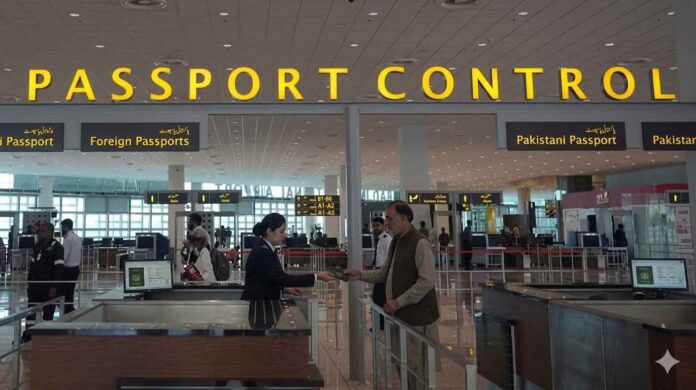

Pakistan is set to witness a major transformation in its aviation security infrastructure as a $2.4 billion investment proposal gains strong international backing. The initiative focuses on deploying advanced security technologies across major airports in the country, aiming to enhance border control, strengthen national security, and improve the overall efficiency of passenger screening systems.
This development marks a significant step toward modernizing Pakistan’s aviation sector, aligning it with global standards, and addressing evolving security challenges. With increasing passenger traffic and rising concerns over cross-border threats, the need for sophisticated and integrated security systems has become more critical than ever.
A Major Leap Toward Modern Airport Security
The proposed investment represents one of the largest upgrades to airport security infrastructure in Pakistan’s history. The project aims to introduce cutting-edge technologies that can detect potential threats in real time, enabling authorities to respond swiftly and effectively.
Modern airport security is no longer limited to physical checks and manual verification. It now relies heavily on digital systems, data analytics, and automated processes that can identify risks before they materialize. By adopting such technologies, Pakistan can significantly enhance its ability to prevent criminal activities, including smuggling, human trafficking, and terrorism-related threats.
The initiative is expected to bring a comprehensive overhaul of existing systems, replacing outdated methods with advanced, technology-driven solutions.
Introduction of Advanced Passenger Information Systems
A key component of the proposed upgrade is the implementation of advanced passenger information systems. These systems allow airlines to share critical passenger data with relevant authorities before the flight arrives or departs.
By receiving information in advance, security agencies can conduct thorough risk assessments and identify individuals who may pose a threat. This proactive approach is far more effective than traditional methods, which often rely on checks conducted only at the airport.
The integration of such systems can significantly reduce the time required for passenger processing while improving the accuracy of security checks. It also enhances coordination between different agencies involved in border management.
Passenger Name Record Systems and Their Importance
In addition to advanced passenger information systems, the proposal includes the deployment of passenger name record systems. These systems collect and analyze a wide range of data related to passenger travel, including booking details, travel history, and payment information.
This data can be used to identify patterns and detect suspicious behavior, enabling authorities to flag high-risk individuals. The use of passenger name record systems has become a standard practice in many countries, as it provides valuable insights that can enhance security measures.
By implementing these systems, Pakistan can strengthen its ability to monitor and manage international travel, ensuring that potential threats are identified and addressed promptly.
Real-Time Data Sharing and Its Impact
One of the most significant features of the proposed security upgrade is the ability to share data in real time. This means that information collected by airlines and other stakeholders can be instantly accessed by relevant authorities.
Real-time data sharing allows for quicker decision-making and more effective coordination between different agencies. It also reduces delays and improves the overall efficiency of airport operations.
For passengers, this can translate into shorter waiting times and a smoother travel experience, while for authorities, it provides a powerful tool for maintaining security and preventing illegal activities.
Ensuring Data Ownership and Sovereignty
While the introduction of advanced data systems offers numerous benefits, it also raises concerns about data privacy and control. The proposal addresses these concerns by ensuring that Pakistan retains full ownership and control of all passenger data.
This means that all information collected through the system will be managed and stored under national regulations, with strict safeguards in place to protect privacy. Maintaining data sovereignty is essential for building trust and ensuring that security measures do not compromise individual rights.
By balancing security needs with privacy considerations, the initiative aims to create a system that is both effective and responsible.
Biometric-Enabled Border Management
Another critical aspect of the proposed upgrade is the use of biometric technology for border management. Biometric systems use unique physical characteristics, such as fingerprints or facial recognition, to verify the identity of individuals.
These systems offer a higher level of accuracy compared to traditional identification methods, reducing the risk of identity fraud and enhancing overall security. Biometric verification can also speed up the processing of passengers, making airport operations more efficient.
The integration of biometric technology represents a significant advancement in border control, enabling authorities to maintain strict security standards while improving the travel experience.
Strengthening National Security
The primary objective of the investment is to strengthen national security by enhancing the country’s ability to detect and prevent threats. With advanced systems in place, authorities can identify high-risk travelers and take appropriate action before they pose a danger.
This proactive approach is essential in today’s global environment, where security challenges are becoming increasingly complex. By investing in modern technology, Pakistan can stay ahead of potential threats and ensure the safety of its citizens and visitors.
Improved airport security also contributes to broader national security goals, as it helps protect critical infrastructure and maintain public confidence.
Enhancing International Travel Standards
Upgrading airport security systems is not only important for national safety but also for meeting international standards. Countries around the world are continuously improving their aviation security measures, and aligning with these standards is essential for maintaining global connectivity.
By adopting advanced technologies and practices, Pakistan can enhance its reputation as a secure and reliable destination for international travel. This can have a positive impact on tourism, business travel, and foreign investment.
Improved security standards can also facilitate smoother cooperation with international partners, enabling more efficient information sharing and collaboration.
Economic and Operational Benefits
Beyond security improvements, the investment is expected to bring several economic and operational benefits. Modern systems can reduce inefficiencies, lower operational costs, and improve the overall performance of airport operations.
Faster processing times and reduced delays can enhance the passenger experience, making travel more convenient and attractive. This, in turn, can lead to increased passenger traffic and higher revenue for the aviation sector.
The project may also create opportunities for local employment and skill development, particularly in areas related to technology and security management.
Challenges and Implementation Considerations
While the proposed upgrade offers numerous advantages, its implementation will require careful planning and coordination. Integrating new systems with existing infrastructure can be complex, and ensuring compatibility between different technologies is essential.
Training personnel to operate advanced systems is another important consideration. Effective use of technology depends on the skills and expertise of those managing it, making capacity building a key component of the project.
Additionally, maintaining data security and addressing privacy concerns will be critical for the success of the initiative. Clear policies and robust safeguards will be needed to ensure that the system operates effectively and responsibly.
Future Outlook for Airport Security in Pakistan
The proposed investment represents a forward-looking approach to airport security, setting the stage for further advancements in the future. As technology continues to evolve, there will be opportunities to introduce even more sophisticated solutions, such as artificial intelligence and predictive analytics.
These technologies can enhance the ability to detect threats, optimize operations, and improve decision-making. By staying at the forefront of innovation, Pakistan can build a resilient and future-ready aviation security system.
The success of this initiative could also encourage further investments in infrastructure and technology, contributing to the overall development of the aviation sector.
Conclusion
The $2.4 billion investment in airport security marks a significant milestone in Pakistan’s efforts to modernize its aviation infrastructure and strengthen national security. By introducing advanced systems, real-time data sharing, and biometric technologies, the country is taking a proactive approach to addressing evolving challenges.
This initiative not only enhances safety but also improves efficiency, supports economic growth, and aligns Pakistan with global standards. As the project moves forward, its impact is expected to be felt across multiple sectors, from aviation and tourism to national security and international cooperation.
With careful implementation and ongoing commitment to innovation, Pakistan has the opportunity to transform its airport security framework and create a safer, more efficient travel environment for the future.
Read More
Pakistan Loses $1.6 Billion Yearly Due to Cross-Border Payment Gaps