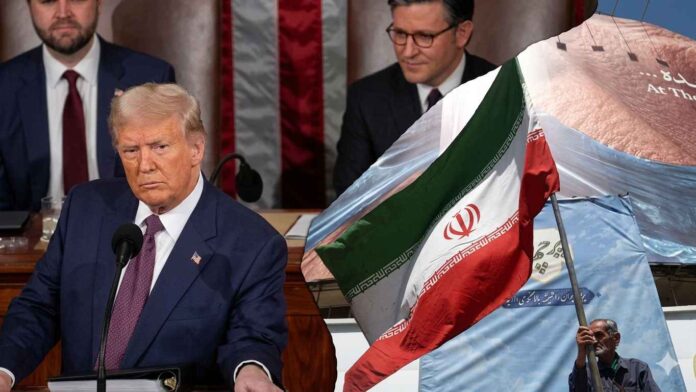

US Congress Delivers Major Setback to Trump and Israel by Voting to End Iran War
President Donald Trump suffered a significant political setback after the United States House of Representatives approved a bipartisan resolution seeking to restrict his ability to continue military operations against Iran. The vote represents one of the most serious congressional challenges to the administration’s handling of the ongoing conflict and signals growing concerns among lawmakers about the direction, duration, and consequences of the war.
The resolution passed by a narrow margin of 215 to 208, with several Republican lawmakers joining Democrats in support of the measure. The outcome highlights deepening divisions within Washington over the military campaign and raises fresh questions about the balance of power between Congress and the president when it comes to authorizing and sustaining military action abroad.
The vote comes as the conflict with Iran enters its fourth month, a period marked by escalating military activity, rising costs, growing international concern, and increasing political pressure on the White House. While the resolution does not immediately end military operations, it sends a powerful political message and places additional scrutiny on the administration’s war strategy.
Growing Congressional Opposition to the Iran War
The approval of the resolution reflects a significant shift in attitudes within Congress. While many lawmakers initially supported efforts to confront Iran, concerns have steadily increased as the conflict has expanded and the prospects for a quick resolution have diminished.
Members of Congress from both parties have expressed worries about the long-term implications of continued military engagement. Critics argue that the administration has not provided a clear roadmap for achieving its objectives and has failed to adequately explain how and when the conflict might end.
Many lawmakers believe that military operations of this scale require broader congressional oversight and accountability. The resolution is therefore being viewed not only as a response to the Iran conflict but also as a broader effort to reassert Congress’s constitutional role in decisions involving war and military action.
The vote demonstrates that concerns over the conflict are no longer limited to one political party. Instead, opposition has begun to emerge across ideological lines, creating an unusual coalition of lawmakers who share concerns about the direction of American foreign policy.
Republican Frustration Becomes Increasingly Visible
One of the most notable aspects of the vote was the support it received from several Republican lawmakers. Their decision to break ranks with the administration reflects growing frustration among some members of the president’s own party.
Republican critics have raised concerns about the prolonged nature of the conflict and the absence of a clearly defined endgame. Some lawmakers fear that the war could evolve into a lengthy and costly military engagement with uncertain outcomes.
Others worry about the potential political consequences of supporting a conflict that may become increasingly unpopular with voters. As economic concerns and domestic priorities continue to dominate public debate, many elected officials are becoming more cautious about endorsing an open-ended military campaign overseas.
The vote highlights the challenges facing Republican leadership as it attempts to maintain party unity while addressing growing concerns among members who believe Congress should play a larger role in shaping national security decisions.
War Powers Debate Returns to the Center of American Politics
At the heart of the controversy is the long-running debate over presidential war powers and congressional authority. The resolution was introduced under legislation designed to ensure congressional oversight of military engagements.
Supporters of the measure argue that Congress has a constitutional responsibility to authorize major military conflicts and to monitor ongoing operations. They contend that allowing presidents to conduct extended military campaigns without sufficient oversight undermines democratic accountability.
The debate over war powers has surfaced repeatedly throughout modern American history. Successive administrations from both political parties have faced criticism for expanding military operations without obtaining explicit authorization from Congress.
Advocates of stronger congressional oversight believe the current conflict with Iran represents another example of why legislative involvement remains essential. They argue that decisions involving war, national security, and military commitments should not be concentrated solely within the executive branch.
The vote therefore represents more than a reaction to a specific conflict. It also reflects broader concerns about constitutional checks and balances and the distribution of authority within the federal government.
Political Implications for Donald Trump
The House vote arrives at a politically sensitive moment for President Trump. As the administration seeks to defend its foreign policy record, the bipartisan nature of the resolution underscores growing skepticism regarding the management of the conflict.
Political analysts view the vote as a symbolic setback because it reveals cracks in the coalition that has traditionally supported the president’s national security agenda. While the administration retains significant backing among Republican lawmakers, the willingness of some members to support the resolution suggests increasing discomfort with the current strategy.
The vote may also influence public perceptions of the administration’s handling of foreign affairs. Military conflicts often become politically challenging when they extend beyond initial expectations, particularly when costs rise and clear victories remain elusive.
For Trump, maintaining support within both Congress and the broader electorate will be critical as debates over national security, defense spending, and foreign policy continue to shape the political landscape.
Impact on US-Israel Relations
The congressional vote is also being closely watched in the context of America’s relationship with Israel. The administration’s approach toward Iran has been viewed as closely aligned with Israeli security concerns, particularly regarding regional stability and the threat posed by Iranian influence in the Middle East.
Any effort to limit military operations could have broader implications for regional dynamics. Supporters of continued pressure on Iran argue that military action serves as a deterrent against potential threats and strengthens the security position of American allies.
However, critics contend that prolonged conflict risks creating greater instability and could ultimately complicate diplomatic and strategic objectives across the region. They argue that sustainable security requires a combination of military preparedness, diplomacy, and international cooperation.
The House vote therefore carries significance beyond domestic politics, as policymakers and international observers assess how future developments may affect regional alliances and security arrangements.
Senate Faces Difficult Decision
Following its passage in the House, the resolution now moves to the Senate, where its future remains uncertain. Senate lawmakers are expected to engage in extensive debate over both the legal and political implications of the measure.
Supporters will likely emphasize the need for congressional oversight and accountability, while opponents are expected to argue that limiting presidential authority during an ongoing conflict could undermine military effectiveness and national security.
The Senate vote will be closely monitored because it may provide insight into the broader level of support for the administration’s strategy. A successful vote in the upper chamber would represent an even more significant challenge to the White House and could intensify pressure for policy adjustments.
Even if the resolution advances, questions remain about its practical impact. Legal experts continue to debate the extent to which Congress can compel a president to alter or terminate military operations through legislative action.
Constitutional Questions Remain Unresolved
One of the central issues raised by the resolution is whether Congress possesses sufficient authority to force changes in ongoing military engagements. Constitutional scholars have long debated the division of powers between Congress and the executive branch in matters of war.
Supporters of congressional intervention point to constitutional provisions granting lawmakers authority over declarations of war and military funding. They argue that these powers provide Congress with significant leverage over military policy.
Opponents maintain that presidents possess broad authority as commander in chief and must retain flexibility to respond to evolving security threats. They argue that excessive restrictions could hinder the government’s ability to protect national interests.
Because these questions remain unresolved, legal disputes often accompany major disagreements over military policy. The current debate surrounding Iran is likely to add another chapter to the ongoing discussion about executive power and constitutional governance.
Trump Administration Defends Its Position
The administration has consistently defended its authority to conduct military operations and has argued that attempts to restrict presidential war powers are unconstitutional.
Officials maintain that the president must be able to act decisively in response to threats and emerging security challenges. They contend that military operations against Iran are necessary to protect American interests and maintain regional stability.
Administration supporters also argue that congressional efforts to limit military authority could send the wrong message to adversaries and weaken America’s strategic position. They believe that national security decisions require flexibility and rapid response capabilities that could be undermined by legislative constraints.
Despite these arguments, growing concern among lawmakers suggests that debates over the conflict are unlikely to fade in the coming months.
What Happens Next?
The future of the resolution remains uncertain, but its passage in the House has already achieved one important objective: it has intensified national debate over the Iran conflict and the limits of presidential power.
As the Senate prepares to consider the measure, lawmakers, analysts, and voters will closely examine the administration’s strategy and its prospects for achieving long-term objectives. The outcome could shape not only the future of the conflict but also broader discussions about American foreign policy and constitutional authority.
Regardless of whether the resolution ultimately becomes law, the House vote represents a significant political moment. It highlights growing bipartisan concerns about the direction of the Iran war, exposes divisions within the president’s own party, and reopens fundamental questions about who should control decisions involving military action.
For President Trump, the vote serves as a reminder that even in matters of national security, congressional support cannot be taken for granted. As the conflict continues and political pressure mounts, the debate over America’s role in the Middle East is likely to remain at the forefront of national and international attention.
Read More
Government to End Funding for Most Provincial Development Projec