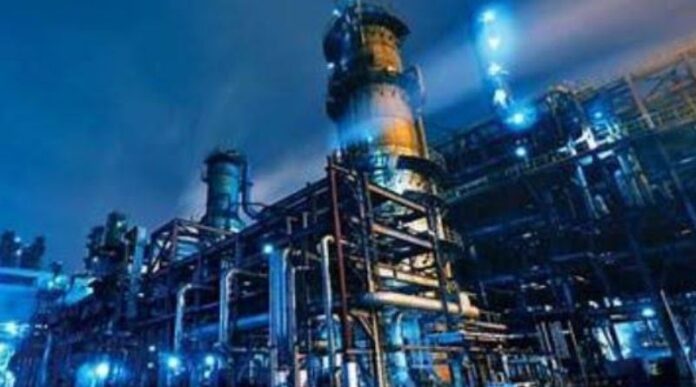

Pakistan’s long-awaited plan to modernize its existing oil refineries has finally taken an important step forward. After years of delays, discussions, policy problems, and uncertainty, the government has approved changes that could now open the way for major investment in the country’s refining sector.
The new direction is expected to bring around $6 billion in investment into the modernization of five existing refineries. The main goal is to increase local production of petrol and diesel, improve fuel quality, reduce furnace oil production, and lower Pakistan’s dependence on imported petroleum products.
For Pakistan, this is more than just an industrial project. The country spends a large amount of foreign exchange on importing petroleum products. A stronger local refining industry could help reduce that pressure while also making the energy supply more secure.
A Long-Delayed Plan Finally Gets Moving
Pakistan’s refinery modernization plan has been under discussion for several years. The Brownfield Refining Policy was introduced to encourage existing refineries to upgrade their old plants, add modern equipment, and produce better-quality fuels.
However, the policy could not move ahead as planned because of several issues involving taxes, regulations, investment protection, and agreements between refineries and regulators. Government officials and refinery companies continued discussions, but actual progress remained slow.
In July 2026, the situation finally started to change. The Cabinet Committee on Energy approved proposed amendments to the Pakistan Oil Refining Policy 2023. Prime Minister Shehbaz Sharif also stressed that refinery upgrades should be treated as an important part of Pakistan’s energy security plan.
The government has now made it clear that the process should not face unnecessary delays. The aim is to move from policy discussions to actual projects and investment.
Why Pakistan Needs Modern Refineries
Pakistan’s existing refineries play an important role in supplying fuel to the local market, but many plants need major upgrades. Older refinery technology can produce a large amount of low-value furnace oil while producing less petrol and diesel than modern facilities.
At the same time, demand for transport fuels continues to remain important for the economy. Cars, motorcycles, trucks, buses, agriculture machinery, factories, and other businesses all depend on petroleum products.
Modernizing refineries can help Pakistan produce more useful fuels from the same crude oil. Instead of producing large quantities of furnace oil, upgraded plants can focus more on petrol, high-speed diesel, and other higher-value products.
The government’s policy is also focused on cleaner fuel. The upgraded refineries are expected to produce fuels that meet Euro-V standards, which have lower harmful emissions compared with older fuel standards.
Five Refineries Are Expected to Benefit
The Brownfield policy covers Pakistan’s five existing major refineries. These include Pakistan Refinery Limited, National Refinery Limited, Attock Refinery Limited, Pak-Arab Refinery Company, and Cnergyico.
The policy encourages these companies to upgrade, modernize, or expand their plants. The planned improvements are expected to increase petrol and diesel production while reducing furnace oil output.
Government policy documents show that the upgrades could bring major changes to production capacity and product quality. The exact numbers can change after detailed engineering studies, but the overall direction is clear: Pakistan wants its refineries to produce more petrol and diesel and less low-value furnace oil.
Petrol and Diesel Production Could Rise
One of the biggest benefits of the modernization program will be higher local production of petrol and diesel.
According to reports on the approved policy, the upgrades could increase petrol production by around 72 percent and high-speed diesel output by about 39 percent. At the same time, furnace oil production could fall by around 63 percent.
These changes could have a major impact on Pakistan’s fuel market.
When local refineries produce more petrol and diesel, the country may need to import less of these products. This can help save foreign exchange and reduce pressure on the country’s import bill.
It does not mean Pakistan will completely stop importing fuel. The country will still need crude oil and some refined petroleum products. However, increasing local refining capacity can make the overall system stronger and less dependent on outside supplies.
Cleaner Fuel for Consumers
Another major part of the modernization program is improving fuel quality.
The government wants upgraded refineries to produce Euro-V standard petrol and diesel. Cleaner fuel can help reduce harmful emissions from vehicles and improve air quality.
Fuel quality also matters for modern vehicles. Better-quality fuel can support smoother engine performance and reduce some problems caused by lower-quality products.
The Petroleum Division has said that refinery upgrades are important for producing cleaner Euro-V fuels and improving environmental outcomes.
For Pakistani consumers, this could become an important change over time. As newer vehicles enter the market, better fuel standards will also become more important.
Reducing Dependence on Imported Fuel
Pakistan has faced foreign exchange pressure for many years. Petroleum imports are one of the major areas where the country spends dollars.
When international oil prices rise, the cost of importing crude oil and finished petroleum products also increases. This can put pressure on the country’s foreign exchange reserves and affect fuel prices.
A stronger domestic refining industry cannot remove this problem completely, because Pakistan still needs imported crude oil. However, producing more finished fuel inside the country can reduce the need to buy certain refined products from abroad.
This is one reason the government considers refinery modernization a part of national energy security.
Prime Minister Shehbaz Sharif has said modern refineries can help meet Pakistan’s growing energy needs, reduce dependence on imported fuels, and support the production of more environment-friendly fuels.
Investment of Around $6 Billion
The modernization program could attract roughly $6 billion in investment.
This is a very large amount for Pakistan’s industrial sector. If the planned projects move ahead successfully, they could create business opportunities for engineering companies, construction firms, equipment suppliers, financial institutions, and other supporting industries.
Large refinery projects also require skilled workers during construction and operation. This means the program could create direct and indirect employment.
The investment could also send a positive message to international investors. Successful implementation would show that Pakistan can provide a stable policy environment for large industrial projects.
The government has therefore been working on measures to provide investors with more confidence and protect long-term projects from sudden policy changes.
Tax Issues Were a Major Problem
One of the biggest reasons behind the delay was the tax structure connected with refinery upgrades.
Government officials and refinery companies had been discussing how tax treatment would affect the financial viability of these large projects. The Petroleum Division previously identified the exemption of sales tax on petroleum products as an important issue affecting refinery upgrade plans.
National Refinery Limited also reported that changes in the sales tax status of major petroleum products had affected its upgrade plans and contributed to delays in implementing the Brownfield policy.
These issues show why refinery modernization is not simply a matter of installing new machines. Large projects need clear rules, stable taxes, financing arrangements, regulatory approvals, and long-term confidence.
Government Wants Faster Implementation
The government is now pushing for faster implementation.
In July 2026, the Prime Minister directed ministries and relevant institutions to speed up the reform process. He also called for better coordination among stakeholders so that the policy could be implemented without unnecessary delays.
The government also plans to promote the amended refining policy in Gulf countries such as Qatar and Saudi Arabia. The purpose is to attract investment and encourage international partners to participate in Pakistan’s refinery sector.
This could be important because major refinery projects require large amounts of capital. International investment and financing can help local companies complete projects that may otherwise take much longer.
Pakistan Refinery Is Already Working on Its Upgrade
Pakistan Refinery Limited is one example of a company already moving ahead with a major modernization plan.
Its Refinery Expansion and Upgrade Project aims to increase crude processing capacity from 50,000 barrels per day to 100,000 barrels per day. The project also aims to move the refinery toward deep-conversion technology and increase production of cleaner fuels.
The company says the project is designed to increase middle-distillate production and eliminate furnace oil output. One of the key technologies being considered is a Residue Fluidised Catalytic Cracker, which can help convert lower-value refinery material into more valuable products.
This type of technology is important because it allows refineries to get more useful products from crude oil instead of leaving a large share as furnace oil.
National Refinery Also Plans a Major Upgrade
National Refinery Limited is another major company preparing for modernization.
The company has estimated that its planned brownfield upgrade could cost between $400 million and $1.2 billion. It has also appointed engineering consultancy Wood to work on a feasibility study and prepare the technical plan for the project.
The planned upgrade is expected to help NRL produce Euro-V compliant fuels while reducing furnace oil production.
The project is expected to take several years after the policy is fully implemented. This means Pakistan should not expect the benefits of the modernization program overnight.
The Benefits Will Take Time
Although the policy has now moved forward, refinery modernization is a long process.
Large refinery projects require feasibility studies, engineering design, financing, equipment purchases, construction, testing, and final commissioning. Each stage can take months or even years.
The Oil and Gas Regulatory Authority has also outlined the need for technical monitoring of upgrade projects, including checking project milestones, engineering work, procurement, construction, testing, and commissioning.
This means the government must continue monitoring the program even after approving the policy.
The real success will come when the announced investments turn into construction activity and, later, upgraded refineries start producing more petrol and diesel.
Stronger Energy Security
Pakistan’s energy system is closely linked with its economy. Any major disruption in fuel supplies can affect transport, agriculture, industry, electricity generation, and daily life.
Modern local refineries can provide an extra layer of protection.
The government has also directed authorities to increase strategic petroleum reserves. Larger reserves, combined with stronger local refining capacity, could help Pakistan deal better with international supply disruptions and sudden changes in global oil markets.
Recent international tensions have also highlighted the risks of depending too heavily on external supply chains. This has made domestic energy capacity even more important.
What This Means for Pakistan’s Economy
If the modernization program is completed successfully, its impact could go beyond the oil industry.
Higher local fuel production could reduce some petroleum imports and help save foreign exchange. New investment could support jobs and local businesses. Better fuel quality could help reduce pollution. More efficient refineries could improve the overall performance of the energy sector.
The government also hopes that a modern refining industry will improve investor confidence.
However, these benefits will depend on consistent government policies. Refinery companies need to know that the rules will remain stable for the long period required to recover billions of dollars in investment.
A New Opportunity for the Refining Sector
Pakistan has now reached an important stage in its refinery modernization journey.
For years, the Brownfield Refining Policy remained stuck between government decisions, industry concerns, tax issues, and regulatory questions. The recent approval of amendments has created a new opportunity to move these projects ahead.
The government’s target is ambitious: attract around $6 billion, modernize five existing refineries, increase petrol and diesel production, reduce furnace oil output, and introduce cleaner fuel standards.
The next challenge will be implementation.
Approving a policy is only the first step. Pakistan will need strong coordination between the government, refineries, OGRA, financial institutions, investors, and other stakeholders.
If the process remains on track, the country could gradually develop a more modern and efficient refining sector.
Final Thoughts
Pakistan’s refinery modernization program has finally moved beyond years of delays and entered a more practical stage. The approval of the revised Brownfield Refining Policy could unlock billions of dollars in investment and give existing refineries the support needed to upgrade their plants.
The expected results are significant: more petrol and diesel, less furnace oil, cleaner Euro-V fuel, better refining technology, stronger energy security, and lower dependence on imported refined petroleum products.
But the journey is not over. The government must now make sure that the policy is implemented quickly and fairly. Investors need stable rules, while refinery companies need clear agreements and financing support.
If these challenges are handled properly, refinery modernization could become one of Pakistan’s most important industrial projects in the coming years. It could strengthen the country’s energy system, support economic activity, create jobs, and reduce some of the pressure caused by fuel imports.
For a country that has struggled with energy security and foreign exchange pressures, modernizing its refineries is not just an industrial upgrade. It is a major step toward building a stronger and more reliable energy future.
Read Also: Check