
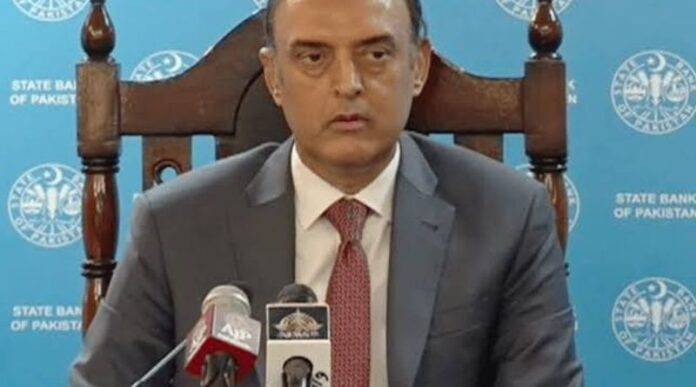

Pakistan’s monetary policy has entered the new financial year with no change in the key interest rate. The State Bank of Pakistan (SBP) has decided to keep its policy rate at 11.5 percent, choosing to maintain the existing position as the country starts Fiscal Year 2026-27 (FY27).
The decision was announced at the Monetary Policy Committee (MPC) meeting held on July 27, 2026. The move was widely expected by market experts, who were watching inflation, global oil prices, the external account and the overall economic situation before the meeting. The SBP’s official monetary policy calendar confirms that the July 27 meeting was the first scheduled MPC meeting of FY27.
For businesses, investors, borrowers and ordinary people, the decision means that borrowing costs are likely to remain broadly where they are for now. At the same time, the decision shows that the central bank wants to carefully watch economic developments before making another move.
SBP Maintains the 11.5 Percent Policy Rate
The SBP has kept the policy rate at 11.5 percent. This is an important rate because it affects the cost of borrowing across the economy. Commercial banks use the central bank’s policy direction when setting lending rates for businesses and customers.
The SBP uses the policy rate as its main monetary policy tool. Changes in this rate can influence borrowing, investment, spending and economic activity. The central bank also uses other tools, including open market operations and reserve requirements, to manage money and liquidity in the financial system.
By leaving the rate unchanged, the SBP has decided that the current level is suitable for the economic conditions at the start of FY27.
The decision does not mean that the central bank has closed the door on future rate cuts. Instead, it suggests that policymakers want to see more information before taking the next step.
Why the Decision Matters
Interest rates have a major effect on Pakistan’s economy. When rates are high, taking loans becomes more expensive. Businesses may delay expansion plans, while consumers may avoid borrowing for houses, cars and other large purchases.
On the other hand, lower interest rates can make borrowing cheaper. This can encourage companies to invest, increase production and create jobs. It can also support consumer spending.
However, cutting rates too quickly can create other problems if inflation remains high or external pressures increase. This is one reason why the SBP has to balance economic growth with price stability.
The central bank’s main objective is to maintain domestic price stability while also supporting financial stability and the broader economy.
Inflation Remains an Important Concern
Inflation continues to be one of the biggest issues for monetary policymakers. Higher prices reduce the purchasing power of ordinary Pakistanis and increase the cost of running a business.
The SBP has to look at both current inflation and the expected direction of prices. If inflation starts moving higher, the central bank may become more careful about reducing interest rates.
Recent economic conditions have also been affected by changes in global energy prices and regional developments. These factors can quickly influence Pakistan because the country depends heavily on imported fuel and other goods.
For households, a rise in fuel prices can increase transport costs and push up the prices of many other products. For businesses, higher fuel and energy costs can increase production and delivery expenses.
This makes the inflation outlook an important factor in the SBP’s decisions.
The Rate Has Already Fallen Significantly
The current policy rate is much lower than the extremely high levels Pakistan faced in earlier years. The country previously went through a period of very high inflation and strong pressure on its external accounts.
The SBP later reduced interest rates as inflation pressures eased and economic conditions improved. However, the central bank has also shown that it is willing to pause when new risks appear.
In June 2026, the SBP also kept the policy rate unchanged at 11.5 percent. At that time, the MPC noted that global oil prices had come down from their earlier levels but were still higher than before the regional conflict. It also pointed to higher inflation and some signs of slower economic activity.
The July decision therefore continues the same policy direction into FY27.
Businesses Still Want Cheaper Loans
The business community is closely watching interest rates because financing costs remain an important part of business expenses.
Manufacturers, exporters, traders and other companies often need bank loans to purchase machinery, increase production, buy raw materials or manage working capital. When borrowing costs remain high, companies may find it difficult to expand.
For small and medium-sized businesses, the impact can be even stronger. Many smaller companies depend on bank financing to manage their daily operations.
A future reduction in the policy rate could provide some relief to these businesses. Lower rates could reduce financing costs and make new investment more attractive.
However, businesses also understand that the SBP cannot focus only on lower borrowing costs. Inflation, the rupee, foreign exchange reserves and other economic risks also need to be considered.
Impact on Borrowers
For people who already have loans linked to market interest rates, the unchanged policy rate means there may not be an immediate reduction in their borrowing costs.
Those planning to take new loans may also continue to face relatively expensive financing. This includes business loans, personal financing and other forms of borrowing.
The impact on each borrower can be different because commercial banks set their own lending rates based on several factors. Still, the central bank’s policy rate remains an important signal for the overall direction of borrowing costs.
If the SBP cuts the policy rate in the coming months, borrowers could potentially benefit from lower financing costs. But such a move would depend on inflation and other economic conditions.
What It Means for Savers
The decision also matters for people who keep their money in bank deposits and savings products.
When interest rates are high, depositors can generally receive better returns on certain savings and fixed-income products. If rates fall, returns on new deposits may also come down over time.
Therefore, the unchanged policy rate can provide some stability for savers who are earning returns linked to market rates.
However, deposit rates vary from bank to bank and from one product to another. People should therefore compare available options instead of assuming that every bank offers the same return.
Pakistan’s External Position Is Also Important
The country’s external position remains another major factor for monetary policy.
Pakistan needs foreign exchange to pay for imports, including fuel, machinery and industrial goods. At the same time, the country needs strong exports and foreign investment to improve its external position.
The SBP also monitors foreign exchange reserves and conditions in the currency market. According to SBP data available around the July policy meeting, the central bank’s foreign exchange reserves were above $17 billion, while total liquid reserves including commercial banks were above $22 billion.
A stable external position can give policymakers more room to support economic activity. But pressure on reserves or the currency can make monetary policy more difficult.
Global Oil Prices Can Change the Picture
Oil prices are especially important for Pakistan. The country imports a large amount of fuel, so changes in international oil prices can directly affect the local economy.
When oil becomes more expensive, Pakistan has to spend more on imports. Higher fuel prices can also increase transportation and production costs.
On the other hand, lower oil prices can reduce pressure on inflation and the country’s import bill.
Recent reports have pointed to a decline in global oil prices after earlier geopolitical tensions eased. This has improved expectations about Pakistan’s inflation outlook, although risks remain.
This means future SBP decisions could depend heavily on what happens to global energy prices in the coming months.
Market Expectations for Future Rate Cuts
Although the SBP has kept the rate unchanged, some market participants continue to expect a possible reduction later in FY27.
One recent market assessment suggested that Pakistan’s inflation outlook had improved and that a rate cut could become possible in September if conditions remain supportive. The same assessment expected FY27 inflation to average around 7 to 7.5 percent.
However, these are market expectations rather than an official promise from the SBP.
The central bank will make its decisions based on the latest economic data available at each MPC meeting. Inflation, economic growth, exchange-rate conditions, oil prices, reserves and other risks will all matter.
A Careful Start to FY27
The decision to keep the policy rate unchanged gives FY27 a steady start. Instead of making another immediate adjustment, the SBP has chosen to wait and watch.
This approach may help the central bank understand whether recent improvements in some areas of the economy are sustainable.
For businesses, the decision provides some certainty because there is no sudden increase in borrowing costs. However, companies that were hoping for cheaper financing will have to wait longer.
For consumers, there is also no immediate relief from high borrowing costs. At the same time, savers may welcome the stability in interest rates.
What Could Happen Next?
The next few monetary policy meetings will be important for Pakistan’s economy. The SBP has already published its FY27 meeting schedule, with the next MPC meeting planned for September 14, 2026. Further meetings are scheduled for October, December and January, followed by additional meetings during the rest of the financial year.
The September meeting could receive particular attention if inflation continues to improve and global oil prices remain under control.
If price pressures become weaker and economic conditions remain stable, the SBP could have more room to reduce rates. But if inflation rises again, the rupee comes under pressure or global energy prices increase sharply, policymakers may prefer to keep rates unchanged for longer.
What This Means for Pakistan’s Economy
The unchanged rate is neither clearly good nor bad for everyone. Its impact depends on a person’s or company’s position.
Borrowers generally prefer lower rates because they reduce financing costs. Businesses also want affordable loans so they can invest and expand. Savers, however, often benefit from higher interest rates on deposits.
For the wider economy, the most important goal is balance. Pakistan needs enough economic activity to create jobs and support businesses, but it also needs stable prices and a strong external position.
The SBP therefore has to move carefully.
Conclusion
The State Bank of Pakistan has started FY27 by keeping its policy interest rate unchanged at 11.5 percent. The decision continues the monetary policy position maintained in June and shows that the central bank is taking a careful approach toward the country’s economic outlook.
The decision comes at a time when Pakistan is dealing with several important economic factors, including inflation, energy prices, exchange-rate conditions and external financing needs.
For businesses and borrowers, the unchanged rate means financing costs are unlikely to fall immediately. For savers, it provides some stability in returns. For policymakers, the pause gives them more time to study incoming economic data before deciding whether another rate cut is suitable.
The coming months will be important. If inflation continues to remain under control and global risks become less serious, expectations for lower interest rates could increase. But if new pressures appear, the SBP may continue with its cautious approach.
For now, the message from the central bank is clear: the policy rate will stay at 11.5 percent as Pakistan begins FY27, while policymakers continue to watch the economy closely.
Read Also: check


