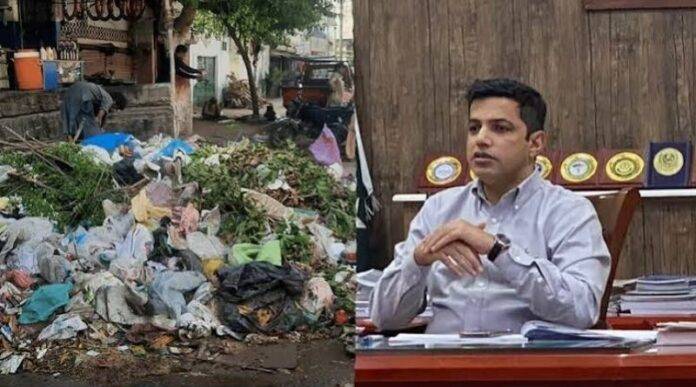

The Capital Development Authority (CDA) has approved a new and more organised waste management system for the rural areas of Islamabad. The decision comes at a time when recent heavy rains and flooding in the Rawalpindi area have again raised concerns about poor drainage, garbage dumping and weak city management in the twin cities.
Under the new plan, the CDA will bring a proper solid waste collection and disposal system to 65 Union Councils located in Zones IV and V of Islamabad. The authority plans to collect and manage around 342 tonnes of waste every day through a modern system that will cover everything from household collection to transportation and final disposal.
The new initiative is being seen as an important step for Islamabad’s rural communities, where regular garbage collection has remained a major issue for many years. Unlike many developed sectors of the capital, several rural areas have not had a proper waste collection network. As a result, people have often been forced to throw household waste in open spaces, empty plots and drainage channels.
The CDA now wants to change this situation by introducing a system based on regular collection, better supervision and the use of modern technology.
New System to Cover 65 Rural Union Councils
One of the biggest parts of the new plan is its wide coverage. The waste management programme will cover 65 Union Councils in Zones IV and V. These areas form a major part of rural Islamabad and include communities that have long faced problems with sanitation and garbage collection.
According to the plan, each Union Council and collection area will have its own working arrangements. Teams, vehicles and workers will be assigned according to the needs of different locations. This means that waste collection will no longer depend only on general or irregular arrangements.
The CDA plans to create proper routes for collection vehicles so that garbage can be picked up on time and transported to designated disposal facilities. The system will also connect collection, transportation, transfer operations and final disposal in one chain.
The aim is to make the waste process more organised from the moment garbage leaves a home until it reaches its final destination.
More Than 1,600 Workers to Be Deployed
To operate the new system, the CDA plans to use 1,610 workers along with 103 types of machinery and equipment. These workers will be responsible for sanitation, garbage collection and other field activities across the covered areas.
The large workforce is expected to help the authority maintain regular services in areas where waste collection has previously been limited or unavailable.
The use of different types of machinery is also important because rural Islamabad has both open and densely populated areas. Some streets are wide enough for regular collection vehicles, while others are narrow and difficult to access.
For such locations, the CDA plans to use smaller vehicles and hand carts. Mini tippers will be used in areas where large garbage trucks cannot easily move, while hand carts will help workers collect waste from narrow streets and difficult locations.
This approach could make the system more useful for communities that have not been properly served by traditional garbage collection methods.
Door-to-Door Garbage Collection Planned
Another major feature of the project is door-to-door waste collection. The service is planned for areas including Bani Gala, Ghouri Town and Lehtrar.
Under this approach, residents will not have to take their household garbage to distant dumping points. Instead, collection teams will visit homes according to planned routes and schedules.
Door-to-door collection can also reduce the amount of waste thrown into open areas. When residents have an easy and regular way to dispose of their household garbage, there is less reason to use roadsides, empty land or drainage channels as dumping places.
The CDA intends to expand the organised approach across the selected rural Union Councils so that waste collection becomes a normal municipal service rather than an occasional activity.
Technology Will Monitor Garbage Collection
The new system will not only depend on workers and vehicles. The CDA also plans to use technology to monitor daily field operations.
GPS tracking will be used to keep an eye on garbage collection and transportation routes. This will help officials know whether vehicles are following their assigned routes and whether collection work is being carried out properly.
Route planning will also be improved according to local requirements. Instead of using the same type of route plan everywhere, the CDA will prepare routes based on the size of communities, road conditions and waste needs.
The authority will also establish a central command and control system. This centre will help officials monitor field operations and respond to problems.
Daily performance reports will be prepared to check whether teams are completing their assigned work. Digital attendance and facial monitoring will also be used to improve staff supervision.
The CDA further plans to connect the system with the Safe City system. This combination of technology is expected to give authorities better information about field activities and help them deal with complaints more quickly.
Why Better Waste Management Is Important
Garbage collection is not only a cleanliness issue. Poor waste management can create problems for roads, drains, public spaces and the wider environment.
When plastic bags, household waste and other rubbish are thrown into drainage channels, the waste can block the flow of rainwater. During heavy rainfall, blocked drains and channels can make flooding worse.
This issue has become particularly important after the recent monsoon flooding in Rawalpindi. Heavy rain led to serious urban flooding, damaged infrastructure and caused loss of lives. The situation once again showed how important proper drainage and waste management are for cities in the region.
Although flooding has many causes, unmanaged waste can add to the problem when garbage enters drains and water channels. For this reason, improving garbage collection can also support wider efforts to keep drainage systems working properly.
The latest CDA initiative is therefore not simply about making rural Islamabad look cleaner. It is also connected to better urban management, improved sanitation and protection of the environment.
Turkish Company to Assist the CDA
The new waste management system will be implemented with assistance from a Turkish waste management company. The involvement of an international company is expected to bring additional experience and technical support to the project.
The CDA has been working for some time to improve garbage collection services in Islamabad through outsourcing and modern waste management methods. Earlier developments in the procurement process also involved Turkish waste management interests.
The wider cleanliness project covers both urban and rural parts of Islamabad, while the latest approval specifically moves the rural contract forward. Recent reporting indicates that the rural contract is expected to run for four years.
Rural Islamabad to Get More Attention
For years, Islamabad has been known for its green areas, wide roads and planned sectors. However, the same level of cleanliness and municipal services has not always been available in the capital’s rural communities.
Residents in rural areas have faced different problems related to garbage collection and sanitation. Some communities have had no regular system for collecting household waste, leaving people with few practical options.
The CDA’s new plan aims to bring these communities into a formal waste management network.
CDA Chairman Sohail Ashraf has stressed that cleanliness should not be limited to the developed sectors of Islamabad. According to the authority, rural areas are also an important part of the federal capital and should receive proper municipal services.
The idea is to make cleanliness a citywide responsibility rather than focusing only on the better-developed parts of Islamabad.
Better Monitoring Could Improve Service Quality
One of the common problems with public cleaning services is a lack of regular monitoring. Vehicles may not follow schedules, workers may be difficult to track, and complaints can sometimes take too long to resolve.
The CDA is trying to address these issues by using digital systems throughout the new project.
With GPS tracking, officials can monitor vehicle movements. Digital attendance can help confirm whether workers are present. Facial monitoring can provide another layer of staff supervision, while daily reports can show whether teams have completed their work.
The command and control centre will bring these activities together so that officers can monitor operations from one place.
This could also make it easier to identify areas where service is weak and take action before the problem becomes bigger.
Waste Collection From Homes, Shops and Institutions
The planned system will not be limited to household garbage. Waste from commercial locations and institutions will also be collected through defined routes.
Once collected, the waste will be transported using planned and GPS-monitored routes to designated facilities. The CDA also intends to monitor how waste moves through transfer and disposal stages.
Such a system can help reduce unnecessary delays and improve accountability. It also creates a clearer record of how much waste is collected, where it is transported and how the disposal process is handled.
The target of managing around 342 tonnes of waste every day shows the scale of the operation. With such a large amount of garbage involved, proper planning will be necessary to keep the system running smoothly.
A Long-Term Change for Islamabad
The new waste management programme could become an important part of Islamabad’s effort to improve civic services. The city continues to grow, and rural communities are also expanding as more people move to areas outside the traditional developed sectors.
With a growing population comes more household and commercial waste. Without a proper collection system, this waste can quickly become a public problem.
The CDA’s decision is therefore aimed at creating a system that can handle present needs while also providing a stronger base for the future.
The authority’s wider work on water, sewage and drainage planning also shows that sanitation and drainage are becoming bigger parts of Islamabad’s long-term development plans. In May 2026, the CDA said it was working with the Japan International Cooperation Agency (JICA) on a comprehensive master plan covering water supply, sewage and drainage systems for the capital.
What Residents Can Expect
For people living in the affected rural areas, the biggest expected change is more regular and organised garbage collection.
Instead of depending on informal disposal methods, residents will have access to collection services planned around local routes. Smaller vehicles and hand carts should make it easier for teams to reach narrow streets, while larger vehicles can manage waste on wider roads.
The use of technology should also give residents a better chance of seeing their complaints addressed.
However, the success of the programme will ultimately depend on how well it is implemented. Providing workers and machinery is only one part of the job. Regular collection, proper vehicle maintenance, effective supervision and responsible disposal will all be needed.
Residents will also have an important role. A waste management system works best when people put garbage out according to collection schedules and avoid throwing rubbish into drains, streets and open spaces.
CDA’s New Approach Comes at an Important Time
The approval of the new waste management system comes after a difficult monsoon period that has once again highlighted weaknesses in drainage and urban management in the Islamabad-Rawalpindi region.
For Islamabad, the challenge is not only to clean existing garbage but also to prevent waste from entering the drainage system in the first place.
The new programme covering 65 rural Union Councils is a significant move in that direction. With more than 1,600 workers, over 100 types of machinery, door-to-door collection, GPS tracking and central monitoring, the CDA is aiming for a service that is more organised than previous arrangements.
The authority says the goal is to make sure that no part of Islamabad is ignored when it comes to cleanliness and environmental care.
If implemented properly, the new system could bring a noticeable improvement to rural Islamabad. Cleaner streets, fewer open dumping points and better waste collection could improve daily life for residents while also supporting broader efforts to protect the city from sanitation and drainage problems.
For now, the focus will be on putting the plan into action and making sure the promised services reach the communities that have needed them for years.
Read Also: check