
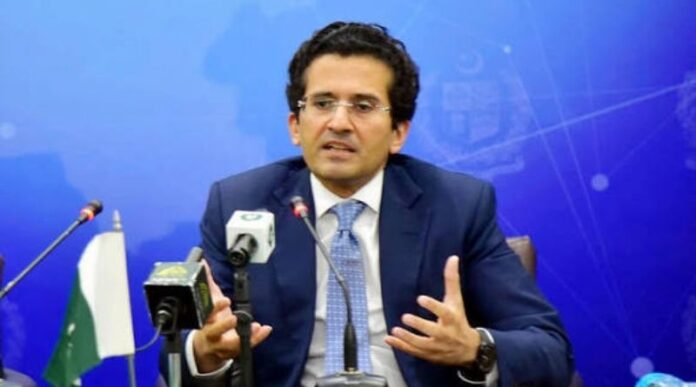

Federal Petroleum Minister Ali Pervaiz Malik has called for stronger fuel reserves and improved storage facilities in Pakistan as the country faces continued risks from changing global fuel prices and possible disruptions in international supply routes.
The minister said Pakistan needs to improve its ability to store fuel and make its supply system stronger so that the country can better deal with unexpected problems in the global energy market. His comments come at a time when international fuel prices remain uncertain and important shipping routes face growing risks.
Ali Pervaiz Malik shared these views during a visit to the headquarters of Pakistan State Oil (PSO) in Karachi. During the visit, he reviewed the company’s overall operations and discussed important matters related to fuel supply, storage, imports, digital systems and future planning.
The government is now paying greater attention to energy security because Pakistan depends heavily on imported petroleum products. Any major problem in global markets, shipping routes or oil-producing regions can directly affect fuel supplies and prices in the country. For this reason, the petroleum minister believes that Pakistan must prepare in advance instead of waiting for a crisis.
Need for Stronger Fuel Storage
The petroleum minister stressed that Pakistan needs more fuel storage capacity to protect the country from sudden supply shortages. He said better storage infrastructure would allow Pakistan to keep larger quantities of fuel for emergencies and difficult situations.
Pakistan imports a large part of the petroleum products needed by its transport, industry, agriculture and other important sectors. If there is a major disruption in the international supply chain, the country can face serious pressure.
Global fuel markets can change quickly due to political tensions, wars, shipping problems, natural disasters or other unexpected events. A delay in fuel shipments can also create difficulties if the country does not have enough stored fuel.
Malik said Pakistan needs a more reliable and flexible energy system that can continue working even when international markets face serious problems. Building larger reserves is one of the important steps towards achieving this goal.
The government wants the country to have stronger protection against sudden changes in oil prices and supply shortages. Better fuel reserves can help Pakistan manage emergencies and reduce the risk of major shortages in the local market.
PSO’s Role in Pakistan’s Energy System
During his visit to the PSO headquarters, the petroleum minister reviewed the company’s work and future plans. Pakistan State Oil is one of the most important companies in the country’s energy sector and plays a major role in the supply and distribution of petroleum products.
PSO is responsible for arranging and supplying fuel to different parts of Pakistan. Its work is important for transport, industries, power-related needs and other sectors that depend on petroleum products.
The minister appreciated PSO for continuing to maintain fuel supplies across the country despite difficult global conditions. He praised the company’s efforts to make sure that consumers and businesses continue receiving the fuel they need.
According to Malik, maintaining a steady supply of fuel during times of international uncertainty is an important achievement. Global political and economic developments can affect the movement of oil and petroleum products, but the country’s supply system must remain ready to respond.
The minister said companies and government institutions working in the energy sector must coordinate closely to deal with future challenges.
Focus on Fuel Procurement and Supply Diversification
One of the major issues discussed during the visit was fuel procurement. Pakistan has traditionally depended on limited sources and routes for a large part of its energy imports. This can become a problem if any major route faces disruption.
The minister highlighted the importance of finding different sources of fuel and improving Pakistan’s ability to receive supplies from multiple markets. This is known as supply diversification.
Having more than one supply option can reduce risk. If one country, port or shipping route faces problems, Pakistan can turn to other sources.
The government wants energy companies to explore better and more secure ways of arranging fuel supplies. The aim is to make Pakistan’s energy system less dependent on a limited number of supply routes.
Diversification can also help the country manage price changes and supply pressure. International fuel prices are affected by many factors, and a wider range of supply options may give Pakistan more flexibility.
The government believes that fuel planning should focus not only on meeting current demand but also on preparing for possible future problems.
Global Risks Are Increasing
Pakistan’s concern about fuel security has grown because global energy markets have become more uncertain.
International oil prices can rise sharply when there is conflict in important oil-producing regions. Problems in major sea routes can also delay shipments and increase transport costs.
For countries like Pakistan, which depend heavily on imported fuel, such developments can create serious economic pressure.
A rise in global oil prices increases Pakistan’s import bill and can put pressure on the national economy. It may also lead to higher prices of petrol, diesel and other petroleum products.
Higher fuel prices can then affect transport costs and the prices of goods in the market. This means a global energy crisis can eventually affect ordinary people in Pakistan.
The petroleum minister said Pakistan must therefore improve its preparation and create a stronger system for dealing with such situations.
The goal is not only to have enough fuel today but also to make sure that the country can continue meeting its needs if international supply routes are disturbed.
More Investment Needed in Storage Facilities
A major part of the government’s strategy is expected to focus on improving storage infrastructure.
Fuel storage facilities are important because they allow a country to keep petroleum products for future use. Larger storage capacity can provide extra protection during supply disruptions.
If Pakistan has better storage facilities, it can keep larger amounts of fuel available for emergency situations. This can give the government and energy companies more time to respond when there is a delay in imports.
The minister said stronger infrastructure is necessary to create a more dependable energy system.
Building storage facilities requires investment, planning and cooperation between the government and private companies. The country also needs modern systems to safely manage, monitor and distribute stored fuel.
Improved storage can become an important part of Pakistan’s long-term energy security plans.
The government is also looking at ways to improve the overall supply chain so that fuel can move more efficiently from ports and storage facilities to different cities and regions.
Digital Systems and Automation
Ali Pervaiz Malik also stressed the need for faster digitisation and automation in the energy sector.
Modern technology can help energy companies improve their operations and make better decisions. Digital systems can provide faster information about fuel stocks, sales, transportation and supply needs.
Automation can also reduce delays and improve the efficiency of different processes.
The minister said Pakistan’s energy sector must adopt modern technology to become stronger and more reliable.
Digital systems can help companies track fuel movement and monitor storage levels in real time. This information can be useful for planning imports and responding quickly to any supply problems.
Technology can also improve coordination between different organisations working in the energy sector.
The government wants to see greater use of digital tools and automated systems in order to make energy operations more modern and efficient.
Improving Customer Services
Along with storage and supply issues, the minister also discussed the importance of better customer services.
Energy companies deal with millions of consumers, businesses and other organisations. Improving service quality is therefore an important part of modernising the sector.
The minister said companies should focus on using technology to provide better services and make their systems easier for customers to use.
Digital services can help reduce paperwork and make many processes faster. They can also improve communication between companies and consumers.
A modern energy company should not only focus on selling fuel. It should also focus on providing reliable service and responding quickly to customer needs.
The government wants state-owned and private energy companies to continue improving their systems as technology changes.
Government and Companies Must Work Together
Malik said the government cannot improve Pakistan’s energy security alone. Energy companies also have an important role in creating a stronger fuel supply system.
Pakistan needs cooperation between government departments, oil marketing companies, refineries and other organisations connected with the energy sector.
Each organisation has a different role, but they must work together to achieve the larger goal of protecting Pakistan’s fuel supply.
The minister said the government would support efforts aimed at improving storage capacity, strengthening supply chains and making the energy sector more modern.
Companies also need to invest in better infrastructure and improve their ability to respond to market changes.
Cooperation can help Pakistan identify weaknesses in its existing energy system and find practical solutions.
The country needs long-term planning instead of short-term measures whenever a crisis appears.
Energy Security Is Important for the Economy
A stable fuel supply is necessary for Pakistan’s economy.
Transport companies need petrol and diesel to move people and goods. Industries need energy to keep production running. Farmers also depend on fuel for machinery and transportation.
Any major shortage can affect economic activity across the country.
This is why the government considers fuel reserves and supply security an important national issue.
A stronger energy system can help reduce the impact of international crises on Pakistan. It can also give the country more time to respond to sudden changes in global markets.
The petroleum minister’s focus on larger fuel reserves shows that the government is becoming more concerned about long-term energy security.
Pakistan will need to continue improving its storage capacity, supply routes and energy infrastructure in the coming years.
A More Modern Energy System for Pakistan
The government’s larger aim is to create an energy system that is modern, reliable and prepared for future challenges.
This includes improving fuel storage, diversifying supply sources, strengthening supply chains and increasing the use of digital technology.
Pakistan must also continue working on long-term solutions to reduce the risks linked with heavy dependence on imported energy.
Better planning can help protect consumers and businesses from sudden disruptions.
The country’s energy system will also need stronger cooperation between the government and the private sector.
Malik praised PSO for maintaining fuel supplies during difficult international conditions and said such efforts are important for national stability.
At the same time, he made it clear that Pakistan must continue improving.
The country cannot depend only on its existing system when global energy markets are changing rapidly. More storage, better planning and stronger supply options will be needed to prepare for future challenges.
Conclusion
Federal Petroleum Minister Ali Pervaiz Malik’s call for bigger fuel reserves highlights the growing importance of energy security in Pakistan.
The country needs stronger storage facilities and a more reliable fuel supply system to protect itself from sudden problems in global markets and international shipping routes.
During his visit to the PSO headquarters in Karachi, the minister reviewed important matters related to fuel procurement, supply diversification, storage capacity and digital systems.
He also appreciated PSO for maintaining an uninterrupted fuel supply despite difficult global conditions.
The government now wants to work with energy companies to create a stronger and more modern system for Pakistan.
Larger fuel reserves, better storage facilities, diversified supply sources and the use of modern technology could help Pakistan deal with future energy challenges more effectively.
As global fuel markets remain uncertain, the need for long-term planning has become even more important. Pakistan’s ability to store more fuel and maintain reliable supply routes can play a key role in protecting consumers, supporting businesses and maintaining economic stability.
The minister’s message is clear: Pakistan must prepare today for the energy challenges that may come tomorrow. By improving storage, strengthening supply chains and modernising the energy sector, the country can build a more secure and dependable fuel system for the future.
Read Also: check