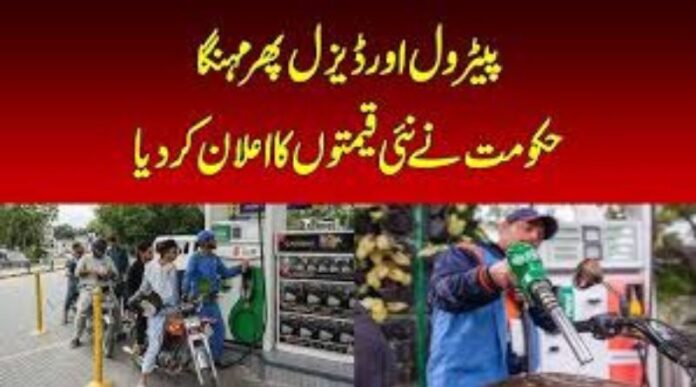

update effective from September 1, 2026, the price of petrol has gone up by Rs0.77 per litre. The new petrol price has been set at Rs342.79 per litre, compared with the previous rate of Rs342.02.
At the same time, there is some relief for diesel users. The price of high-speed diesel (HSD) has been reduced by Rs1.03 per litre, bringing it down from Rs371.44 to Rs370.41 per litre. The latest rates apply across the country and reflect the government’s current fuel pricing system.
The latest change may look small when measured per litre, but even a minor increase can affect the monthly budget of families, transporters, businesses, and people who use motorcycles and cars for daily travel. Fuel prices have a direct effect on transportation costs, and any major or repeated change can also influence the prices of goods and services.
Petrol Price Rises to Rs342.79 Per Litre
The main change in the latest fuel update is the increase in petrol prices. Petrol has become Rs0.77 more expensive per litre, moving from Rs342.02 to Rs342.79.
For a person who buys only a few litres of petrol at a time, the increase may not seem very large. However, for people who travel long distances every day, the extra cost can add up over the month.
For example, someone buying 50 litres of petrol would now pay around Rs38.50 more because of the latest increase alone. Drivers who use their vehicles regularly may therefore notice a higher fuel bill, especially if prices continue to change frequently.
Petrol is widely used by private car owners, motorcycle riders, ride-hailing drivers, delivery workers, and many other people. This makes petrol prices an important issue for a large part of the population.
Diesel Price Gets a Small Reduction
While petrol users will have to pay more, diesel consumers have received a small reduction.
The price of high-speed diesel has been reduced by Rs1.03 per litre. It has fallen from Rs371.44 to Rs370.41 per litre under the latest revision.
Diesel is especially important for the transport and business sectors. Trucks, buses, agricultural machinery, generators, and many commercial vehicles depend on diesel. Because of this, a reduction in diesel prices can help reduce operating costs for businesses and transport operators.
However, the reduction is relatively small, so its impact on overall transportation costs may also be limited unless diesel prices fall further in the coming updates.
Why Are Fuel Prices Changing So Often?
Pakistan’s fuel prices are linked closely with changes in international oil markets and the cost of bringing petroleum products into the country. When international oil prices, shipping costs, import costs, or other related expenses change, local fuel prices can also be affected.
Pakistan imports a large part of the fuel it needs. This means local consumers are exposed to changes in the international energy market. When global oil prices rise, the pressure can eventually reach petrol pumps in Pakistan.
The government has also introduced a daily fuel pricing system. Under this system, petroleum prices can be adjusted more frequently instead of waiting for a traditional fortnightly review. The aim is to bring local fuel prices closer to changes in the international market.
This system can result in prices moving up and down more often. Consumers may therefore see a price increase one day and a decrease shortly afterwards, depending on market conditions.
Recent Fuel Price Changes Show Continued Volatility
The latest increase is part of a period in which fuel prices have changed several times.
For example, on August 26, petrol was increased by Rs1.12 per litre, while high-speed diesel went up by Rs1.11. At that time, petrol reached Rs343.10 per litre and diesel reached Rs371.80.
Fuel prices were also revised on other days during August. The official price records show that petrol moved between different levels as the government adjusted rates according to market conditions.
These frequent changes show how quickly the fuel market can move. For consumers, this makes it harder to plan monthly expenses because the price at the petrol pump can change within a short period.
Impact on Daily Travel
The increase in petrol prices is likely to be noticed most by people who depend on private vehicles for their daily travel.
Motorcycle users are among the largest groups of petrol consumers in Pakistan. Many workers, students, shopkeepers, and small business owners use motorcycles because they are cheaper to operate than cars.
Even a small rise in petrol prices can affect their daily travel budget. Someone who travels several kilometres every day may need to spend more money on fuel at the end of the month.
Car owners may face an even bigger impact because cars generally use more fuel. Families that depend on cars for school runs, office travel, shopping, and other daily activities may need to increase their monthly fuel budget.
Transport Costs Can Also Be Affected
Fuel prices do not only affect vehicle owners. They can also influence the wider economy.
When fuel becomes more expensive, transport companies may face higher operating costs. Buses, trucks, taxis, delivery vehicles, and other commercial transport services all need fuel.
If these costs increase, transport operators may eventually raise their charges. This can make travel more expensive for ordinary people.
The effect can also reach businesses that move products from one city to another. Higher transportation costs can increase the expense of bringing food, clothing, electronics, construction material, and other products to markets.
This is why fuel prices are closely watched by businesses and consumers alike.
Possible Effect on Food Prices
One of the biggest concerns linked with fuel prices is their possible impact on food.
Farmers and food suppliers use fuel at different stages of the supply chain. Tractors and agricultural machinery may use diesel, while trucks and other vehicles are needed to move crops and food products.
When transportation becomes more expensive, sellers may face higher costs. In some cases, those additional costs can eventually be passed on to customers.
However, the impact is not always immediate or the same for every product. Food prices depend on many other factors, including supply, demand, weather, production costs, storage, and market conditions.
Still, repeated fuel price increases can create additional pressure on household budgets.
Businesses Face More Pressure
Fuel prices are also an important concern for businesses across Pakistan.
Small businesses often operate with limited profit margins. A shop owner who uses a vehicle for deliveries, a contractor who travels between different sites, or a company that transports goods may have to spend more when fuel prices rise.
Large companies may have more room to manage such changes, but smaller businesses can feel the impact more quickly.
For businesses, fuel is not just a transportation expense. It can become part of the overall cost of supplying products and services.
If fuel prices remain unstable for a long period, businesses may find it difficult to set prices and prepare their budgets.
What Does the Latest Change Mean for Consumers?
For ordinary consumers, the latest update brings mixed news.
Petrol users will have to pay more, while diesel users get a small reduction. The Rs0.77 increase in petrol is not as large as some previous fuel price jumps, but it still comes at a time when many families are carefully managing their monthly expenses.
The reduction in diesel prices may offer some relief to transport and commercial users. However, whether consumers feel a major benefit will depend on how fuel prices move in the coming days and weeks.
The most important issue for consumers is stability. People can adjust their budgets more easily when prices remain stable. Frequent changes make financial planning more difficult.
International Oil Market Remains Important
International oil prices continue to play a major role in determining fuel costs in Pakistan.
Global events can affect the supply and price of crude oil and refined petroleum products. Conflicts, shipping problems, changes in production, and other international developments can all create pressure in energy markets.
Pakistan, as a major fuel-importing country, cannot completely avoid these global effects.
Recent developments in international oil markets have already caused fuel prices to move sharply in different countries. Pakistan’s own fuel prices have also seen several changes as global market conditions have shifted.
Consumers Will Be Watching the Next Update
With the new prices now in effect, consumers will be watching closely for the next fuel price announcement.
The main question will be whether petrol prices continue to rise or start moving down. Diesel users will also want to know whether the recent reduction continues in future updates.
The daily pricing system means that changes in the international market can have a quicker impact on local prices. This may provide faster relief when global prices fall, but it can also mean that consumers feel increases more quickly when costs rise.
For families, the best outcome would be more stable fuel prices and lower transportation costs.
Fuel Prices Remain a Major Issue for Pakistan
Fuel prices have always been an important economic issue in Pakistan because they affect almost every part of daily life.
From a motorcycle rider going to work to a truck carrying goods between cities, fuel is a basic part of the country’s transport system. Its price can influence travel costs, business expenses, food distribution, and household budgets.
The latest increase in petrol to Rs342.79 per litre is therefore more than just a small change at petrol stations. It is another reminder of how closely everyday expenses are connected with global energy markets.
At the same time, the Rs1.03 reduction in high-speed diesel to Rs370.41 per litre provides some limited relief for diesel users.
For now, consumers will have to adjust to the new rates and keep an eye on future announcements. If international oil prices become more stable, there could be more stability in Pakistan’s fuel market as well.
Until then, petrol and diesel prices are likely to remain an important concern for households, businesses, transporters, and the wider economy.
Read Also: check