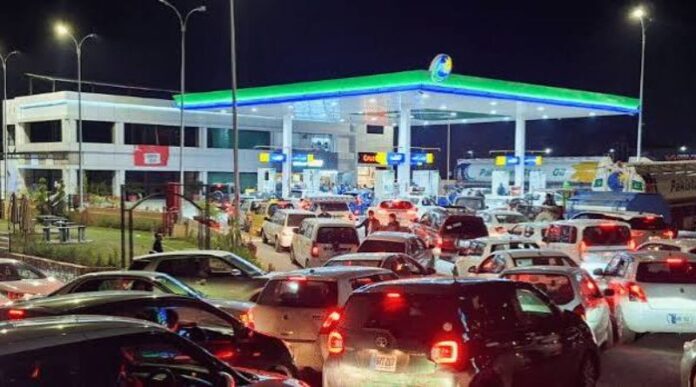

The Petroleum Division has requested Rs. 75 billion to support a three-month fuel relief scheme aimed at reducing the financial pressure caused by high fuel prices in Pakistan. The proposed plan is expected to provide targeted support to eligible consumers while helping the government manage the impact of rising petroleum costs.
Fuel prices have become a major concern for households, businesses, transport operators, and other sectors of the economy. Any increase in petrol and diesel prices directly affects transportation costs and can also push up the prices of daily-use goods. Keeping this situation in view, the government is considering measures to provide temporary relief to people who are facing higher fuel expenses.
The Petroleum Division’s request for Rs. 75 billion shows the scale of financial support required to operate the scheme for three months. The proposed amount would be used to meet the cost of the relief programme and help reduce the burden on selected consumers.
Three-Month Fuel Relief Plan
The proposed fuel relief scheme is designed as a temporary measure. Instead of providing support for a longer period, the government plans to run the programme for three months.
A short-term scheme can allow the government to provide immediate assistance without creating a permanent burden on the national budget. It can also give policymakers some time to review fuel prices, global oil trends, government revenues, and the overall economic situation before deciding on the next step.
The Petroleum Division has therefore sought Rs. 75 billion to cover the expected cost of the programme during this period.
The final details of the scheme, including the method of payment, eligible consumers, and the exact amount of relief available to each beneficiary, will depend on the government’s approval and implementation plan.
Why Fuel Relief Is Needed
Petroleum products play an important role in almost every part of Pakistan’s economy. Petrol is widely used by private vehicle owners, motorcyclists, public transport operators, and businesses. Diesel is especially important for heavy transport, agriculture, logistics, and industrial activities.
When fuel becomes expensive, its impact is not limited to people who buy petrol or diesel directly. Transporters generally adjust their rates when their fuel costs rise. This increases the cost of moving goods from one city to another.
For example, when transportation becomes more expensive, wholesalers and retailers may face higher costs. These additional expenses can eventually reach consumers through higher prices for food, household items, construction materials, and other products.
Farmers can also face higher costs because diesel is used in tractors, tube wells, harvesters, and other agricultural machinery. As a result, expensive fuel can affect the cost of farming and the prices of agricultural products.
This is why fuel prices remain an important issue for both the government and the public.
Rs. 75 Billion Financial Requirement
The requested amount of Rs. 75 billion is a significant financial commitment for the government. It reflects the expected cost of providing fuel-related assistance over the three-month period.
If approved, the funds would allow the authorities to move ahead with the planned relief programme. However, arranging such a large amount also presents a challenge at a time when the government is trying to control spending and improve its financial position.
Pakistan faces several financial pressures, including debt payments, energy-sector costs, development spending, and other government expenses. Any new relief programme therefore needs careful planning to ensure that the required funds are available without creating additional financial problems.
The government will have to balance the need to support consumers with the need to maintain fiscal discipline.
Targeted Support Could Reduce the Cost
One important aspect of a fuel relief programme is how the government decides who should receive the benefit.
A targeted scheme can be less expensive than a general subsidy because financial assistance is provided only to selected groups. Instead of reducing fuel prices for everyone, the government can focus on people who need support the most.
This approach can also help prevent public funds from being used for unnecessary subsidies for higher-income consumers.
The exact eligibility criteria for the proposed scheme will be important. Authorities may need to establish a clear system for identifying beneficiaries and ensuring that the relief reaches the intended people.
A transparent process can also reduce the chances of misuse and make it easier for the government to monitor the programme.
Relief for Consumers and the Economy
If implemented effectively, the scheme could provide some relief to households dealing with higher transportation expenses.
For many Pakistani families, fuel is a regular monthly expense. Motorcyclists and car owners need petrol for travelling to work, educational institutions, markets, and other places. A reduction in fuel costs, even for a limited period, can help households manage their monthly budgets.
The impact could also be positive for small businesses and workers who depend on transport for their daily activities.
However, the wider economic benefit would depend on the size and design of the relief. If the scheme is properly targeted, it could offer meaningful support to those most affected by higher fuel prices.
Impact on Transport Costs
The transport sector is one of the biggest areas affected by changes in fuel prices.
Buses, trucks, vans, taxis, delivery vehicles, and other commercial transport depend heavily on petroleum products. When fuel costs increase, transport operators have to spend more to keep their vehicles running.
For goods transporters, higher fuel expenses can increase the cost of delivering products. This is particularly important in a country where goods are moved between cities and provinces by road.
A temporary fuel relief programme could help reduce some of these additional costs. If transport operators receive direct or indirect support, it may help limit further increases in transportation charges.
However, the actual impact on transport fares and product prices would depend on how the scheme is implemented.
Support for Low-Income Families
Low-income households are often more vulnerable to increases in fuel and transportation costs.
Even families that do not own a car can be affected because they may depend on motorcycles, buses, rickshaws, or other forms of public transport. When fuel prices rise, transport fares can also increase.
At the same time, families have to deal with higher prices of other essential goods. This creates additional pressure on their household budgets.
A targeted fuel relief scheme can therefore provide some breathing space to families that are already struggling with rising living costs.
The government will need to ensure that the programme is designed around the needs of the people who face the greatest financial pressure.
Government Faces a Difficult Balance
Providing relief to consumers is helpful, but the government also has to consider the long-term cost of subsidies.
Fuel subsidies can require large amounts of public money. If such programmes continue for too long, they can increase pressure on government finances.
This is why the proposed three-month duration is important. A limited programme can provide temporary support while allowing the government to assess the situation before taking further decisions.
Authorities will also need to consider changes in international oil prices, the exchange rate, domestic petroleum prices, and government revenues.
These factors can influence the final cost of fuel and determine whether additional relief is required in the future.
Importance of Transparent Implementation
The success of the fuel relief scheme will depend not only on funding but also on its implementation.
The government will need a clear system for identifying beneficiaries, distributing funds, and monitoring the use of public money. Any delays or gaps in the process could reduce the effectiveness of the programme.
Authorities should also communicate the details clearly so that eligible people understand how they can receive the benefit.
Transparency will be especially important because Rs. 75 billion is a large public allocation. People will expect the government to ensure that the money is used for its intended purpose.
Regular monitoring can help identify problems and allow officials to take corrective action when needed.
Temporary Relief Cannot Solve the Bigger Problem
While the proposed scheme could help consumers in the short term, it cannot solve all the problems linked to high fuel prices.
Pakistan remains heavily dependent on imported petroleum products. Changes in international oil prices and global market conditions can therefore have a direct impact on domestic fuel prices.
The country also has to manage the cost of importing energy while dealing with foreign exchange pressures.
For a more lasting solution, Pakistan needs policies that can reduce its dependence on expensive imported fuel. Greater use of public transport, renewable energy, electric vehicles, and other alternative energy sources could help reduce petroleum demand over time.
However, such changes require investment, planning, and time. Until then, temporary relief measures may continue to be used when fuel prices create serious pressure on consumers.
What Happens Next?
The Petroleum Division’s request for Rs. 75 billion is an important step in the proposed three-month fuel relief programme. The next stage will involve government consideration of the funding requirement and other details of the scheme.
Once the required funds and implementation mechanism are approved, the authorities can move towards launching the programme.
The government will also need to determine who qualifies for the relief and how beneficiaries will receive it. Clear rules will be necessary to make sure the programme reaches the right people.
The effectiveness of the scheme will ultimately depend on these details.
Relief for Three Months
The proposed Rs. 75 billion fuel relief scheme comes at a time when high petroleum prices are creating pressure across the economy. From households and commuters to transporters, farmers, and businesses, many sectors feel the effects of expensive fuel.
A three-month support programme could provide temporary relief and help eligible consumers manage their fuel expenses. It may also reduce some pressure on transport and other sectors that depend heavily on petroleum products.
However, the government must carefully manage the financial cost of the programme. At the same time, it needs to make sure that the assistance reaches the people who genuinely need it.
The proposed scheme is therefore not only about reducing fuel costs. It is also about finding a balance between immediate public relief and responsible use of government funds.
If approved and implemented properly, the programme could offer short-term support to consumers during a difficult period. But for lasting relief, Pakistan will eventually need broader measures to improve energy efficiency, reduce dependence on imported fuel, and strengthen the economy.
For now, the Petroleum Division’s request for Rs. 75 billion marks a major move toward providing temporary fuel relief for the next three months. The public will be watching closely to see how the government finalises the scheme, distributes the funds, and ensures that the promised support reaches its intended beneficiaries.
Read Also: check