
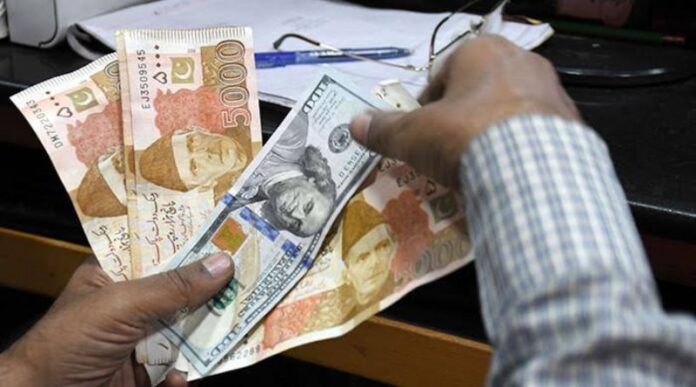

The British pound is moving closer to the Rs. 350 level against the Pakistani rupee, putting fresh attention on the currency market and the changing value of the local currency. The latest movement has raised concerns among businesses, importers, overseas students, travellers, and families who regularly deal in British pounds.
Currency rates can change quickly because of demand and supply in the market. When the pound becomes stronger against the rupee, people in Pakistan need more rupees to buy the same amount of British currency. This can increase the cost of payments linked to the United Kingdom and may also affect businesses that deal with imports, international services, education, and travel.
The movement toward Rs. 350 is therefore being closely watched by people who have regular financial dealings in pounds.
Pound Gains Attention in Pakistan
The British pound is one of the major foreign currencies traded in Pakistan. Its value against the Pakistani rupee is important for many individuals and businesses.
A stronger pound means that anyone in Pakistan who needs to purchase pounds has to spend more rupees. For example, if a person needs to send money to a family member in the UK, pay university fees, cover accommodation expenses, or make another payment in pounds, a higher exchange rate can increase the total cost.
This is why even a small change in the pound-to-rupee rate can matter for households.
The movement toward the Rs. 350 range has also brought the foreign exchange market into focus. Currency rates do not remain fixed throughout the day. They can move depending on market conditions, international developments, demand for foreign currency, and the overall strength of the local currency.
What Does a Rs. 350 Pound Mean?
If the pound reaches around Rs. 350, it means one British pound would cost about Rs. 350 in terms of the exchange rate.
For someone buying £100, the basic conversion at that rate would be around Rs. 35,000 before considering any exchange company charges, bank fees, or other costs.
Similarly, a person who receives £100 from the UK and converts it into Pakistani rupees could receive around Rs. 35,000 at that rate, depending on the rate offered by the bank or exchange company.
The actual amount received or paid can be different because buying and selling rates are usually not exactly the same.
This difference is important because people often see one exchange rate online but receive another rate when they actually exchange money.
Why Currency Rates Keep Changing
Foreign exchange rates are affected by several factors. One major factor is demand and supply.
When demand for a foreign currency increases, its value can rise against the local currency. On the other hand, when more foreign currency becomes available in the market, pressure on its price can ease.
The Pakistani rupee can also come under pressure when the country needs more foreign currency for imports and other international payments.
Global economic conditions also play an important role. Changes in interest rates, inflation, economic growth, investor confidence, and international trade can affect major currencies such as the British pound.
Political and economic developments in both Pakistan and the UK can also influence market sentiment.
Impact on Overseas Education
One of the areas where a stronger pound can have a direct effect is education.
Thousands of Pakistani students study in the United Kingdom or plan to move there for higher education. They need British pounds to pay university fees, accommodation charges, food expenses, transport costs, and other daily expenses.
When the pound becomes more expensive in Pakistani rupees, the cost of studying in the UK can rise for families in Pakistan.
For example, a university fee that is fixed in pounds does not change simply because the rupee loses value. However, the Pakistani rupee amount required to pay that fee increases when the pound becomes stronger.
This can create additional financial pressure for parents and students.
Students may also need pounds for monthly living expenses. Rent, groceries, transport, and other payments in the UK are made in pounds, so changes in the exchange rate can affect the amount families need to send from Pakistan.
Travellers May Also Feel the Pressure
People planning trips to the United Kingdom may also be affected by the pound’s movement.
Travellers normally exchange Pakistani rupees for pounds before or during their trip. A higher pound rate means they need more rupees to get the same amount of British currency.
This can increase the overall cost of a trip.
Families travelling for holidays, business meetings, medical appointments, or to visit relatives may need to prepare a larger budget if the pound continues to rise.
The impact can be more noticeable for longer trips because travellers need money for hotels, food, transport, shopping, and other expenses.
Effect on Families Sending Money Abroad
A stronger pound can also affect Pakistani families who regularly make payments to relatives in the UK.
People may send money for education, household expenses, medical costs, rent, or other needs. When the exchange rate moves higher, the amount of Pakistani rupees required to send a fixed amount in pounds increases.
For example, someone who needs to send £1,000 would require a larger amount in rupees if the pound is trading near Rs. 350 compared with a lower exchange rate.
This makes currency movements an important issue for families with regular international financial commitments.
Remittances Can Benefit From a Higher Pound
There is another side to the situation.
For Pakistanis receiving pounds from the United Kingdom, a stronger pound can mean more Pakistani rupees when the money is converted.
Overseas Pakistanis often send money to their families in Pakistan. If the pound gains value against the rupee, recipients can receive more rupees for the same amount of pounds, depending on the exchange rate and transaction charges.
This can increase the local value of money sent from abroad.
However, the overall effect depends on the needs of each household. A family receiving remittances may benefit from a stronger foreign currency, while another family that needs to buy pounds for education or travel may face higher costs.
Businesses Also Watch the Exchange Rate
The pound’s movement is not only important for individuals. Businesses with links to the UK also monitor exchange rates closely.
Companies that import goods or services from the UK may have to spend more Pakistani rupees when the pound becomes stronger.
This can affect the cost of business operations, especially if payments are made in British currency.
Businesses may then have to review their prices, budgets, or payment plans. The final impact depends on the type of business and the size of its transactions.
Companies involved in international trade generally keep a close eye on currency markets because sudden changes can affect their expected costs and earnings.
Impact on Imported Goods and Services
Currency movements can also influence the prices of imported products.
If a business needs to pay a UK-based supplier in pounds, a stronger pound can increase the rupee cost of that payment. Depending on the product and business model, some of this additional cost may eventually be reflected in local prices.
However, not every imported product in Pakistan is directly linked to the British pound. Many international transactions are carried out in US dollars or other currencies.
Therefore, the impact of a stronger pound on general prices depends on the specific trade relationship and currency used for payment.
Exchange Companies and Banks
People exchanging pounds through banks and authorised exchange companies should also remember that market rates and customer rates can differ.
Banks and exchange companies may offer separate buying and selling rates. Additional charges may also apply depending on the type of transaction.
This means that the amount a customer receives can be different from a rate seen on an online currency website.
Anyone planning a large currency transaction should check the current rate offered by the relevant bank or authorised exchange company rather than relying only on a general market figure.
What Could Happen Next?
The next direction of the pound against the Pakistani rupee will depend on market conditions in both countries and developments in the international economy.
Currency markets can change quickly. A rate moving toward Rs. 350 does not mean that it will necessarily stay at that level. It can move higher or lower depending on demand, supply, economic news, central bank decisions, international market conditions, and other factors.
For this reason, people with upcoming payments in pounds may want to keep track of the market rather than assuming that today’s rate will remain unchanged.
Businesses may also need to consider currency changes when preparing budgets and planning international payments.
Why the Rupee-Pound Rate Matters
The exchange rate between the Pakistani rupee and British pound is more than just a number displayed on a currency board.
It affects people who study, travel, work, trade, send money, or maintain financial links between Pakistan and the United Kingdom.
For students, a higher pound can increase education and living costs. For travellers, it can make trips more expensive. For importers, it can raise the rupee cost of pound-based payments. At the same time, families receiving pound-based remittances may receive more rupees when the foreign currency is converted.
This is why movements in the pound are closely followed by different sections of the Pakistani economy.
Conclusion
The British pound’s move toward the Rs. 350 level against the Pakistani rupee has brought renewed attention to foreign exchange rates in Pakistan. The development is particularly relevant for people who regularly buy or receive British pounds.
A stronger pound can increase the rupee cost of education, travel, international payments, and business transactions involving the UK. On the other hand, Pakistanis receiving money from Britain may see a higher rupee value when their pounds are converted.
The currency market remains changeable, so the pound-to-rupee rate can move in either direction. Anyone planning a major transaction should check the latest buying and selling rates from an authorised source before making a payment or exchanging money.
For now, the approach toward the Rs. 350 mark remains an important development for Pakistan’s currency market and for people whose finances are connected to the United Kingdom.
Read Also: check