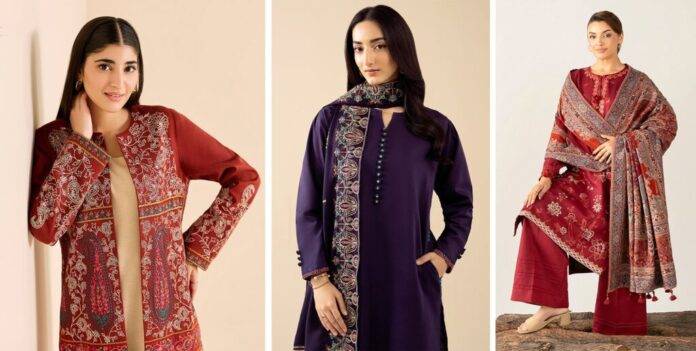
Pakistan’s fashion industry has undergone a remarkable transformation over the past two decades, evolving from a modest domestic market into a global powerhouse that commands respect on international runways and in wardrobes across continents. As we navigate through 2026, Pakistani
clothing brands have established themselves as formidable competitors in the global fashion landscape, blending centuries-old craftsmanship with contemporary design sensibilities that resonate with modern consumers worldwide.
The Pakistani fashion ecosystem represents a unique convergence of tradition and innovation. With a textile heritage dating back to the Indus Valley Civilization, the region has always been celebrated for its superior cotton production, intricate embroidery techniques, and mastery of fabric manipulation. Today, this rich legacy serves as the foundation upon which modern Pakistani brands build their identity, creating garments that honor cultural roots while embracing global fashion trends.
The year 2026 marks a particularly significant period for Pakistani fashion. According to recent market analysis, the country’s fashion industry continues to experience robust growth, with several brands expanding their international footprint through e-commerce platforms and physical retail presence in key global markets . The industry’s estimated worth has crossed significant milestones, driven by increasing demand from the Pakistani diaspora, growing interest from international consumers in modest fashion, and the rising influence of South Asian aesthetics in global pop culture.
What sets Pakistani clothing brands apart in 2026 is their ability to offer something for everyone. From luxury couture houses that create bespoke bridal masterpieces to fast-fashion retailers democratizing style through affordable ready-to-wear collections, the spectrum is remarkably diverse. These brands have mastered the art of balancing quality with accessibility, tradition with trendiness, and local identity with universal appeal.
The digital revolution has played a crucial role in this expansion. Pakistani brands have been early adopters of augmented reality shopping experiences, AI-driven personalization, and social media marketing strategies that connect them directly with global audiences . Instagram and TikTok have become virtual runways where Pakistani designers showcase their latest collections, reaching millions of potential customers without the need for traditional fashion week presentations.
As we explore the
top 10 Pakistani clothing brands of 2026, we will examine not just their commercial success but also their cultural impact, design philosophy, and contribution to the broader narrative of South Asian fashion. Each brand on this list represents a different facet of Pakistan’s fashion identity, collectively painting a picture of an industry that is confident, creative, and increasingly influential on the world stage.
1. Sapphire: The Digital-First Fashion Leader
Sapphire has emerged as the undisputed leader of Pakistan’s fashion industry in 2026, a position it has solidified through strategic innovation and an unwavering commitment to quality. Since its establishment in 2014, the brand has undergone what industry analysts describe as an “extraordinary evolution,” transforming from a promising newcomer into a global fashion phenomenon .
What distinguishes Sapphire in the current market is its sophisticated understanding of the modern consumer. The brand has successfully diversified its product range beyond traditional categories, offering everything from premium unstitched fabrics to contemporary ready-to-wear collections, accessories, and even lifestyle products. This diversification strategy has allowed Sapphire to capture multiple segments of the market simultaneously, making it a one-stop destination for fashion-conscious consumers.
The brand’s digital-first approach deserves special mention. In an era where e-commerce dominates retail, Sapphire has established a global online store that serves customers in over 25 countries . This international expansion has been meticulously planned, with localized websites, region-specific marketing campaigns, and efficient logistics networks that ensure Pakistani fashion reaches doorsteps from London to Los Angeles within days.
Sapphire’s design philosophy in 2026 reflects a masterful balance between tradition and modernity. Their collections feature reinterpretations of classic Pakistani motifs alongside minimalist contemporary designs that appeal to younger demographics. The brand’s seasonal lawn collections, released in anticipation of the scorching South Asian summer, have become cultural events in themselves, with customers queuing online and in stores to secure pieces from limited-edition collaborations.
The brand’s social media dominance is equally impressive. According to 2026 rankings, Sapphire maintains the largest following among Pakistani fashion brands on Instagram, with engagement rates that set industry benchmarks
. This digital presence isn’t merely about follower counts; Sapphire has cultivated a genuine community of brand advocates who engage with content, participate in user-generated campaigns, and drive organic growth through authentic recommendations.
Sustainability has become a cornerstone of Sapphire’s operations in recent years. The brand has implemented comprehensive environmental initiatives, including water conservation in manufacturing processes, reduction of chemical dyes, and introduction of recycled fabric lines. These efforts resonate strongly with Gen Z and millennial consumers who prioritize ethical consumption, giving Sapphire a competitive edge in an increasingly conscious market.
The brand’s retail expansion continues unabated, with flagship stores in Pakistan’s major cities complemented by international locations in the UAE, UK, and North America. Each store is designed as an immersive brand experience, with interior aesthetics that reflect Pakistani architectural heritage while incorporating modern retail technology such as smart mirrors and virtual try-on stations.
2. Sana Safinaz: The Couture Powerhouse
When discussing Pakistani fashion royalty, the conversation inevitably turns to Sana Safinaz, the iconic duo of Sana Hashwani and Safinaz Muneer who have redefined luxury couture in South Asia. Founded by these two visionary women, the brand has become synonymous with sophisticated elegance and impeccable craftsmanship .
Sana Safinaz occupies a unique position in Pakistan’s fashion hierarchy. While many brands compete in the mass market, this label has steadfastly maintained its luxury positioning, creating garments that are as much works of art as they are clothing items. Their atelier in Karachi operates more like a fashion house in Paris or Milan, with teams of master craftspeople executing intricate embellishments that can take hundreds of hours to complete.
The brand’s 2026 collections showcase their signature aesthetic: contemporary silhouettes adorned with traditional techniques. Sana Safinaz has perfected the art of minimalism with impact, creating designs that appear deceptively simple but reveal extraordinary detail upon closer inspection. Their use of premium fabrics—imported silks, hand-woven organzas, and specially developed textiles—sets them apart from competitors who rely on standard materials.
What makes Sana Safinaz particularly relevant in 2026 is their successful navigation of the digital landscape while maintaining exclusivity. Unlike brands that have democratized luxury through widespread availability, Sana Safinaz has leveraged digital platforms to enhance the bespoke experience. Virtual consultations, 3D garment visualization, and AI-assisted customization allow clients worldwide to commission personalized pieces without visiting physical locations.
The brand’s bridal division deserves special recognition. Pakistani weddings are multi-day extravaganzas requiring numerous outfit changes, and Sana Safinaz has become the go-to choice for brides seeking statement pieces for each function. Their bridal collections feature hand-embroidered lehengas, intricately embellished shararas, and contemporary gowns that blend Eastern and Western aesthetics. Each piece is created through a collaborative process between the designers and the client, ensuring that no two brides look identical.
Sana Safinaz’s influence extends beyond clothing into accessories, fragrances, and home décor, creating a lifestyle brand that embodies their aesthetic vision. This vertical integration has strengthened their market position and created multiple revenue streams that insulate them from seasonal fluctuations in fashion demand.
The brand’s social media strategy reflects their sophisticated positioning. Rather than chasing viral trends, Sana Safinaz curates an aspirational digital presence that reinforces their luxury credentials. Their content features editorial-quality photography, behind-the-scenes glimpses of the atelier, and collaborations with international photographers and stylists who bring fresh perspectives to Pakistani fashion
.
3. Khaadi: The Cultural Icon
Khaadi represents perhaps the most culturally significant brand in Pakistani fashion, having transcended commercial success to become a symbol of national identity and artisanal heritage. Established in 1998 by Shamoon Sultan, Khaadi (meaning “hand-woven” in Urdu) was founded on a mission to revive and celebrate Pakistan’s traditional textile crafts .
The brand’s origin story is deeply rooted in social responsibility. Sultan recognized that Pakistan’s handloom industry was dying as mechanized production dominated the market. Khaadi was created not merely as a commercial venture but as a platform to preserve ancient weaving techniques and provide sustainable livelihoods for rural artisans. This mission-driven approach continues to define the brand’s identity in 2026, even as it has grown into an international fashion empire.
Khaadi’s product range has expanded dramatically from its initial focus on hand-woven fabrics. Today, the brand offers comprehensive collections for men, women, and children, encompassing unstitched fabrics, ready-to-wear clothing, accessories, and home textiles . Despite this diversification, the brand has maintained its commitment to craftsmanship, with hand-woven elements remaining central to their design identity even in mass-produced lines.
The brand’s aesthetic is instantly recognizable: vibrant colors inspired by Pakistan’s diverse landscapes, intricate patterns drawn from regional folk art, and silhouettes that honor traditional South Asian dress while incorporating modern cuts. Khaadi has mastered the art of creating clothing that feels both timeless and contemporary, appealing to multiple generations within the same family.
In 2026, Khaadi’s retail presence spans Pakistan’s major cities, with flagship stores that function as cultural centers as much as retail spaces. These stores feature exhibitions of traditional crafts, workshops where customers can learn weaving techniques, and community spaces that host cultural events. This experiential retail approach has created deep emotional connections with customers who see Khaadi as a guardian of Pakistani heritage.
The brand’s international expansion has been equally impressive, with stores in the UAE, UK, and online presence serving global customers. Khaadi has become particularly popular among the South Asian diaspora, who view the brand as a tangible connection to their cultural roots. For second and third-generation Pakistani-Americans and British-Pakistanis, wearing Khaadi represents a way to express cultural identity in contemporary, stylish ways.
Khaadi’s digital transformation has been noteworthy. The brand has developed sophisticated e-commerce platforms that recreate the sensory experience of their physical stores through high-resolution imagery, detailed product storytelling, and virtual styling services. Their social media presence emphasizes cultural education alongside product promotion, creating content that explains the history behind specific weaving techniques or the significance of certain color combinations in Pakistani tradition.
4. Gul Ahmed: The Textile Titan
Gul Ahmed stands as a testament to the power of legacy and continuous reinvention in the fashion industry. With a history spanning over six decades, this Karachi-based brand has evolved from a textile manufacturer into one of Pakistan’s most comprehensive fashion houses . In 2026, Gul Ahmed continues to dominate the market through a combination of heritage credibility and forward-thinking innovation.
The brand’s origins in textile production give it a unique advantage over competitors who source fabrics from third parties. Gul Ahmed controls its entire supply chain, from yarn production to finished garments, ensuring quality control at every stage. This vertical integration allows them to experiment with fabric innovations that other brands cannot easily replicate, including proprietary blends, specialized weaves, and sustainable materials developed in their research laboratories.
Gul Ahmed’s product portfolio is remarkably diverse, catering to virtually every segment of the market. Their lawn collections—lightweight cotton fabrics perfect for Pakistan’s sweltering summers—have achieved cult status, with annual releases generating excitement comparable to major international fashion drops . These collections feature collaborations with renowned artists, limited-edition prints, and innovative fabric treatments that justify the annual frenzy among consumers.
The brand’s ready-to-wear division has seen significant growth in recent years, reflecting changing consumer preferences toward convenience. Gul Ahmed’s RTW collections maintain the quality standards of their fabrics while offering contemporary designs that require no tailoring. This segment has proven particularly popular among working professionals and younger consumers who prioritize ease without compromising on style.
Gul Ahmed’s home textile division deserves mention as well, offering coordinated bedding, table linens, and décor items that allow customers to extend their personal style into their living spaces. This diversification has created a lifestyle ecosystem around the brand, increasing customer lifetime value and creating opportunities for cross-selling.
The brand’s retail strategy in 2026 combines flagship stores in premium locations with an extensive network of smaller outlets and a robust e-commerce platform. Their physical stores are designed to showcase the full range of products, with dedicated sections for different categories and interactive displays that educate customers about fabric qualities and care instructions.
Gul Ahmed’s marketing approach emphasizes their heritage while embracing modern channels. Their campaigns feature a mix of traditional imagery that reinforces their legacy and contemporary content that appeals to younger audiences. The brand has been particularly effective in leveraging influencer partnerships, collaborating with fashion bloggers, celebrities, and content creators who authentically represent their diverse customer base.
5. Bonanza Satrangi: The Innovation Pioneer
Bonanza Satrangi represents one of the most fascinating evolution stories in Pakistani fashion. Originally established in 1976 as a menswear manufacturer, the brand underwent a dramatic transformation in 2012 with the launch of its women’s clothing line and subsequent rebranding as Bonanza Satrangi . In 2026, this revitalized brand stands as one of Pakistan’s fastest-growing fashion labels, known for its innovative approach and rapid expansion.
The brand’s growth trajectory is remarkable, with over 80 outlets now operating across Pakistan . This extensive retail network gives Bonanza Satrangi unparalleled market penetration, making their products accessible to consumers in tier-2 and tier-3 cities where luxury brands have limited presence. This democratization of fashion has been central to their success, bringing contemporary style to markets traditionally underserved by modern retailers.
Bonanza Satrangi’s product architecture is strategically divided into distinct segments that cater to different customer needs. The Bonanza line focuses on men’s formal clothing, knitwear, and ethnic wear, while Satrangi encompasses women’s ready-to-wear, unstitched collections, and accessories . This dual-brand strategy allows for targeted marketing and product development while leveraging shared operational infrastructure.
What truly sets Bonanza Satrangi apart in 2026 is their embrace of technology. The brand was the first in Pakistan to introduce augmented reality (AR) shopping experiences, allowing customers to virtually try on clothing through their smartphones before making purchase decisions . This innovation has proven particularly valuable for online shoppers who previously hesitated to purchase clothing without physical inspection.
The brand’s design philosophy emphasizes accessibility without sacrificing style. Their collections feature wearable designs that flatter diverse body types, color palettes that complement South Asian skin tones, and price points that make fashion accessible to middle-class consumers. This inclusive approach has created a broad and loyal customer base that spans demographics.
Bonanza Satrangi’s marketing strategy leverages digital channels with particular effectiveness. Their social media presence combines product showcases with lifestyle content that resonates with their target audience. The brand has been quick to adopt emerging platforms and formats, from TikTok fashion challenges to Instagram Reels featuring styling tutorials.
The brand’s manufacturing capabilities deserve mention as well. Unlike brands that outsource production, Bonanza Satrangi maintains extensive in-house manufacturing facilities that allow for rapid turnaround times and strict quality control. This operational excellence enables them to respond quickly to trends and maintain consistent product availability, addressing a common pain point in Pakistani fashion where popular items frequently sell out.
6. Nishat Linen: The Accessible Luxury Pioneer
Nishat Linen operates under the umbrella of the Nishat Group, one of Pakistan’s largest conglomerates, giving it resources and infrastructure that few competitors can match . This corporate backing has allowed the brand to pursue an ambitious vision of making luxury-quality fashion accessible to the masses, a positioning that has proven remarkably successful in 2026.
The brand’s core proposition revolves around offering high-quality fabrics and contemporary designs at price points that democratize style. Nishat Linen has mastered the art of creating products that feel premium without carrying premium price tags, appealing to value-conscious consumers who refuse to compromise on quality . This positioning has proven particularly resonant in Pakistan’s economic climate, where inflation and currency fluctuations have made imported luxury goods increasingly unaffordable.
Nishat Linen’s product range encompasses clothing and home textiles, creating a comprehensive lifestyle offering . Their clothing collections span casual wear, formal attire, and festive collections, with particular strength in printed fabrics that showcase the brand’s design capabilities. The home textile division offers coordinated bedding, curtains, and table linens that allow customers to create cohesive living environments.
The brand’s design aesthetic in 2026 reflects a sophisticated understanding of Pakistani consumer preferences. Their collections feature a blend of traditional motifs reinterpreted through contemporary lenses, color palettes that range from vibrant jewel tones to subtle pastels, and silhouettes that honor cultural dress codes while incorporating modern elements. This balance allows Nishat Linen to appeal to conservative and progressive consumers alike.
Nishat Linen’s retail strategy emphasizes accessibility through extensive physical presence and a user-friendly e-commerce platform. Their stores are located in high-traffic shopping districts across Pakistan, with layouts designed to facilitate easy browsing and discovery. The online store offers detailed product information, size guides, and virtual styling assistance that reduces the friction of digital shopping.
The brand’s marketing communications emphasize value and quality, positioning Nishat Linen as a smart choice for discerning consumers. Their campaigns feature real customers alongside professional models, creating relatable content that builds trust and authenticity. The brand has also been effective in leveraging seasonal marketing, with special collections and promotions tied to cultural celebrations like Eid that drive significant sales volume.
Corporate social responsibility has become increasingly important to Nishat Linen’s brand identity. The brand has implemented sustainability initiatives across its operations, from water conservation in manufacturing to eco-friendly packaging. These efforts appeal to environmentally conscious consumers and align with global trends toward responsible consumption.
7. Alkaram Studio: The Youthful Contender
Alkaram Studio has carved out a distinctive position in Pakistan’s fashion landscape as the brand of choice for younger, trend-conscious consumers. With a significant social media following that ranks among the top Pakistani fashion brands
, Alkaram has demonstrated particular skill in connecting with digital-native generations who discover and engage with fashion primarily through online channels.
The brand’s success stems from its ability to translate global fashion trends into designs that remain culturally appropriate for Pakistani consumers. Alkaram’s collections feature contemporary silhouettes, bold prints, and experimental color combinations that push boundaries while respecting cultural sensibilities. This edgy yet accessible approach has made the brand especially popular among college students, young professionals, and fashion enthusiasts who want to express individuality through their clothing.
Alkaram Studio’s product architecture includes both unstitched fabrics and ready-to-wear collections, giving customers flexibility in how they engage with the brand
. Their unstitched lines appeal to traditional consumers who prefer custom tailoring, while ready-to-wear options cater to convenience-seeking younger demographics. This dual approach maximizes market reach while allowing the brand to test new designs across different product categories.
The brand’s seasonal collections, particularly their lawn releases, have become major events in Pakistan’s fashion calendar. Alkaram leverages digital marketing to build anticipation for these launches, with teaser campaigns, influencer previews, and exclusive online drops that create urgency and drive sales. Their lawn collections are known for playful colors and youthful designs that differentiate them from more traditional competitors
.
Alkaram’s retail presence combines flagship stores in major cities with a strong e-commerce platform that serves customers nationwide and internationally. Their physical stores feature modern interiors and technology-enhanced shopping experiences, while their online platform offers detailed product visualization, easy navigation, and efficient fulfillment.
The brand’s social media strategy is among the most sophisticated in Pakistani fashion. Alkaram creates content that goes beyond product promotion to include styling tips, behind-the-scenes glimpses of design processes, and user-generated content that showcases real customers wearing their products. This approach builds community and authenticity, driving organic engagement that reduces reliance on paid advertising.
Alkaram has also been proactive in sustainability initiatives, recognizing that environmental consciousness is particularly important to their young customer base. The brand has introduced eco-friendly fabric lines, reduced packaging waste, and implemented recycling programs that allow customers to return old garments for responsible disposal.
8. Agha Noor: The Eclectic Innovator
Agha Noor has established itself as one of Pakistani fashion’s most distinctive voices, known for innovative designs and an eclectic aesthetic that defies easy categorization . In a market where many brands follow predictable formulas, Agha Noor has consistently surprised and delighted customers with unexpected design choices, unconventional color palettes, and experimental silhouettes.
The brand’s design philosophy centers on creating clothing that makes a statement. Agha Noor’s collections feature bold embellishments, unexpected fabric combinations, and avant-garde cuts that challenge conventional notions of Pakistani fashion . This willingness to take risks has attracted a devoted following among fashion-forward consumers who seek uniqueness and self-expression through their clothing.
Agha Noor’s product range spans bridal wear, luxury pret (ready-to-wear), and casual collections, demonstrating versatility across market segments . Their bridal division has gained particular recognition for creating unconventional wedding attire that departs from traditional red and gold palettes in favor of unexpected colors, contemporary silhouettes, and artistic embellishments. This approach has resonated with modern brides who want their wedding wardrobe to reflect personal style rather than convention.
The brand’s luxury pret collections showcase their ability to create occasion wear that balances drama with wearability. These pieces feature intricate handwork, premium fabrics, and distinctive design elements that command attention without overwhelming the wearer. Agha Noor has mastered the art of creating statement pieces that remain versatile enough for multiple occasions.
Agha Noor’s casual wear lines translate their design DNA into everyday clothing, offering customers the opportunity to incorporate the brand’s aesthetic into their daily wardrobes. These collections feature the same attention to detail and design innovation as their formal lines, with practical considerations for comfort and ease of wear.
The brand has cultivated a loyal clientele both within Pakistan and internationally , with particular strength in markets like the UAE, UK, and North America where Pakistani fashion has significant demand. Their international customers appreciate Agha Noor’s ability to create clothing that feels authentically Pakistani while meeting global fashion standards.
Agha Noor’s marketing approach emphasizes their design philosophy and creative process. Their campaigns feature artistic photography and videography that showcase clothing as wearable art, appealing to customers who view fashion as a form of self-expression and cultural participation.
9. Baroque: The Opulence Expert
Baroque has built its brand identity around a singular concept: unapologetic opulence. In a fashion landscape that increasingly values minimalism and understated elegance, Baroque has carved out a thriving niche by embracing glamour, luxury, and extravagance . Their 2026 collections continue to celebrate the maximalist aesthetic that has defined the brand since its inception.
The brand’s design vocabulary is instantly recognizable: bold, saturated colors that command attention; intricate embellishments that catch light and create movement; and silhouettes that emphasize drama and presence . Baroque’s garments are designed for occasions where making an entrance is the objective, from weddings and formal celebrations to red-carpet events and high-society gatherings.
Baroque’s mastery of embellishment techniques sets them apart from competitors. The brand employs teams of specialized craftspeople who execute intricate beadwork, sequin applications, thread embroidery, and mixed-media embellishments that transform fabric into three-dimensional art. These techniques require extraordinary skill and patience, with complex pieces requiring hundreds of hours of handwork.
The brand’s color philosophy rejects the muted palettes favored by many contemporary designers in favor of jewel tones, metallics, and high-contrast combinations. Baroque’s use of color is strategic and psychological, recognizing that certain hues convey power, passion, or prestige. Their collections feature emerald greens, sapphire blues, ruby reds, and golds that evoke royalty and luxury.
Baroque’s customer base consists primarily of women who view fashion as a form of empowerment and self-expression. These customers are not seeking to blend in but to stand out, and Baroque provides them with the tools to do so confidently. The brand’s marketing communications emphasize transformation and empowerment, positioning their clothing as armor for women who refuse to be invisible.
Despite their focus on luxury, Baroque has developed efficient production capabilities that allow them to offer their products at accessible price points relative to the craftsmanship involved. This value proposition—couture-quality embellishment at ready-to-wear prices—has been central to their commercial success.
The brand’s retail environments reflect their aesthetic philosophy, with stores designed as immersive luxury experiences. Rich materials, dramatic lighting, and theatrical displays create atmospheres that prepare customers for the transformative experience of wearing Baroque clothing.
10. Cross Stitch: The Craftsmanship Guardian
Cross Stitch completes our top 10 list as a brand that has built its reputation on meticulous craftsmanship and a deep respect for traditional Pakistani embroidery techniques . In an era of fast fashion and mass production, Cross Stitch has differentiated itself by emphasizing handwork, detail, and the human touch that distinguishes artisanal clothing from factory-produced alternatives.
The brand takes its name from the cross-stitch embroidery technique that is a hallmark of Pakistani textile tradition. While their collections have expanded far beyond this single technique, the name reflects their foundational commitment to preserving and celebrating traditional crafts . Cross Stitch’s designs feature intricate embroideries executed by skilled artisans who have inherited their craft through generations of practice.
Cross Stitch’s aesthetic combines traditional techniques with contemporary design sensibilities. Their collections feature classic embroidery patterns reimagined in modern color palettes, traditional silhouettes updated with current cuts, and heritage crafts presented in ways that appeal to younger consumers who might otherwise gravitate toward more Westernized brands .
The brand’s product range includes both unstitched fabrics that allow customers to create custom garments and ready-to-wear collections for those seeking convenience. Their unstitched lines are particularly popular among customers who value the ability to personalize fit and styling, while their RTW collections offer accessible entry points for new customers.
Cross Stitch has been effective in marketing their craftsmanship story, creating content that showcases the artisans behind their products and the techniques employed in creation. This transparency builds appreciation for the skill involved and justifies premium pricing relative to mass-market alternatives. Customers feel they are purchasing not just clothing but a piece of cultural heritage and human artistry.
The brand’s quality control processes are rigorous, ensuring that each piece meets exacting standards before reaching customers. This commitment to quality has built trust and loyalty, with customers confident that Cross Stitch products will maintain their appearance and integrity through repeated wear.
Cross Stitch has also embraced digital channels effectively, using e-commerce and social media to reach customers beyond their physical retail footprint. Their online platform offers detailed product information, close-up imagery that showcases embroidery details, and styling suggestions that help customers visualize how pieces can be worn.
The Future of Pakistani Fashion: Trends and Predictions
As we look beyond 2026, several trends are shaping the future of Pakistani fashion and the brands that lead it. Understanding these trajectories provides context for the current market landscape and hints at how these top 10 brands might evolve in coming years.
The sustainability movement is gaining momentum across Pakistani fashion, driven by consumer awareness and regulatory pressures. Brands are increasingly adopting eco-friendly practices, from organic cotton farming to waterless dyeing technologies. Sapphire, Khaadi, and Gul Ahmed have been particularly proactive in this space, recognizing that environmental responsibility is becoming a competitive necessity rather than a nice-to-have differentiator.
Digital transformation continues to accelerate, with artificial intelligence playing an increasingly important role in design, marketing, and customer service. Pakistani brands are investing in AI-driven trend forecasting, personalized recommendations, and virtual styling assistants that enhance the shopping experience. Bonanza Satrangi’s early adoption of augmented reality represents just the beginning of this technological evolution.
The modest fashion movement presents significant opportunities for Pakistani brands. As global demand for stylish, modest clothing grows—driven by Muslim consumers worldwide and broader trends toward covered-up dressing—Pakistani brands are well-positioned to capture this market. Their expertise in creating elegant, modest designs that don’t sacrifice style gives them a natural advantage over Western brands attempting to enter this space.
International expansion will continue to be a priority, with brands targeting South Asian diaspora communities in North America, Europe, and the Middle East. However, the most ambitious brands are also seeking to attract non-South Asian customers who appreciate the craftsmanship, quality, and unique aesthetic of Pakistani fashion. This broader appeal requires nuanced marketing that educates international audiences about Pakistani fashion traditions while emphasizing universal style elements.
Supply chain resilience has become a critical concern following global disruptions in recent years. Pakistani brands are investing in domestic manufacturing capabilities, vertical integration, and diversified sourcing to ensure consistent product availability. This trend favors established players like Gul Ahmed and Nishat Linen who already possess extensive manufacturing infrastructure.
The rise of direct-to-consumer models is challenging traditional retail structures. While Pakistani brands continue to invest in physical stores, they are increasingly prioritizing digital channels that offer higher margins and direct customer relationships. This shift requires new capabilities in digital marketing, logistics, and customer experience management.
Conclusion: A Fashion Ecosystem in Full Bloom
Pakistan’s fashion industry in 2026 represents a remarkable success story of cultural preservation, commercial innovation, and global ambition. The top 10 brands profiled in this article—Sapphire, Sana Safinaz, Khaadi, Gul Ahmed, Bonanza Satrangi, Nishat Linen, Alkaram Studio, Agha Noor, Baroque, and Cross Stitch—each contribute unique strengths to an ecosystem that is greater than the sum of its parts .
These brands collectively demonstrate that Pakistani fashion can compete on the global stage while maintaining authentic cultural identity. They have shown that tradition and modernity are not opposing forces but complementary elements that, when balanced skillfully, create products with universal appeal. They have proven that businesses can be profitable while preserving heritage crafts, empowering artisans, and promoting sustainable practices.
The diversity within this top 10 list is itself noteworthy. From Sapphire’s digital-first global ambition
to Khaadi’s mission-driven heritage preservation, from Sana Safinaz’s luxury exclusivity to Nishat Linen’s accessible luxury , these brands represent different paths to success within the same industry. This diversity suggests a healthy, competitive market where multiple business models can thrive.
For consumers, whether in Pakistan or abroad, these brands offer unprecedented access to high-quality, culturally meaningful fashion. The Pakistani diaspora can maintain connections to their heritage through clothing that honors tradition while meeting contemporary lifestyle needs. International consumers can discover the rich aesthetic traditions of South Asia through brands that have mastered the art of cultural translation.
As Pakistani fashion continues its global ascent, these top 10 brands will likely serve as models for emerging designers and entrepreneurs. They demonstrate that success requires not just design talent but also operational excellence, technological adoption, marketing sophistication, and genuine understanding of customer needs. They prove that fashion can be a vehicle for cultural diplomacy, economic development, and social progress.
The story of Pakistani fashion in 2026 is ultimately one of confidence—a confident industry that knows its value, understands its audience, and is unafraid to compete in the global marketplace. This confidence, built on decades of growth and innovation, suggests that the best may be yet to come for Pakistan’s clothing brands and the customers they serve worldwide.