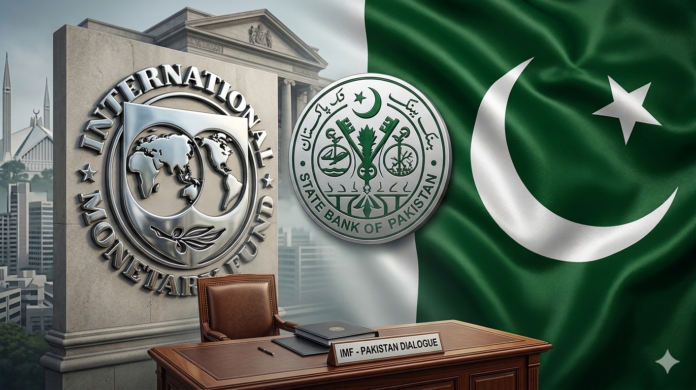

Pakistan Advances Toward Crucial IMF Agreement
Pakistan has taken a significant step forward in its efforts to secure a staff-level agreement with the International Monetary Fund, marking an important milestone in ongoing economic negotiations. Recent developments indicate that both sides are now closer than ever to finalizing a deal that could shape the country’s economic direction in the coming years. The progress comes after the sharing of a draft Memorandum of Economic and Financial Policies, which outlines key reforms, targets, and structural adjustments.
This draft serves as a roadmap for economic stability and reform, and once finalized through mutual consensus, it will pave the way for formal approval. The agreement is expected to play a vital role in stabilizing the economy, restoring investor confidence, and unlocking further financial support.
Draft Policy Framework Sets New Economic Targets
The draft policy document introduces a wide range of new targets for major economic institutions. Key ministries responsible for finance, energy, and petroleum have been assigned fresh performance benchmarks, reflecting a more structured and results-oriented approach to governance.
In addition, revenue authorities have been given ambitious tax collection targets aimed at improving fiscal discipline and increasing government income. Regulatory bodies overseeing critical sectors such as energy and corporate affairs are also expected to meet new standards of efficiency and transparency.
Provincial administrations have not been left out, as they too are required to align with national economic goals and contribute to overall fiscal stability. This coordinated approach highlights the importance of collective responsibility in achieving sustainable economic growth.
Expansion of Tax Net Through Agricultural Income Measures
One of the most notable elements of the draft framework is the inclusion of new taxation measures related to agricultural income. This move signals a broader effort to expand the tax base and ensure that more sectors contribute fairly to national revenues.
Historically, agricultural income has remained under-taxed, limiting the government’s ability to generate sufficient resources. By incorporating this sector into the formal tax system, authorities aim to improve revenue collection while promoting greater equity across different segments of the economy.
This step is also expected to strengthen fiscal sustainability by reducing reliance on external borrowing and enhancing domestic resource mobilization.
Consensus Building Remains the Final Step
While substantial progress has been made, the agreement has not yet been finalized. Officials from both sides are currently working to resolve any remaining differences and reach a consensus on the draft document.
Once mutual agreement is achieved, the finalized draft will be formally submitted for approval. This final step is crucial, as it will determine the timeline for implementation and the release of financial support tied to the agreement.
The ongoing discussions reflect a careful balancing act between meeting reform requirements and ensuring that economic measures remain practical and achievable.
Unresolved Challenges in the Energy Sector
Despite the overall progress, certain challenges remain unresolved, particularly in the energy sector. A proposed plan to address circular debt in the gas sector has not been included in the current draft, indicating that further work is needed to tackle this persistent issue.
Circular debt has long been a major concern, affecting the financial health of energy companies and placing additional pressure on public finances. The absence of a clear resolution in the current framework suggests that this issue may be addressed separately in future negotiations.
Addressing these structural challenges will be essential for achieving long-term economic stability and ensuring the success of broader reform efforts.
Upcoming Budget Discussions and IMF Engagement
Looking ahead, the next phase of engagement will focus on the preparation of the upcoming federal budget. An international delegation is expected to visit Pakistan in the coming weeks to begin formal discussions on budget planning and economic projections.
These discussions will play a critical role in aligning the national budget with agreed economic targets and policy commitments. The goal is to ensure that fiscal policies support growth while maintaining discipline and meeting reform objectives.
The upcoming budget is expected to reflect a careful balance between revenue generation and expenditure management, with a strong emphasis on sustainability and efficiency.
Technical Support for Budget Preparation
In addition to high-level discussions, a technical team will work closely with Pakistani authorities to assist in preparing the budget for the next fiscal year. This collaboration is aimed at ensuring that budgetary decisions are based on accurate data, realistic assumptions, and sound economic analysis.
The technical team is likely to remain engaged for an extended period, providing guidance on key areas such as revenue forecasting, expenditure planning, and policy implementation. Their support will be instrumental in ensuring that the budget aligns with broader economic objectives and reform commitments.
This hands-on approach reflects the importance of detailed planning and coordination in achieving successful economic outcomes.
A Critical Moment for Economic Stability
The progress toward a staff-level agreement represents a critical moment for Pakistan’s economy. Successfully finalizing the deal could unlock much-needed financial support, strengthen macroeconomic stability, and create a more predictable environment for investors.
At the same time, the reforms outlined in the draft framework have the potential to address long-standing structural issues and lay the foundation for sustainable growth. While challenges remain, the ongoing efforts demonstrate a clear commitment to economic reform and stability.
As negotiations move toward completion, the focus will remain on achieving consensus, implementing reforms effectively, and ensuring that the benefits of economic stability are felt across all segments of society.
Read More