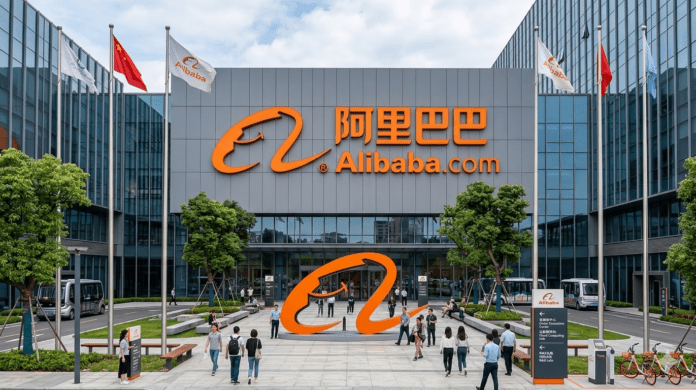

ALIBABA ENTERS PAKISTAN FINTECH MARKET WITH BNPL SERVICES
Alibaba has officially expanded its footprint in Pakistan’s digital economy by entering the country’s regulated financial services sector through a new buy now pay later model. The move marks a major development in Pakistan’s evolving e-commerce and fintech landscape, bringing global-level installment shopping solutions to local consumers.
Through a newly acquired non-banking finance company license, Coco Tech Pakistan, a subsidiary linked to Alibaba’s ecosystem, will now be able to offer installment-based shopping services. This allows customers to purchase products online and pay in smaller monthly installments instead of paying the full amount upfront.
The entry of a global technology giant into Pakistan’s regulated fintech space is being viewed as a significant milestone that could reshape digital payments and online shopping behavior across the country.
WHAT THE NEW BNPL MODEL MEANS FOR PAKISTAN
Buy now pay later services allow consumers to split their purchases into manageable installments over a defined period. This model has already become widely popular in many global markets due to its convenience and flexibility.
In Pakistan, however, the system is still in its early stages of development. The introduction of Alibaba-linked services is expected to accelerate adoption by increasing trust, accessibility, and integration with major online shopping platforms.
For consumers, the biggest advantage is affordability. Many buyers who previously hesitated to shop online due to high upfront costs will now have the option to spread payments over time. This is particularly beneficial for young professionals, students, freelancers, and small business owners who often manage limited cash flow.
The model is typically interest-free or low-cost, depending on the repayment structure and risk profile of the customer. This makes it an attractive alternative to traditional credit systems.
REGULATORY APPROVAL AND FINANCIAL FRAMEWORK
The Securities and Exchange Commission of Pakistan has granted Coco Tech Pakistan a non-banking finance company license, enabling it to operate within the country’s regulated financial environment.
This approval is important because it ensures that BNPL services will operate under formal financial rules, offering greater transparency and consumer protection. It also signals regulatory openness toward fintech innovation and digital financial inclusion.
With this license, Coco Tech will be able to partner with online retailers and e-commerce platforms to integrate installment payment options directly at checkout. This creates a seamless shopping experience where users can select payment plans instantly without lengthy approval processes.
The licensing framework also ensures that risk management, credit evaluation, and repayment tracking are handled within a structured system, reducing potential financial misuse.
BOOST TO E-COMMERCE AND DIGITAL PAYMENTS IN PAKISTAN
Pakistan’s e-commerce sector has been growing steadily over the past few years, driven by increasing smartphone usage, improved internet access, and rising adoption of digital wallets and branchless banking systems.
However, one of the key barriers to growth has been limited consumer purchasing power and lack of flexible payment options. The introduction of BNPL services directly addresses this challenge by making online shopping more accessible to a wider population.
This development is expected to increase conversion rates for online retailers, as customers are more likely to complete purchases when payment flexibility is available. It may also encourage higher average order values, as consumers feel more comfortable buying higher-priced items when costs are spread over time.
For the broader digital economy, this could translate into increased transaction volumes and stronger growth in online retail activity.
COMPETITIVE LANDSCAPE OF BNPL IN PAKISTAN
The buy now pay later segment in Pakistan is still emerging but has shown steady growth in recent years. Several local and regional players have already introduced installment-based shopping solutions.
Fintech platforms and banking institutions have been experimenting with flexible payment options, particularly in collaboration with e-commerce retailers. Despite this progress, overall market penetration remains relatively low compared to more mature international markets.
The entry of a global player like Alibaba is expected to intensify competition and potentially raise industry standards. It may also push existing providers to improve their services, expand coverage, and offer more competitive repayment plans.
As competition increases, consumers are likely to benefit from better pricing, improved user experience, and wider availability of BNPL options across different product categories.
ROLE OF FINTECH IN FINANCIAL INCLUSION
One of the key long-term impacts of BNPL services is improved financial inclusion. In Pakistan, a large portion of the population remains outside the traditional credit system due to lack of credit history or formal banking access.
BNPL models offer an alternative pathway by using digital transaction data and behavioral insights to assess creditworthiness. This allows more people to access financial services without relying solely on conventional banking systems.
For small businesses and freelancers, this can be particularly valuable, as it enables better cash flow management and access to essential goods and services without immediate financial pressure.
Over time, such systems may also contribute to building digital credit histories, which can further integrate users into the formal financial ecosystem.
ALIBABA’S EXPANDING FOOTPRINT IN PAKISTAN
Alibaba’s latest move is not its first engagement with Pakistan’s digital economy. The company has previously established a presence through strategic investments and partnerships in the region’s e-commerce and fintech sectors.
Its involvement in major digital platforms has already helped shape online retail infrastructure and payment ecosystems in the country. The introduction of BNPL services represents a natural extension of this strategy, moving beyond marketplace operations into consumer financing.
Industry observers view this expansion as a sign of long-term confidence in Pakistan’s digital market potential. With a large youth population and increasing internet penetration, the country represents a significant growth opportunity for global technology companies.
There is also growing speculation that further investment initiatives may follow, particularly in areas related to digital payments, logistics, and cloud-based services.
IMPACT ON CONSUMERS AND ONLINE SHOPPING BEHAVIOR
The introduction of buy now pay later services is expected to significantly influence consumer behavior in Pakistan’s online shopping ecosystem.
Shoppers will gain the ability to manage expenses more efficiently by dividing payments into smaller installments. This flexibility can reduce financial pressure and encourage more frequent online purchases.
It may also shift consumer expectations, with installment-based payments becoming a standard feature across major e-commerce platforms. Over time, this could reshape how people perceive affordability and spending in the digital marketplace.
For first-time online shoppers, BNPL may serve as an entry point into digital commerce, increasing overall participation in the e-commerce ecosystem.
FUTURE OUTLOOK FOR DIGITAL FINANCE IN PAKISTAN
The launch of BNPL services under a regulated framework marks an important step in Pakistan’s financial evolution. It reflects a broader trend toward digitization, where traditional financial systems are increasingly integrated with technology-driven solutions.
As adoption grows, more financial institutions and fintech companies are expected to enter the market with similar offerings. This could lead to rapid innovation in payment systems, credit evaluation models, and consumer financing products.
The long-term success of BNPL in Pakistan will depend on regulatory balance, responsible lending practices, and continued growth of digital infrastructure.
If managed effectively, this sector has the potential to significantly enhance financial accessibility and reshape the future of retail and consumer finance in the country.
Read More
Pakistani Rupee Climbs to 278 Against Dollar, Hits Highest Level in Nearly Two Years