
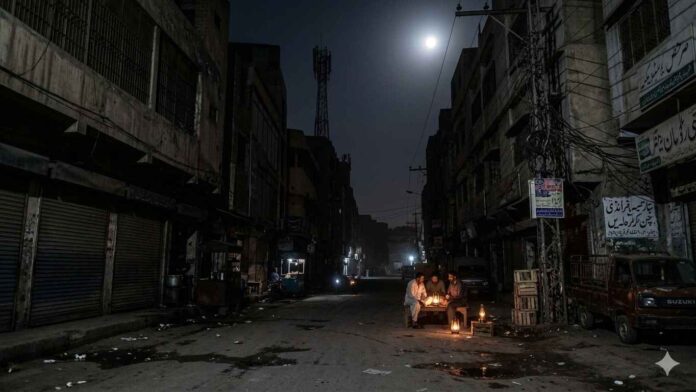

Pakistan witnessed a significant improvement in its power supply situation as no load shedding was reported during peak hours on the night of April 29. This development marks a positive shift in the country’s energy landscape, where electricity shortages during high-demand periods have long been a persistent challenge. The improved situation was made possible through a combination of increased hydropower generation and enhanced availability of local gas, both of which contributed to higher electricity output and better grid stability.
The absence of power outages during peak demand hours offers a sense of relief to households, businesses, and industries that have historically faced disruptions in electricity supply. It also highlights the impact of strategic resource management and operational adjustments in improving energy delivery across the country.
Hydropower Generation Plays a Key Role
A major factor behind the improved power supply was the substantial increase in hydropower generation. Electricity produced from water sources reached around 6,000 megawatts during the night, a notable contribution considering the country’s total installed hydropower capacity stands at approximately 11,500 megawatts.
Hydropower remains one of the most cost-effective and reliable sources of electricity in Pakistan, especially during periods of adequate water availability. Higher water flows enable increased power generation without the need for expensive fuel imports, making it a critical component of the national energy mix.
The surge in hydropower output not only boosted overall electricity generation but also helped reduce reliance on thermal power plants, which are often subject to fuel constraints and higher operational costs.
Local Gas Supply Enhances Electricity Output
In addition to hydropower, the increased supply of local gas to power plants played a crucial role in improving electricity generation. By ensuring that more plants had access to fuel, authorities were able to bring additional capacity online and meet rising demand during peak hours.
Local gas serves as an important energy source for power generation, offering a more stable and cost-effective alternative compared to imported fuels. The enhanced availability of gas allowed for better utilization of existing power plants, contributing to a more balanced and efficient energy system.
This combined approach of maximizing hydropower and optimizing local gas usage demonstrates the importance of resource diversification in managing energy challenges.
Improved Grid Stability Across the Country
The increase in electricity generation also led to improved stability of the national grid, particularly in the southern region. Grid stability is essential for ensuring consistent power supply, as fluctuations can lead to outages or disruptions.
With higher hydropower output and additional gas-fired generation, the system was better equipped to handle demand without experiencing significant stress. This stability made it possible to integrate additional electricity into the grid, further strengthening supply.
The ability to maintain a stable grid during peak hours is a critical achievement, as it reduces the risk of sudden outages and enhances the overall reliability of the power system.
Additional Capacity Added to the National System
As part of the improved supply conditions, an additional 100 megawatts of electricity was successfully added to the national system. This incremental increase, while relatively small in comparison to total demand, played a meaningful role in closing the supply gap and ensuring uninterrupted power during peak hours.
Furthermore, around 500 megawatts of electricity was transmitted from the southern region, contributing to the overall availability of power. Efficient transmission and distribution of electricity are key factors in ensuring that generated power reaches consumers without significant losses.
These developments highlight the importance of coordinated efforts across generation, transmission, and distribution systems in achieving reliable power supply.
Understanding Economic Load Management
While peak-hour load shedding was avoided, economic load management continued on high-loss feeders. This practice involves controlling electricity supply in areas where distribution losses are high, often due to inefficiencies, theft, or non-payment of bills.
Economic load management is implemented as part of an existing policy aimed at reducing financial losses in the power sector. It is distinct from peak-hour load shedding, which is typically driven by supply shortages during periods of high demand.
By maintaining economic load management, authorities aim to improve the financial sustainability of the power sector while ensuring that overall supply remains stable.
Challenges from LNG Shortages
Despite the positive developments, challenges remain in the form of liquefied natural gas shortages. Power plants with a combined capacity of approximately 4,700 megawatts are currently offline due to limited availability of this fuel.
LNG is an important component of Pakistan’s energy mix, particularly for thermal power generation. However, global market conditions have affected supply and pricing, leading to constraints in domestic availability.
The absence of these power plants from the system represents a significant gap in potential generation capacity. Addressing LNG supply issues will be crucial for maintaining and further improving electricity availability.
Impact of Global Energy Conditions
Global energy markets continue to influence Pakistan’s power sector, particularly in terms of fuel availability and pricing. Fluctuations in international markets can affect the cost and supply of imported fuels such as LNG, creating challenges for energy planning.
These external factors highlight the importance of strengthening domestic energy resources and reducing dependence on imports. By focusing on local sources such as hydropower and gas, the country can mitigate the impact of global volatility.
At the same time, strategic planning and diversification remain essential to ensure long-term energy security.
Prospects for Eliminating Nighttime Shortfalls
Officials have indicated that the remaining nighttime electricity shortfall could be eliminated once LNG supplies improve and water releases increase. This suggests that the current improvements in power supply may be further enhanced in the coming weeks or months.
Increased water availability can lead to higher hydropower generation, while improved LNG supply can bring additional thermal capacity back online. Together, these factors can help close the remaining gaps in electricity supply.
Achieving a consistent balance between supply and demand will be key to sustaining the progress made so far.
Benefits for Consumers and Businesses
The absence of load shedding during peak hours brings significant benefits for both consumers and businesses. For households, uninterrupted power supply means greater comfort, improved productivity, and reduced reliance on backup solutions such as generators and batteries.
For businesses, consistent electricity availability is essential for maintaining operations, reducing costs, and improving efficiency. Industries that depend on continuous power can operate more effectively without the disruptions caused by outages.
This improvement in power supply can also contribute to economic growth by supporting commercial activity and enhancing investor confidence.
Role of Resource Management in Energy Stability
The recent developments highlight the importance of effective resource management in achieving energy stability. By optimizing the use of available resources such as hydropower and local gas, authorities were able to improve electricity supply without relying heavily on imports.
This approach not only enhances efficiency but also reduces costs and environmental impact. Strategic planning and coordination across different energy sources are essential for building a resilient power system.
Continued focus on resource optimization will be crucial for maintaining and expanding these gains.
Future Outlook for Pakistan’s Power Sector
The improvement in peak-hour power supply offers a positive outlook for Pakistan’s energy sector. While challenges remain, particularly in terms of fuel availability and infrastructure, the recent progress demonstrates that targeted measures can yield tangible results.
Looking ahead, investments in renewable energy, infrastructure upgrades, and policy reforms will play a key role in shaping the future of the power sector. Expanding hydropower capacity, improving gas supply, and addressing transmission losses are among the priorities for sustained improvement.
The goal of achieving a reliable, affordable, and sustainable energy system will require continued effort and collaboration across all stakeholders.
Conclusion
The elimination of peak-hour load shedding on April 29 marks an important milestone in Pakistan’s ongoing efforts to stabilize its power supply. Increased hydropower generation and improved local gas availability have demonstrated the potential for achieving reliable electricity delivery even during high-demand periods.
While challenges such as LNG shortages and economic load management persist, the progress made highlights the effectiveness of strategic resource utilization and operational improvements. With continued focus on strengthening the energy system, Pakistan can move closer to ensuring uninterrupted power supply for all sectors of society.
Read More