
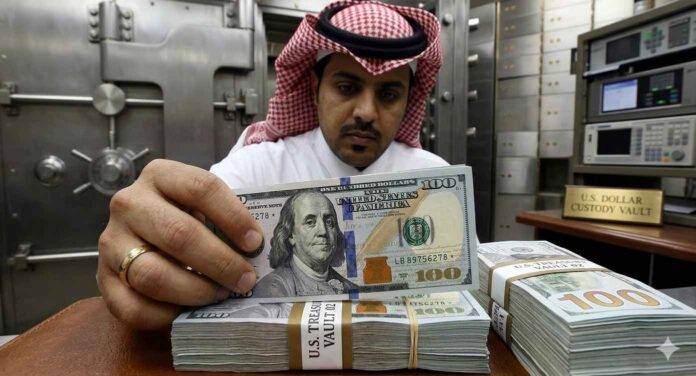

SAUDI ARABIA INJECTS $2 BILLION INTO PAKISTAN’S CENTRAL BANK
Pakistan has received a significant financial boost as Saudi Arabia deposited $2 billion into the country’s central bank, strengthening its foreign exchange reserves at a critical time. The inflow comes amid ongoing economic challenges, rising external liabilities, and the need to maintain financial stability in a fragile macroeconomic environment.
The fresh funds have been credited directly to the central bank’s reserves, providing immediate relief and reinforcing the country’s capacity to manage external obligations. This development reflects the continued financial cooperation between the two nations and highlights the importance of strategic partnerships in navigating economic uncertainties.
A CRUCIAL BOOST TO FOREIGN EXCHANGE RESERVES
The injection of $2 billion into Pakistan’s central bank reserves is expected to have an immediate and visible impact on the country’s external financial position. Foreign exchange reserves serve as a critical buffer against economic shocks, helping to stabilize the currency, finance imports, and meet international debt obligations.
In recent months, Pakistan has faced persistent pressure on its reserves due to rising import costs, debt servicing requirements, and limited inflows of foreign currency. The latest deposit helps offset these pressures by increasing the overall reserve level, thereby improving the country’s financial outlook in the short term.
A stronger reserve position enhances the confidence of international investors and lenders, signaling that the country has the resources needed to meet its commitments. It also provides the central bank with greater flexibility in managing exchange rate volatility and ensuring liquidity in the foreign exchange market.
TIMING OF THE DEPOSIT AND ECONOMIC CONTEXT
The timing of the Saudi deposit is particularly significant. Pakistan is currently navigating a challenging economic landscape characterized by tight fiscal conditions, inflationary pressures, and ongoing negotiations with international financial institutions.
At a time when external financing needs are high, the inflow of $2 billion offers much-needed breathing space. It helps bridge immediate funding gaps and supports the country’s efforts to maintain macroeconomic stability.
The deposit also comes in the same period as the withdrawal of a similar amount from another bilateral arrangement. By effectively replacing outgoing funds, the new inflow ensures that reserve levels do not experience a sharp decline, which could have triggered additional market uncertainty.
LONG-STANDING FINANCIAL SUPPORT FROM SAUDI ARABIA
Saudi Arabia has been a consistent and reliable financial partner for Pakistan over the years. The relationship between the two countries extends beyond diplomatic and strategic ties to include substantial economic cooperation.
Financial support has taken various forms, including direct deposits in the central bank, deferred oil payment facilities, and rollover agreements that allow existing loans to be extended rather than repaid immediately. These measures have played a crucial role in stabilizing Pakistan’s economy during periods of financial stress.
Since 2018, Saudi assistance has helped Pakistan navigate multiple economic crises, including balance of payments challenges and periods of heightened default risk. The ability to secure such support has been instrumental in maintaining investor confidence and ensuring continuity in economic management.
ROLE IN AVOIDING DEFAULT RISKS
One of the most significant contributions of Saudi financial assistance has been its role in helping Pakistan avoid default. During times when reserves were critically low and external obligations were mounting, these deposits provided a vital lifeline.
By bolstering reserves, Saudi support has enabled Pakistan to meet its debt repayment schedules and maintain compliance with the requirements of international lending programs. This has been essential in preventing a loss of confidence that could have led to severe economic consequences.
The rollover of previous deposits has also been a key factor. Instead of withdrawing funds at maturity, Saudi authorities have often agreed to extend the tenure, allowing Pakistan to retain the funds in its reserves. This continuity has provided stability and predictability in an otherwise volatile financial environment.
IMPACT ON CURRENCY STABILITY AND MARKET CONFIDENCE
The addition of $2 billion to the central bank’s reserves is expected to have a stabilizing effect on the national currency. Exchange rate stability is closely linked to the level of foreign reserves, as higher reserves provide greater assurance that the country can meet its foreign currency obligations.
A stronger reserve position reduces the likelihood of sharp currency depreciation, which can have inflationary effects and increase the cost of imports. By improving confidence in the currency, the deposit helps create a more stable economic environment for businesses and consumers.
Market sentiment is also likely to improve as a result of the inflow. Investors, both domestic and international, closely monitor reserve levels as an indicator of economic health. An increase in reserves can signal improved financial resilience and reduce perceived risk.
SUPPORT FOR ONGOING ECONOMIC STABILIZATION EFFORTS
Pakistan is currently engaged in a broader effort to stabilize its economy, which includes fiscal reforms, monetary tightening, and structural adjustments. Maintaining adequate foreign reserves is a key component of this strategy.
The Saudi deposit supports these efforts by ensuring that the country meets the reserve thresholds required under various financial arrangements. This is particularly important for maintaining access to external funding and securing future assistance from international partners.
By providing immediate liquidity, the deposit allows policymakers to focus on implementing long-term reforms without the constant pressure of short-term funding constraints. This creates a more conducive environment for sustainable economic recovery.
RELATIONSHIP BETWEEN BILATERAL SUPPORT AND GLOBAL LENDING PROGRAMS
Bilateral financial support from friendly countries often plays a complementary role to global lending programs. In many cases, maintaining a certain level of reserves is a prerequisite for accessing funds from international institutions.
Saudi Arabia’s deposit helps Pakistan meet these requirements, thereby facilitating continued engagement with global lenders. This interconnected support system is crucial for managing large-scale economic challenges and ensuring access to necessary resources.
The coordination between bilateral partners and international institutions highlights the importance of a diversified support network. It allows Pakistan to leverage multiple sources of funding while maintaining a balanced approach to economic management.
CHALLENGES AND LIMITATIONS OF EXTERNAL SUPPORT
While the $2 billion deposit provides immediate relief, it is not a permanent solution to Pakistan’s economic challenges. External support, though essential, must be complemented by domestic reforms to achieve long-term stability.
Reliance on foreign assistance can create vulnerabilities, particularly if such support becomes uncertain or conditional. Therefore, it is important for Pakistan to strengthen its internal economic fundamentals, including revenue generation, export growth, and industrial development.
The current situation underscores the need for a comprehensive strategy that combines external financing with structural reforms. Only by addressing underlying issues can the country reduce its dependence on external support and build a more resilient economy.
OUTLOOK FOR PAKISTAN’S ECONOMY
The latest financial injection from Saudi Arabia provides a positive signal for Pakistan’s economic outlook in the short term. It enhances the country’s ability to manage immediate challenges and supports ongoing stabilization efforts.
However, the long-term outlook will depend on the effectiveness of policy measures and the ability to implement meaningful reforms. Strengthening the economy requires sustained efforts to improve productivity, attract investment, and enhance competitiveness.
The role of international partnerships will continue to be important, but it must be complemented by a strong domestic foundation. Achieving this balance will be key to ensuring sustainable growth and financial stability.
CONCLUSION
The $2 billion deposit from Saudi Arabia represents a significant boost to Pakistan’s central bank reserves at a critical juncture. It provides immediate relief, supports currency stability, and reinforces confidence in the country’s financial system.
At the same time, it highlights the ongoing reliance on external support to navigate economic challenges. While such assistance is invaluable, it also underscores the importance of pursuing long-term reforms to achieve self-sufficiency.
As Pakistan continues its journey toward economic stability, the combination of strategic partnerships and sound policy decisions will play a defining role in shaping its future.
Read More
Government Faces Criticism for Taxing Unrealized Property Income in Pakistan