
A High-Stakes Diplomatic Proposal Emerges
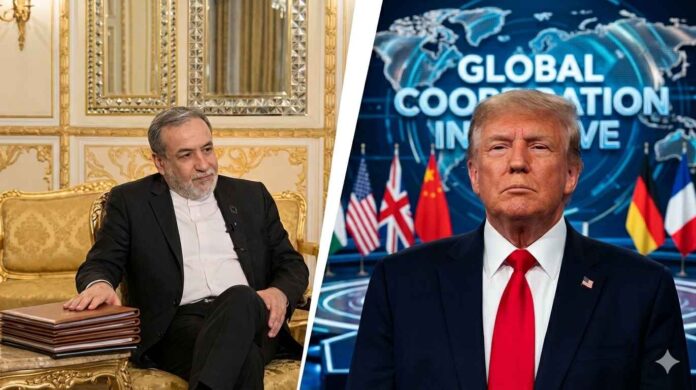
A significant geopolitical development is unfolding as the United States explores a complex “cash-for-uranium” framework with Iran. The proposed arrangement is part of a broader effort to resolve long-standing tensions tied to Iran’s nuclear program and to establish a more stable security environment in the Middle East.
The framework, reportedly outlined in a concise three-page agreement, seeks to address multiple issues simultaneously. It combines financial incentives, nuclear disarmament measures, and strict monitoring mechanisms in an attempt to reach a lasting resolution to one of the most sensitive international disputes.
At the core of the proposal lies a bold idea: the release of approximately $20 billion in frozen Iranian assets in exchange for Iran surrendering its stockpile of highly enriched uranium. This approach reflects a strategic shift toward negotiation and compromise rather than confrontation.
Understanding the “Cash-for-Uranium” Concept
The concept behind the deal is both straightforward and controversial. Iran would transfer its reserves of highly enriched uranium, which are often viewed as a potential pathway to nuclear weapons, in exchange for access to funds that have been frozen under international sanctions.
This exchange aims to reduce immediate nuclear risks while providing Iran with economic relief. By removing or neutralizing enriched uranium, the deal seeks to limit Iran’s capacity to rapidly advance toward weaponization, thereby addressing key concerns of Western nations and regional actors.
However, the financial component of the deal has sparked debate. Critics argue that releasing such a large sum of money could strengthen Iran’s economic position without guaranteeing long-term compliance. Supporters, on the other hand, view it as a pragmatic solution that aligns incentives with desired outcomes.
Details of Uranium Transfer and Processing
The reported framework includes multiple pathways for handling Iran’s enriched uranium stockpile. One option involves transferring a portion of the material to a third country, effectively removing it from Iranian territory and placing it under international oversight.
Another component of the plan involves down-blending uranium within Iran itself. This process reduces the level of enrichment, making the material unsuitable for weapons use while still allowing it to be utilized for peaceful purposes such as energy production or research.
Both approaches would be carried out under strict international monitoring to ensure transparency and compliance. Verification mechanisms are expected to play a central role in the agreement, providing assurances to all parties involved.
Continued Nuclear Research Under Strict Conditions
An important aspect of the proposal is that it does not completely dismantle Iran’s nuclear capabilities. Instead, it allows for the continuation of nuclear research under tightly controlled conditions.
Iran would be permitted to operate nuclear research reactors, particularly those used for producing medical isotopes. These isotopes have significant applications in healthcare, including cancer treatment and diagnostic procedures.
To address security concerns, all permitted nuclear facilities would need to remain above ground and accessible to international inspectors. This requirement is intended to prevent the development of covert facilities and ensure that all activities remain transparent and verifiable.
Pakistan’s Emerging Role in Diplomatic Negotiations
The reported plan also highlights an evolving diplomatic landscape, with Pakistan positioned as a potential host for critical negotiations. A second round of talks between the United States and Iran is expected to take place in Islamabad, underscoring the country’s growing importance in facilitating high-level discussions.
Hosting such negotiations places Pakistan at the center of a major international diplomatic effort. It reflects confidence in the country’s ability to provide a neutral and secure environment for sensitive talks.
This development could enhance Pakistan’s global standing and open new avenues for diplomatic engagement. It also demonstrates how regional players can contribute to resolving complex global challenges.
Political Reactions and Controversy
The scale and nature of the proposed deal have triggered intense political reactions across different regions. In the United States, the idea of releasing billions of dollars to Iran is likely to face scrutiny from policymakers and the public.
Critics may argue that the deal could be perceived as rewarding a country that has been subject to sanctions for its nuclear activities. Concerns about the potential use of released funds and the reliability of long-term compliance are expected to dominate the debate.
In Iran, the proposal may also generate mixed reactions. While access to frozen assets would provide significant economic relief, agreeing to surrender enriched uranium could be viewed as a major concession.
Balancing these domestic and international pressures will be a key challenge for negotiators as they work toward finalizing the agreement.
Strategic Implications for the Middle East
If implemented successfully, the deal could have far-reaching implications for the Middle East. Reducing nuclear tensions between the United States and Iran could ease regional conflicts and create opportunities for broader cooperation.
The agreement could also influence the strategic calculations of other countries in the region, particularly those that have expressed concerns about Iran’s nuclear ambitions. A verifiable reduction in nuclear capabilities may help build confidence and reduce the likelihood of escalation.
At the same time, the deal would need to address the broader security environment, including existing rivalries and geopolitical dynamics. Ensuring that all stakeholders feel secure will be essential for maintaining long-term stability.
Economic Impact of Releasing Frozen Assets
The potential release of $20 billion in frozen assets represents a significant economic development for Iran. Access to these funds could provide a boost to the country’s economy, supporting infrastructure, trade, and domestic industries.
For global markets, the deal could signal a shift toward greater stability in the region, potentially influencing energy prices and investment patterns. Reduced geopolitical risk often leads to increased investor confidence and improved economic conditions.
However, the economic impact will depend on how the funds are utilized and whether the agreement leads to sustained improvements in relations between Iran and the international community.
Verification and Enforcement Challenges
One of the most critical aspects of the proposed deal is the implementation of robust verification and enforcement mechanisms. Ensuring compliance will require continuous monitoring, transparency, and cooperation from all parties involved.
International inspectors would likely play a central role in overseeing uranium transfer, down-blending processes, and the operation of nuclear facilities. Advanced technologies and regular inspections would be necessary to maintain confidence in the agreement.
Enforcement mechanisms must also be clearly defined, outlining the consequences of any violations. Without strong enforcement provisions, the credibility of the deal could be undermined.
A Shift Toward Diplomatic Solutions
The emergence of this proposal reflects a broader shift toward diplomatic solutions in addressing complex international challenges. Rather than relying solely on sanctions or military pressure, the approach emphasizes negotiation, compromise, and mutual benefit.
This shift highlights the importance of dialogue in resolving conflicts that have persisted for years. By focusing on practical solutions and shared interests, policymakers aim to achieve outcomes that are both effective and sustainable.
The success of this approach will depend on the willingness of all parties to engage constructively and uphold their commitments.
Uncertainty and the Path Forward
Despite the potential benefits, the deal remains in the negotiation phase, with many details still subject to change. Uncertainty surrounding key aspects of the agreement means that its final outcome is not yet guaranteed.
Negotiators will need to address technical, political, and logistical challenges as they work toward a finalized framework. The upcoming round of talks is expected to play a crucial role in determining whether the proposal can move forward.
As discussions continue, global attention will remain focused on the progress of negotiations and their potential impact on international relations.
Conclusion: A Defining Moment in Nuclear Diplomacy
The proposed $20 billion deal between the United States and Iran represents a bold and potentially transformative step in nuclear diplomacy. By linking financial incentives with disarmament measures, the framework seeks to address one of the most pressing security challenges of our time.
If successfully implemented, the agreement could reduce nuclear risks, stabilize the Middle East, and open new pathways for cooperation. However, achieving these outcomes will require careful negotiation, strong verification mechanisms, and sustained political will.
As the world watches closely, the coming days and weeks will be critical in shaping the future of this high-stakes diplomatic effort.
Read More