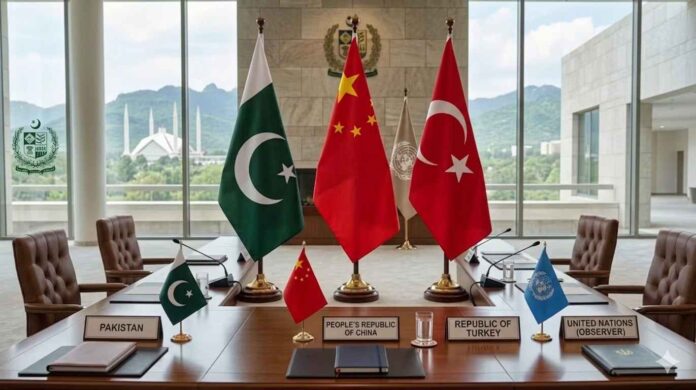

Global oil markets witnessed a sudden and dramatic shift as prices began to fall sharply following news that Iran had delivered a final ceasefire proposal to the United States through diplomatic channels involving Pakistan. The development triggered an immediate reaction in energy markets, reversing earlier gains and highlighting how sensitive oil prices remain to geopolitical developments.
Within minutes of the news emerging, oil benchmarks started to decline, signaling a shift in investor sentiment and expectations. Traders who had previously priced in the risk of prolonged conflict began to reassess their positions as hopes for de-escalation gained momentum.
Rapid Market Reaction to Diplomatic Breakthrough
The response from global oil markets was swift and decisive. Prices that had been elevated due to geopolitical uncertainty quickly retreated as the possibility of reduced tensions became more likely.
Earlier in the day, oil had surged to exceptionally high levels amid fears of escalation and disruption to supply routes. However, the announcement of a peace proposal altered market expectations almost instantly.
Such rapid price movements are not uncommon in the oil market, where geopolitical developments can have an outsized impact. The speed at which prices adjusted underscores the importance of political stability in determining energy costs.
Oil Prices Reverse Earlier Surge
Before the news of the peace proposal, oil prices had climbed significantly, driven by concerns over potential conflict and its impact on supply chains. At one point, prices had risen to levels that reflected heightened risk premiums.
However, following the diplomatic development, prices dropped sharply, erasing a substantial portion of earlier gains. The decline marked a significant turnaround, with oil falling by a notable margin within a short period.
This reversal illustrates the volatility inherent in global energy markets, where sentiment can shift rapidly based on new information.
Impact on Key Oil Benchmarks
Major oil benchmarks reflected the shift in market sentiment. Brent crude, which had earlier reached elevated levels, dropped significantly as the news spread. Similarly, the Western Texas Intermediate benchmark also declined, moving to lower levels as traders adjusted their expectations.
These benchmarks serve as key indicators of global oil prices, and their movements provide insight into broader market trends. The decline in both benchmarks suggests a widespread reassessment of risk among investors.
The narrowing gap between earlier highs and current levels highlights the extent of the market’s reaction to the potential for reduced tensions.
Geopolitical Tensions and Market Sensitivity
The oil market is highly sensitive to geopolitical events, particularly those involving major oil-producing regions or key transit routes. Any disruption or perceived threat to supply can lead to sharp price increases.
Conversely, developments that signal stability or reduced risk can lead to declines in prices. The latest situation demonstrates how quickly markets can respond to changes in the geopolitical landscape.
The role of diplomacy in influencing market outcomes is evident, as even the prospect of a ceasefire can have a significant impact on prices.
Role of Pakistan in Diplomatic Channels
Pakistan’s involvement as a mediator in the delivery of the proposal highlights its role in facilitating communication between key parties. Acting as a channel for diplomatic engagement can help reduce tensions and create opportunities for dialogue.
Such involvement underscores the importance of intermediary countries in international relations, particularly in situations where direct communication may be limited or challenging.
By serving as a bridge, mediators can contribute to de-escalation efforts and support stability in the region.
Earlier Surge Driven by Conflict Fears
The earlier rise in oil prices was fueled by concerns over potential escalation and its impact on global supply. Rumors and speculation about strategic developments contributed to a sense of uncertainty in the market.
These fears led to increased buying activity, pushing prices higher as traders sought to hedge against potential disruptions. The resulting surge reflected the perceived risk associated with the situation.
However, as new information emerged, these concerns began to ease, leading to a reversal in price trends.
Volatility Highlights Market Uncertainty
The sharp rise and subsequent fall in oil prices highlight the volatility of the market and the uncertainty that often accompanies geopolitical events. Prices can fluctuate significantly within short periods, creating challenges for both investors and policymakers.
This volatility underscores the importance of accurate information and timely decision-making in managing market risks. It also highlights the interconnected nature of global markets, where developments in one region can have far-reaching effects.
Implications for Global Economy
Changes in oil prices have significant implications for the global economy. Lower prices can reduce costs for businesses and consumers, supporting economic activity and growth.
Conversely, higher prices can increase inflationary pressures and strain budgets, particularly in countries that rely heavily on imported energy.
The recent decline in prices may provide some relief to economies facing high energy costs, although the overall impact will depend on the duration and stability of the trend.
Effect on Energy Markets and Consumers
For consumers, falling oil prices can translate into lower fuel costs, reducing the financial burden associated with transportation and energy use. This can have a positive effect on household budgets and overall economic well-being.
In energy markets, price changes can influence investment decisions, production levels, and supply strategies. Companies may adjust their plans based on expectations of future prices, affecting the overall dynamics of the sector.
The interplay between supply, demand, and geopolitical factors continues to shape the direction of energy markets.
Investor Sentiment and Market Outlook
Investor sentiment plays a crucial role in determining market movements. The shift from concern to cautious optimism following the peace proposal reflects a change in expectations about future developments.
If diplomatic efforts continue to progress, markets may stabilize further, reducing volatility and supporting more predictable price trends. However, any setbacks or renewed tensions could lead to another round of fluctuations.
The outlook for oil prices will depend on a combination of geopolitical developments, economic conditions, and market dynamics.
Long-Term Considerations for Energy Stability
While short-term price movements are influenced by immediate events, long-term stability in energy markets requires broader structural changes. Diversification of energy sources, investment in renewable technologies, and improved efficiency can help reduce dependence on volatile fossil fuel markets.
Geopolitical stability also plays a key role in ensuring consistent supply and predictable pricing. Efforts to resolve conflicts and promote cooperation can contribute to a more stable energy environment.
Conclusion
The sharp drop in oil prices following the transmission of a peace proposal through diplomatic channels highlights the powerful influence of geopolitical developments on global markets. Within minutes, sentiment shifted, leading to a significant reversal in prices.
This episode serves as a reminder of the interconnected nature of politics and economics, where developments in one area can have immediate and far-reaching effects. As markets continue to respond to evolving परिस्थितियाँ, the focus will remain on achieving stability and reducing uncertainty.
The coming days will be crucial in determining whether the current trend continues, with the potential for lasting impact on both energy markets and the global economy.
Read More
Power Minister Claims Load Shedding to End After April Crisis