
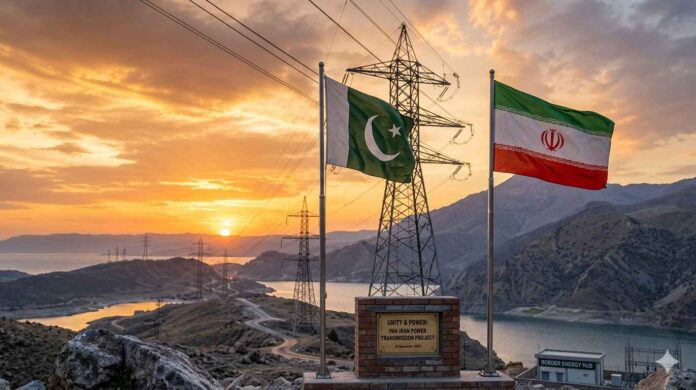

Pakistan is moving ahead with plans to import an additional 100 megawatts of electricity from Iran in a major development aimed at improving power supply in the country’s southwestern region. The latest decision comes after the approval of a revised tariff framework for both the existing 104MW electricity import arrangement and the proposed additional supply through expanded transmission infrastructure.
The move is expected to strengthen electricity availability in Balochistan, particularly in the Makran division, where dependence on imported electricity has remained critical for years due to inadequate domestic generation and transmission capacity. Authorities believe the expanded electricity import arrangement will help stabilize supply, reduce load shedding, and support economic activity in remote coastal areas.
The approval also reflects Pakistan’s continuing efforts to address long-standing energy shortages through regional cooperation while balancing the country’s broader power sector reforms and infrastructure modernization plans.
Pakistan Expands Long-Standing Electricity Import Agreement
Pakistan and Iran have maintained electricity trade relations for more than two decades. The original agreement for power imports was signed in 2002 to support electricity demand in border regions where extending Pakistan’s national grid remained difficult and financially challenging.
Over the years, the agreement has undergone multiple amendments to accommodate growing demand, technical adjustments, payment mechanisms, and tariff revisions. The latest development marks another important phase in the bilateral energy relationship as Pakistan seeks to secure additional electricity for areas facing persistent power shortages.
The existing arrangement already provides 104MW of electricity to Pakistan. Under the newly approved framework, an additional 100MW will be supplied through upgraded transmission infrastructure connecting the two neighboring countries.
Officials believe the expansion is essential for ensuring uninterrupted electricity in the Makran region, where local power generation remains limited and alternative supply sources are currently unavailable.
Importance of Iranian Electricity for Balochistan
The Makran division, which includes coastal districts such as Gwadar, Turbat, and Panjgur, has long struggled with electricity shortages due to limited infrastructure and insufficient integration with Pakistan’s national power grid.
Rapid population growth, urban development, and economic expansion in these areas have significantly increased electricity demand in recent years. Gwadar in particular has emerged as a strategically important port city with growing industrial and commercial activity under regional development initiatives.
However, electricity infrastructure development has not kept pace with demand. Local residents and businesses frequently face power outages, voltage fluctuations, and unreliable supply, affecting economic productivity and daily life.
Imported electricity from Iran has therefore become a crucial source of energy for the region. Authorities have repeatedly acknowledged that there is currently no immediate domestic alternative capable of replacing imported power for the Makran area.
The additional 100MW supply is expected to provide much-needed relief by supporting residential consumers, commercial establishments, and industrial operations while improving overall grid stability in the region.
Revised Tariff Framework Introduced
The newly approved tariff structure introduces significant changes in the pricing mechanism for imported electricity. Under the updated formula, the tariff will consist of both fixed and variable components linked to international oil prices.
The revised pricing model aims to create a more transparent and flexible mechanism that reflects fluctuations in global energy markets. According to the approved arrangement, the delivered electricity tariff is expected to remain within a range of approximately 12.40 cents per kilowatt hour.
The inclusion of oil price-linked adjustments means that future electricity costs may vary depending on changes in international crude oil markets. This mechanism is intended to ensure fair pricing for both sides while maintaining the financial sustainability of the agreement.
Energy experts believe the revised tariff formula could help provide greater predictability in long-term electricity procurement planning. However, it may also expose Pakistan to price volatility if global oil prices experience sharp increases.
Key Amendments to the Power Purchase Agreement
The latest electricity import arrangement includes several amendments to the long-standing power purchase agreement between the two countries.
One of the amendments extends the tariff terms and settlement arrangements for the existing electricity supply. Under the revised framework, payment settlements must be completed within a specified period to ensure smooth continuation of supply and avoid financial disputes.
Another amendment focuses on the additional 100MW electricity import through the Polan-Gabd transmission line. This expansion requires infrastructure development on both sides of the border to facilitate the increased flow of electricity.
Technical modifications related to transmission systems, operational coordination, and energy delivery mechanisms have also been incorporated into the updated agreement.
These amendments collectively aim to modernize the electricity import framework while addressing operational challenges that have emerged over the years.
Regulatory Concerns Over Delayed Approvals
Despite approving the expanded electricity import framework, regulators expressed serious concerns regarding procedural shortcomings and repeated delays in obtaining prior approvals for amendments to the agreement.
Authorities criticized the practice of submitting agreements for regulatory clearance after they had already been executed. According to the regulatory framework governing electricity procurement, prior approval is required before implementing such agreements.
Officials noted that requests related to tariff extensions were submitted significantly later than expected, even though they covered earlier operational periods. Concerns were raised that previous instructions regarding timely submissions had not been followed properly.
Regulators warned that continued procedural violations and delayed approvals could result in stricter scrutiny and possible regulatory consequences in the future.
The criticism highlights broader governance and administrative challenges within Pakistan’s energy sector, where delays in decision-making and weak institutional coordination have often affected infrastructure projects and procurement processes.
Energy Security Challenges Continue
Pakistan’s decision to import additional electricity from Iran also reflects the country’s broader energy security challenges.
The country continues to face significant pressure from rising electricity demand, circular debt, transmission losses, and high generation costs. Frequent power shortages and financial stress within the energy sector have remained major concerns for policymakers and consumers alike.
In recent years, Pakistan has attempted to diversify its energy mix through investments in renewable energy, hydropower projects, liquefied natural gas imports, and regional electricity trade. However, infrastructure limitations and financial constraints have slowed progress in several areas.
Imported electricity from neighboring countries has therefore become an important short-term solution for addressing regional supply gaps, particularly in border areas where domestic transmission expansion is costly and time-consuming.
The additional supply from Iran is expected to improve electricity reliability in underserved regions while reducing pressure on Pakistan’s already strained national grid.
Economic Impact of Improved Electricity Supply
Reliable electricity supply plays a critical role in economic development, especially in remote and underdeveloped regions. The additional power import arrangement is expected to support economic activity in Balochistan by improving energy availability for households, businesses, and industrial consumers.
Small businesses, shops, hotels, fisheries, and manufacturing units in coastal areas often suffer losses due to unstable electricity supply. Frequent outages disrupt operations, increase operating costs, and discourage investment.
Improved electricity availability can help strengthen commercial activity, create employment opportunities, and support local industries. Stable power supply is also essential for attracting future investment in Gwadar and surrounding areas, where infrastructure development remains a national priority.
The expansion of electricity imports may also contribute to improving public services such as hospitals, schools, water supply systems, and telecommunications infrastructure.
For residents of Makran, the additional electricity supply could lead to better living conditions and reduced dependence on expensive backup power solutions such as diesel generators.
Infrastructure Development Remains Essential
While the additional electricity import is expected to provide short-term relief, experts emphasize that Pakistan must continue investing in long-term infrastructure development to ensure sustainable energy security.
Transmission and distribution infrastructure in many parts of Balochistan remains outdated and underdeveloped. Expanding and modernizing the national grid will require significant financial investment, technical planning, and institutional coordination.
Energy planners have repeatedly highlighted the need for domestic power generation projects in underserved regions to reduce dependence on imported electricity over the long term.
Renewable energy sources such as solar and wind power are considered particularly promising for Balochistan due to the province’s favorable climate conditions and vast geographical area. Several renewable energy projects have been proposed, but implementation has remained slow.
Experts argue that combining imported electricity with domestic renewable energy expansion could help create a more balanced and resilient energy system for the region.
Regional Energy Cooperation Gains Importance
The expansion of electricity trade between Pakistan and Iran also reflects the growing importance of regional energy cooperation in South Asia and the broader region.
Cross-border energy trade has increasingly become a practical solution for countries facing supply shortages, infrastructure limitations, and rising energy demand. Regional electricity connectivity can improve efficiency, reduce costs, and strengthen energy security for participating countries.
Pakistan has explored multiple regional energy projects over the years, including electricity imports from Central Asia and natural gas pipeline initiatives. However, geopolitical challenges, financing issues, and regulatory hurdles have delayed several major projects.
The continuation and expansion of electricity imports from Iran demonstrate that bilateral energy cooperation remains an important component of Pakistan’s broader energy strategy.
Analysts believe future regional energy integration could play a significant role in addressing long-term electricity shortages and improving economic connectivity across neighboring countries.
Future Outlook for Pakistan’s Power Sector
Pakistan’s approval of additional electricity imports from Iran represents both an opportunity and a reminder of the structural challenges facing the country’s energy sector.
On one hand, the expanded arrangement offers immediate relief for power-starved regions and supports economic activity in Balochistan. On the other hand, it underscores the urgent need for stronger planning, timely regulatory compliance, and long-term infrastructure investment.
Energy demand in Pakistan is expected to continue rising due to population growth, urbanization, industrialization, and expanding digital infrastructure. Meeting this demand sustainably will require comprehensive reforms across generation, transmission, distribution, and regulatory systems.
Policymakers will need to focus on improving governance, reducing financial losses, encouraging private sector investment, and accelerating renewable energy development to build a more reliable and affordable power sector.
The additional 100MW electricity supply from Iran may not fully resolve Pakistan’s broader energy challenges, but it provides critical support for vulnerable regions currently facing electricity shortages.
As the country continues navigating economic pressures and energy sector reforms, regional electricity cooperation is likely to remain an important tool for maintaining supply stability and supporting development goals.
Read More
Budget 2026-27: Government Considers AI Tools to Combat Tax Evasion


