
Pakistan Plans Major Boost in Farm Exports via Gwadar
Ambitious Strategy to Transform Agricultural Exports by 2035
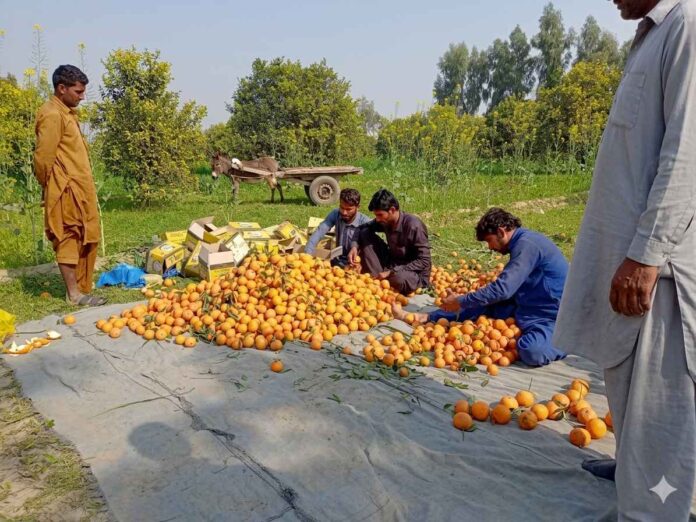
Pakistan is setting its sights on a major transformation of its agricultural sector with an ambitious plan to significantly increase farm exports over the next decade. Under a newly launched climate-focused economic strategy, the country aims to double its agricultural exports to key markets, particularly China and Gulf nations, by the year 2035. This initiative is designed not only to expand export volumes but also to modernize agricultural practices, strengthen climate resilience, and improve overall competitiveness in global markets.
The plan represents a shift toward export-led growth driven by sustainable development principles. By integrating environmental considerations with economic objectives, policymakers are attempting to build a future-ready agricultural system that can withstand climate challenges while delivering higher productivity and profitability.
Climate Resilience at the Core of Economic Planning
A defining feature of this strategy is its strong emphasis on climate resilience. Agriculture remains one of the most climate-sensitive sectors, and Pakistan has faced increasing challenges from erratic weather patterns, water shortages, and environmental degradation. Recognizing these risks, the new plan seeks to embed climate adaptation measures into every stage of the agricultural value chain.
This includes improving infrastructure to withstand extreme weather events, promoting sustainable farming practices, and encouraging the efficient use of natural resources. The integration of climate resilience into economic planning ensures that growth is not only rapid but also sustainable in the long term.
By addressing climate vulnerabilities, the strategy aims to reduce the risks associated with crop failures, supply disruptions, and fluctuating yields. This will provide greater stability for farmers and exporters while enhancing the reliability of Pakistan’s agricultural output in international markets.
Integration with National Connectivity and Trade Corridors
The success of the export strategy is closely tied to improvements in infrastructure and connectivity. The plan aligns agricultural development with broader national initiatives focused on upgrading highways, ports, and energy systems. These enhancements are critical for ensuring efficient transportation of goods from farms to export destinations.
Upgraded road networks will facilitate faster movement of agricultural products, reducing delays and preserving quality. Improved port facilities will enable higher volumes of exports, while modern energy systems will support cold storage and processing operations.
The integration of agriculture with national trade corridors is expected to create a seamless supply chain, linking producers with global markets more effectively. This will not only boost exports but also reduce costs and increase profitability for stakeholders across the value chain.
Gwadar as a Strategic Agricultural Trade Hub
At the center of this transformation is the development of a dedicated agricultural trade hub at Gwadar Port. This initiative marks a significant milestone in Pakistan’s efforts to modernize its export infrastructure and expand its reach in regional and international markets.
The Gwadar hub is envisioned as a state-of-the-art facility equipped with advanced logistics, storage, and processing capabilities. It will serve as a gateway for agricultural exports, providing direct access to key markets in Asia and the Middle East.
One of the primary objectives of the hub is to strengthen cold chain logistics. Perishable goods such as fruits, vegetables, and dairy products require specialized handling to maintain quality during transportation. By investing in modern cold storage and refrigerated transport systems, the government aims to minimize spoilage and ensure that products reach international markets in optimal condition.
The strategic location of Gwadar further enhances its potential as a trade hub. Its proximity to major shipping routes and emerging markets positions it as a critical link in the global supply chain. As the hub becomes fully operational, it is expected to significantly increase the volume and value of agricultural exports.
Transition to Green Economic Zones
Another key component of the plan is the transformation of existing special economic zones into green economic zones. This involves the adoption of clean energy systems, sustainable industrial practices, and circular economy principles.
The shift toward green zones is driven by the need to align Pakistan’s exports with international environmental standards. As global markets increasingly prioritize sustainability, exporters must meet strict criteria related to carbon emissions, resource efficiency, and environmental impact.
By incorporating renewable energy sources and waste reduction measures, green economic zones can reduce production costs while enhancing environmental performance. This not only improves competitiveness but also opens up new opportunities in environmentally conscious markets.
The transition to green zones also reflects a broader commitment to sustainable development, ensuring that economic growth does not come at the expense of environmental health.
Reducing Post-Harvest Losses
Post-harvest losses have long been a significant challenge for Pakistan’s agricultural sector, leading to wasted resources and reduced income for farmers. The new strategy sets a clear target of reducing losses in key crops such as wheat, cotton, and rice by 20 percent by 2028.
Achieving this goal will require improvements in storage, handling, and transportation. Modern storage facilities can protect crops from damage, while better handling practices can reduce spoilage during transit. Investments in infrastructure and technology will play a crucial role in achieving these targets.
Reducing post-harvest losses not only increases the availability of exportable goods but also improves efficiency across the supply chain. This translates into higher earnings for farmers and greater overall productivity.
Improving Water Efficiency in Agriculture
Water scarcity is another major concern for the agricultural sector. To address this issue, the plan aims to reduce water consumption in agriculture by 20 percent by 2030. This will be achieved through a combination of advanced irrigation techniques, policy reforms, and innovative farming practices.
Efficient irrigation systems such as drip and sprinkler technologies can significantly reduce water usage while maintaining crop yields. Water pricing reforms are expected to encourage conservation, while practices like intercropping and precision farming can optimize resource utilization.
Improving water efficiency is essential for ensuring the long-term sustainability of agriculture, particularly in regions facing increasing water stress. By adopting these measures, Pakistan can enhance productivity while preserving vital natural resources.
Expanding Agroforestry and Sustainable Land Use
The plan also includes a strong focus on agroforestry, with a target of expanding such initiatives to 50,000 hectares by 2030. Agroforestry combines agricultural production with tree cultivation, offering multiple benefits including improved soil health, increased biodiversity, and enhanced carbon sequestration.
This approach not only supports environmental sustainability but also provides additional income streams for farmers. Trees can produce fruits, timber, and other products, diversifying agricultural output and reducing reliance on single crops.
Sustainable land use practices are critical for maintaining productivity and preventing degradation. By promoting agroforestry, the government aims to create a more resilient and diversified agricultural system.
Modernizing Cold Chain Logistics
A major focus of the export strategy is the development of modern cold chain networks. The plan aims to ensure that at least 50 percent of perishable exports are transported through advanced cold chain systems by 2035.
Cold chain logistics are essential for maintaining the quality and safety of perishable goods. Without proper temperature control, products can spoil quickly, leading to losses and reduced export value.
Investments in refrigerated storage, transport, and distribution will enable exporters to meet international standards and access high-value markets. This will be particularly beneficial for sectors such as horticulture, dairy, and seafood.
By modernizing logistics, Pakistan can significantly enhance the competitiveness of its agricultural exports and reduce waste across the supply chain.
Innovation in Horticulture and Crop Development
The plan emphasizes the importance of innovation in improving agricultural productivity and quality. One of the key initiatives is the introduction of rootstock innovation for critical horticulture crops by 2028.
Rootstock innovation involves the use of improved plant varieties that offer better resistance to diseases, higher yields, and improved adaptability to environmental conditions. This can significantly enhance the performance of crops such as fruits and vegetables.
By adopting advanced technologies and research-driven solutions, Pakistan can improve the quality of its agricultural products and meet the evolving demands of international markets.
Blue Carbon Initiatives and Fisheries Development
In addition to traditional agriculture, the plan also explores opportunities in the fisheries sector through blue carbon initiatives. These initiatives focus on the conservation and sustainable management of coastal and marine ecosystems.
By protecting mangroves and other coastal habitats, Pakistan can generate revenue through carbon credits while supporting fisheries and biodiversity. This approach combines environmental conservation with economic benefits, creating new opportunities for growth.
The development of the fisheries sector can further diversify exports and contribute to overall economic resilience.
Optimizing Agricultural Subsidies
The strategy includes a comprehensive review of agricultural subsidies, with the aim of optimizing at least 30 percent of these allocations. The focus is on improving efficiency and directing support toward climate-aligned farming practices.
By reallocating resources to more effective programs, the government can enhance productivity while promoting sustainability. This ensures that subsidies deliver maximum impact and support the transition to a more resilient agricultural system.
Optimized subsidies can also encourage innovation and investment, driving long-term growth in the sector.
Strengthening Global Competitiveness
The combined impact of these initiatives is expected to significantly enhance Pakistan’s competitiveness in global agricultural markets. By improving quality, reducing costs, and aligning with international standards, the country can expand its market share and attract new buyers.
The focus on sustainability and innovation positions Pakistan as a forward-looking exporter capable of meeting the demands of modern consumers. This is particularly important in an increasingly competitive global environment.
By leveraging its natural resources, strategic location, and growing infrastructure, Pakistan has the potential to become a major player in the global agricultural trade.
Conclusion
The plan to boost farm exports through Gwadar represents a comprehensive and forward-thinking approach to agricultural development. By combining climate resilience, infrastructure investment, and technological innovation, Pakistan is laying the foundation for a more sustainable and competitive agricultural sector.
The success of this initiative will depend on effective implementation, collaboration among stakeholders, and continued commitment to reform. If executed successfully, the strategy has the potential to transform the agricultural landscape, increase export earnings, and drive long-term economic growth.
Read More
PIA Gets Rs. 8.7 Billion Tax Relief Before Privatization Process