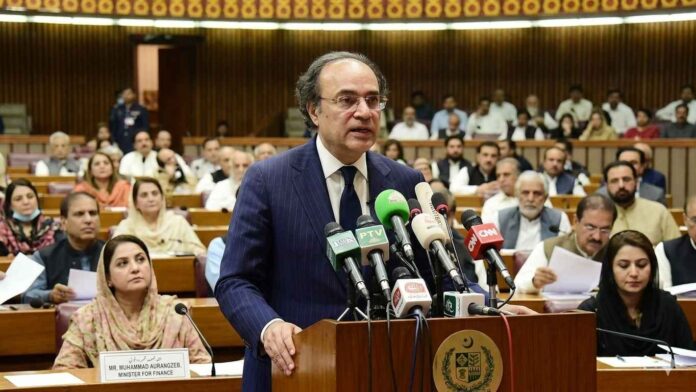

The federal government has strongly defended its newly announced Budget 2026-27 amid criticism from opposition parties, business groups, and economic commentators. Senior government officials have described the budget as a balanced and growth-oriented financial plan that seeks to move Pakistan beyond economic stabilization and toward sustainable, export-led growth.
During a detailed post-budget briefing, the finance minister emphasized that the government had utilized all available fiscal space to provide relief to taxpayers, encourage investment, strengthen industrial competitiveness, and support key sectors of the economy. The government believes the budget lays the groundwork for long-term economic expansion while maintaining fiscal discipline and honoring international commitments.
The budget includes a combination of tax reforms, export incentives, business-friendly measures, agricultural support packages, housing sector initiatives, and digital economy regulations. Officials argue that these measures are designed to stimulate economic activity, increase revenue collection through improved compliance, and create a more attractive environment for both local and foreign investors.
Despite criticism from some quarters, the government maintains that the budget reflects extensive consultations with stakeholders and addresses many of the challenges facing the economy.
Government Says Budget Balances Growth and Fiscal Responsibility
One of the central themes highlighted by policymakers is the need to strike a balance between economic growth and fiscal responsibility.
Pakistan has spent the past several years focusing on economic stabilization, controlling inflation, improving fiscal management, and meeting financial obligations. Government officials now believe the economy has reached a stage where greater emphasis can be placed on growth and investment.
The finance minister stressed that the budget seeks to create conditions for sustainable economic expansion without compromising fiscal discipline. According to government estimates, the budget framework has been designed to support investment, improve business confidence, and strengthen productive sectors while maintaining a manageable fiscal deficit.
Officials argue that economic growth cannot be achieved through short-term populist measures alone. Instead, they believe structural reforms, tax modernization, export promotion, and productivity improvements are necessary to generate lasting prosperity.
The budget therefore focuses on creating an environment where businesses can expand, exports can increase, and employment opportunities can grow over time.
Major Relief Measures for Exporters and Industry
A key component of the budget is the government’s effort to support exporters and formal sector businesses.
Officials announced measures aimed at reducing the financial burden on exporters and improving Pakistan’s competitiveness in international markets. Among the most notable proposals is the elimination of advance taxation requirements for exporters, a move long demanded by the business community.
Exporters have frequently argued that advance tax obligations increase operational costs and create cash flow challenges. By removing these requirements, the government hopes to improve liquidity and encourage greater export activity.
The budget also introduces a gradual reduction in the super tax, another measure welcomed by industry representatives. Government officials believe that reducing the tax burden on businesses will encourage reinvestment, expansion, and job creation.
The administration views export growth as one of the most effective ways to strengthen foreign exchange earnings, reduce external vulnerabilities, and improve economic resilience.
Phased Reduction in Super Tax
One of the most closely watched features of the budget is the planned reduction in super tax rates.
The government has proposed lowering super tax rates across multiple income categories, providing relief to businesses operating in various sectors of the economy.
For larger companies generating substantial annual profits, the proposed reduction is expected to improve profitability and enhance investment capacity.
Business leaders have consistently argued that excessive taxation discourages investment and limits expansion opportunities. By reducing the super tax burden, policymakers aim to create a more competitive business environment capable of attracting domestic and international capital.
The government believes that lower tax rates can stimulate economic activity by allowing companies to retain more earnings for growth initiatives, infrastructure improvements, technological upgrades, and workforce development.
Officials argue that these changes will contribute to stronger economic performance in the coming years.
Expanding and Modernizing the Tax Base
While the budget includes several relief measures, the government has also emphasized the importance of expanding the tax base.
According to policymakers, Pakistan’s long-term fiscal sustainability depends on increasing the number of taxpayers and improving compliance rather than continuously raising taxes on existing taxpayers.
The government plans to achieve this objective through greater use of technology, digital monitoring systems, automation, and artificial intelligence.
Officials say modern digital tools are already helping identify tax leakages, improve transparency, and increase revenue collection.
The proposed reforms aim to reduce human intervention in tax administration, minimize opportunities for corruption, and create a more efficient revenue collection system.
By leveraging advanced technology, the government hopes to strengthen compliance while simplifying procedures for businesses and individuals.
The strategy reflects a broader shift toward digital governance and data-driven policymaking.
Retail Sector Reforms and Documentation Efforts
The budget also introduces measures aimed at bringing more retailers and small businesses into the formal economy.
A new taxation framework has been proposed for traders and shopkeepers as part of broader efforts to improve documentation and expand revenue collection.
Government officials argue that a significant portion of economic activity remains outside the formal tax system, limiting revenue generation and creating inequities within the economy.
The proposed reforms seek to encourage greater participation in the tax net while maintaining reasonable compliance requirements.
Officials insist that the objective is not to place excessive pressure on small businesses but rather to create a fairer system in which all economic participants contribute appropriately.
The success of these reforms will likely play a major role in determining future revenue performance.
Government Remains Optimistic About Economic Growth
Despite ongoing economic challenges, government officials expressed confidence regarding the country’s growth prospects.
The finance minister stated that feedback from domestic and international stakeholders has been encouraging and reflects growing confidence in the government’s economic direction.
Officials believe recent stabilization measures have created a foundation upon which stronger economic growth can be built.
The budget targets an expansion in economic activity driven by exports, investment, industrial production, technology development, and infrastructure improvements.
While acknowledging that challenges remain, policymakers argue that the economy is gradually transitioning from a period of stabilization to a phase focused on sustainable growth.
The government expects improved investor confidence, stronger business activity, and enhanced productivity to contribute to higher growth rates in the coming years.
Addressing Global and Regional Economic Risks
Government officials also acknowledged the potential risks posed by international and regional developments.
Global energy markets remain sensitive to geopolitical tensions, and disruptions in supply chains or energy infrastructure could affect economic performance.
The finance minister cautioned that regional instability could create challenges during the next fiscal year, particularly if energy supplies are disrupted or transportation routes are affected.
However, officials expressed optimism that diplomatic efforts and international cooperation would help prevent major economic disruptions.
The government continues to monitor external developments closely while maintaining contingency plans to address potential risks.
Managing these uncertainties remains an important component of Pakistan’s broader economic strategy.
Tax Relief for Salaried Individuals
One of the most widely discussed aspects of the budget is the proposed tax relief for salaried employees.
Government officials acknowledged that salaried individuals have carried a substantial tax burden in recent years and argued that relief measures were necessary to improve fairness and support household finances.
The budget proposes reductions in income tax rates across several income categories.
These adjustments are expected to increase disposable income for many professionals and middle-income earners.
Supporters of the measure argue that tax relief can stimulate consumer spending, improve living standards, and provide financial relief amid rising living costs.
The government believes the changes will help strengthen purchasing power while maintaining overall revenue objectives.
The proposal has generally received positive feedback from employee groups and salaried taxpayers.
Technology and Services Exports Remain a Priority
Another major focus of the government’s economic strategy is the expansion of services exports, particularly within the technology sector.
Officials highlighted the strong performance of information technology exports and emphasized the sector’s growing importance to the national economy.
Technology services generate valuable foreign exchange earnings while creating employment opportunities for skilled professionals.
The government aims to further strengthen the sector through supportive policies, digital infrastructure investments, and business-friendly regulations.
Officials believe technology exports have the potential to become a major pillar of future economic growth.
Continued expansion in software development, freelancing, digital services, and technology innovation is expected to contribute significantly to export earnings.
Agriculture Receives Strong Budgetary Support
Agriculture remains one of Pakistan’s most important economic sectors, and the budget includes several measures designed to support farmers and improve productivity.
Government officials reported continued growth in agricultural financing, highlighting increased access to credit for farmers across the country.
Special programs aimed at supporting small farmers have also shown encouraging progress.
Access to affordable financing remains a critical issue within the agricultural sector. Improved credit availability allows farmers to invest in better equipment, seeds, irrigation systems, and productivity-enhancing technologies.
The government believes that expanding agricultural financing can contribute to higher yields, increased incomes, and stronger rural economic development.
Agriculture continues to play a vital role in food security, employment, and export generation.
Duty Relief on Agricultural Machinery
To further support agricultural modernization, the government has proposed removing customs and regulatory duties on selected imported agricultural equipment not manufactured domestically.
The initiative is intended to improve access to advanced machinery and technology that can enhance productivity and efficiency.
Modern agricultural equipment can reduce labor costs, improve harvesting efficiency, and increase overall farm output.
By lowering import costs, policymakers hope to accelerate the adoption of modern farming practices across the country.
The measure is expected to benefit farmers, agricultural businesses, and the broader rural economy.
Improved mechanization could play a significant role in strengthening agricultural competitiveness over the long term.
Housing and Construction Sector Remains a Key Priority
The budget also reinforces the government’s commitment to supporting housing and construction activities.
Officials described construction as a critical driver of economic growth due to its extensive linkages with numerous industries.
The housing sector generates demand for construction materials, manufacturing products, transportation services, financial services, and skilled labor.
Additional allocations for housing initiatives are intended to stimulate investment, create jobs, and improve access to affordable housing.
Government representatives emphasized that construction activity has the potential to generate widespread economic benefits while addressing important social needs.
The sector remains an important component of the broader growth strategy.
Revenue Collection Targets and Fiscal Objectives
The Federal Budget 2026-27 establishes ambitious revenue collection targets aimed at supporting government expenditures while maintaining fiscal sustainability.
Officials project substantial growth in revenue collection compared to the previous fiscal year.
The government believes that improved compliance, digital monitoring systems, broader documentation efforts, and economic growth will help achieve these targets.
At the same time, the budget allocates significant resources for debt servicing, development spending, social programs, and public services.
Maintaining fiscal discipline remains essential for preserving macroeconomic stability and meeting international commitments.
The government has also set targets for controlling inflation, reducing the fiscal deficit, and maintaining a primary surplus.
A Budget Focused on Growth, Investment, and Reform
The Federal Budget 2026-27 represents the government’s attempt to transition Pakistan from economic stabilization toward sustainable growth and investment-driven development.
Through a combination of tax relief, export incentives, agricultural support, housing sector measures, digital tax reforms, and modernization initiatives, policymakers aim to create a more competitive and productive economy.
While criticism of certain measures continues, government officials maintain that the budget reflects a balanced approach that addresses the needs of businesses, taxpayers, investors, exporters, and workers.
The success of the budget will ultimately depend on implementation, revenue performance, economic conditions, and the government’s ability to sustain reform momentum throughout the fiscal year.
For now, the administration remains confident that its strategy will support economic expansion, strengthen investor confidence, improve competitiveness, and lay the foundation for long-term prosperity.
Read More
Federal Budget 2026-27 Strengthens Pakistan’s Digital Transformation Agenda