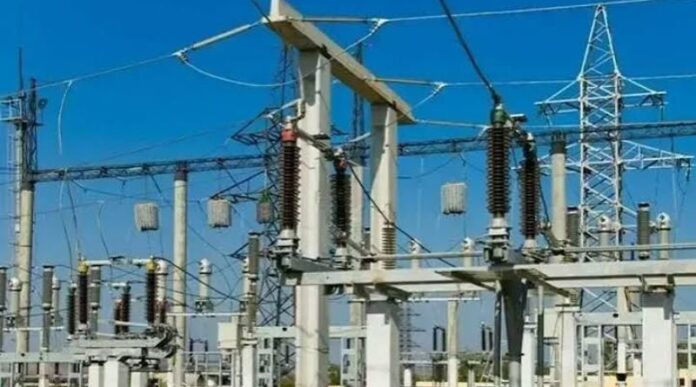

The federal government has taken another major step towards the privatisation of three large electricity distribution companies, commonly known as DISCOs. The Cabinet Committee on Privatisation (CCoP) has approved a restructuring plan for Faisalabad Electric Supply Company (FESCO), Gujranwala Electric Power Company (GEPCO), and Islamabad Electric Supply Company (IESCO).
The decision is seen as an important development in the government’s wider plan to improve Pakistan’s power sector and prepare selected state-owned companies for private investment.
FESCO, GEPCO and IESCO are among the country’s biggest power distribution companies. Together, they provide electricity to more than 14 million consumers across major industrial, commercial and urban areas. Because of their large customer base and importance to the economy, the government considers their better management and improved performance necessary for the future of Pakistan’s electricity sector.
The restructuring plan was approved during a meeting of the Cabinet Committee on Privatisation chaired by Deputy Prime Minister and Foreign Minister Senator Ishaq Dar. The approval will allow the government to move further with the process of preparing the three companies for privatisation.
Major Step Before Privatisation
The approval of the restructuring plan is an important stage before the sale of shares and management control of the three DISCOs to private investors.
Pakistan has been working on reforms in the power sector for several years. One of the main goals is to reduce financial losses, improve the recovery of electricity bills, control power theft and provide better service to consumers.
The government believes that private-sector participation can help bring professional management, new technology and stronger financial discipline to electricity distribution companies. Through the privatisation process, authorities hope to make these companies more efficient and financially stable.
The approved plan is part of the first batch of DISCO privatisation. FESCO, GEPCO and IESCO have been selected for the initial phase because they serve important regions and have large customer networks.
The government has said that the reform process is not only about selling companies. It is also about removing financial and structural problems that may make the DISCOs less attractive to investors.
What Will Happen Under the Restructuring Plan?
Under the approved restructuring framework, some selected assets and liabilities of the three electricity companies will be separated from the DISCOs.
Land assets of the companies will be moved to a government-owned holding structure. A Special Purpose Vehicle, or another government-owned holding company structure, will be used to manage the assets and liabilities that are being separated from the companies.
The purpose of this arrangement is to make the transaction cleaner and easier for potential investors. Instead of taking over every old asset and financial responsibility, investors may be able to focus more directly on the operational and business side of the electricity companies.
Selected liabilities, including certain obligations related to employees who have already retired, are also expected to be handled outside the main DISCO structure. However, retirement benefits for existing employees are expected to remain with the electricity distribution companies.
The restructuring process will also deal with some financial matters between government departments and the DISCOs. Inter-governmental receivables and payables are expected to be adjusted and settled under the approved plan.
The government has described the restructuring plan as fiscally neutral. In simple words, the plan is designed to reorganise the companies without creating an unnecessary new financial burden on the government while also increasing their value for the planned transactions.
Scheme of Arrangement to Be Filed
The restructuring plan will be implemented through a Scheme of Arrangement, which will be filed with the Securities and Exchange Commission of Pakistan (SECP).
This legal process will help formally separate the selected assets and liabilities from the three electricity companies.
Once the necessary legal and regulatory steps are completed, the government will be able to move further with the privatisation process.
Officials have been directed to speed up the implementation of the plan. The government wants to avoid unnecessary delays and complete the next stages of the transaction in a timely manner.
The restructuring is expected to make the three companies more attractive to both local and foreign investors. It will also provide a clearer picture of the companies’ business structure and future financial responsibilities.
FESCO, GEPCO and IESCO Serve Millions of Consumers
The three DISCOs play an important role in Pakistan’s power distribution system.
FESCO supplies electricity to Faisalabad and nearby areas. Its service region includes some of the country’s important industrial and commercial centres. Faisalabad is widely known as a major industrial city, and a reliable electricity supply is necessary for factories, businesses and households in the region.
GEPCO provides electricity to consumers in Gujranwala and surrounding areas. The region also has a strong industrial and manufacturing base, making the performance of the company important for economic activity.
IESCO serves Islamabad and nearby regions. It supplies electricity to residential areas, government offices, businesses and other important consumers.
Together, the three companies have more than 14 million customers. Their performance can therefore have a direct effect on households, businesses and industries across large parts of the country.
The government believes that improving these companies can help strengthen electricity distribution and reduce operational problems in the wider power sector.
Government Hopes to Improve Service and Reduce Losses
One of the main reasons behind the planned reforms is to improve the quality of electricity services.
Pakistan’s power distribution sector has faced several problems over the years. These include electricity theft, unpaid bills, technical losses, weak recovery and management challenges.
These issues create financial pressure on the power sector and contribute to the larger problem of circular debt.
The government hopes that professional management and stronger systems will help improve the performance of DISCOs after private-sector participation.
Better management could also help companies use modern technology to monitor electricity networks, identify losses, improve bill collection and respond more quickly to customer complaints.
The Deputy Prime Minister has stressed the need for fast implementation of the restructuring plan. According to the government, the privatisation initiative is expected to help improve service quality and reduce losses.
However, the success of the plan will depend on how effectively the new structure is implemented and how the government manages the actual privatisation process.
Electricity Tariffs Will Continue Under the Existing System
One major concern for electricity consumers is whether the privatisation of DISCOs will lead to major changes in electricity prices.
The government has said that consumers will continue to remain protected under Pakistan’s existing regulatory system.
Electricity tariffs will continue to be determined through the process of the National Electric Power Regulatory Authority (NEPRA) and will be notified by the government under the applicable rules.
This means the private owners of the DISCOs will not have complete freedom to set electricity prices on their own.
The government’s position is that the reform process should focus on improving reliability, efficiency and customer service.
For ordinary consumers, the real test of the reforms will be whether they experience fewer breakdowns, better complaint handling, more accurate billing and improved electricity services.
Businesses and industries will also be watching closely because a reliable power supply is essential for production and economic growth.
Employee Interests Will Be Considered
The future of employees is another important issue in the restructuring and privatisation process.
The government has stated that employee interests will be dealt with according to the law and the final transaction arrangements.
Under the approved plan, retirement-related benefits for existing employees will remain with the DISCOs. Some obligations related to employees who have already retired are expected to be separated and handled through the new government-owned structure.
The government has also said that service continuity will remain a priority during the process.
Employees, consumers, industries and local communities all have a direct interest in the future of the three companies. For this reason, the authorities will need to keep stakeholders informed as the privatisation process moves forward.
Any major change in the management structure of these companies could affect thousands of employees and millions of consumers.
The government will therefore have to manage the process carefully to avoid disruption in electricity supply or uncertainty among employees.
Strong Interest From Local and Foreign Investors
The government has earlier reported interest from both domestic and international investors in the privatisation of the first batch of DISCOs.
Pakistan is offering investors an opportunity to acquire a major stake and management control in the electricity distribution companies. Depending on the final transaction structure, investors may be offered between 51 percent and 100 percent shareholding along with management control.
The government wants to conduct the process in a transparent and competitive manner.
Potential investors may participate individually or as part of a group, subject to the required qualification rules.
The large customer base of FESCO, GEPCO and IESCO makes them important assets in Pakistan’s energy sector. However, investors will also carefully study the companies’ financial condition, operational performance, future regulatory environment and potential risks.
The restructuring plan is meant to deal with some of these concerns before the sale process moves ahead.
By separating selected assets and liabilities, the government hopes to create a more commercially workable structure that can attract serious investors.
Wider Power Sector Reforms
The planned privatisation of the three DISCOs is part of Pakistan’s broader effort to reform the electricity sector.
The government wants distribution companies to become financially sustainable, professionally managed and more focused on consumers.
Modern technology is also expected to play a greater role in the future. Digital systems can help companies monitor electricity use, detect theft, reduce technical losses and improve communication with consumers.
The government also wants to reduce its direct role in running commercial businesses where private-sector participation can bring better results.
Supporters of the privatisation plan believe that private investors may bring stronger management, fresh investment and better accountability.
However, the process will need strong regulation to make sure consumers are protected and private owners focus on service improvement rather than only profit.
NEPRA and other government institutions will continue to have an important role in regulating the power sector.
Challenges Still Remain
Although the approval of the restructuring plan is a major step, several challenges remain before the full privatisation process is completed.
The government will need to complete legal work, regulatory approvals and the formal implementation of the Scheme of Arrangement.
It will also have to finalise transaction details and manage discussions with potential investors.
Another major challenge will be ensuring that the new owners can improve performance without causing unnecessary problems for employees or consumers.
Pakistan has seen many reforms in the power sector in the past, but the sector continues to face serious financial and operational issues.
Therefore, the privatisation of FESCO, GEPCO and IESCO will be closely watched by investors, employees, businesses and electricity consumers.
The government will need to show that the process is transparent, competitive and based on clear rules.
An Important Test for Pakistan’s Privatisation Programme
The restructuring and planned sale of the three DISCOs will be an important test for the government’s wider privatisation programme.
If the process is completed successfully and the companies show improved performance after private-sector participation, it could encourage further reforms in other state-owned enterprises.
The government hopes to build a power distribution system that is more efficient, reliable and financially stable.
For consumers, the most important result will be better service. For industries, it will be a more reliable electricity supply. For the government, the aim is to reduce losses and financial pressure.
The approval of the restructuring plan shows that the government is moving from planning towards implementation.
FESCO, GEPCO and IESCO now face an important period of change as the government prepares them for private-sector participation.
The coming months will determine how quickly the restructuring process is completed and whether the planned privatisation can attract strong and credible investors.
The success of the initiative will depend not only on completing the sale but also on ensuring that the new structure leads to real improvements in electricity distribution, financial performance and customer service.
For Pakistan’s power sector, the decision could become an important turning point if the reforms are implemented properly and deliver the results promised by the government.
Read Also: check