
Pakistan is preparing a backup strategy to secure energy supplies if shipping through the Strait of Hormuz remains disrupted for more than 10 to 12 days. Officials are considering approaching Saudi Arabia to be included among preferred crude buyers supplied through Red Sea export routes, bypassing the vulnerable Gulf corridor.
The contingency planning comes amid escalating hostilities in the region, raising uncertainty over traffic through one of the world’s most critical energy chokepoints. The strait handles roughly 20 to 21 million barrels per day of crude oil, condensate, and refined fuels — about a fifth of global petroleum liquids consumption. Nearly 20% of global liquefied natural gas (LNG) trade also passes through this route to Asian markets.
Energy analysts warn that a prolonged blockage could push oil prices sharply higher, potentially reaching between $100 and $150 per barrel.
Heavy Dependence on Gulf Energy Supplies
Pakistan relies heavily on energy imports routed through Hormuz. The country imports LNG from Qatar, diesel from Kuwait, and most of its crude oil from Abu Dhabi. These shipments typically move through the strait before reaching Pakistani ports.
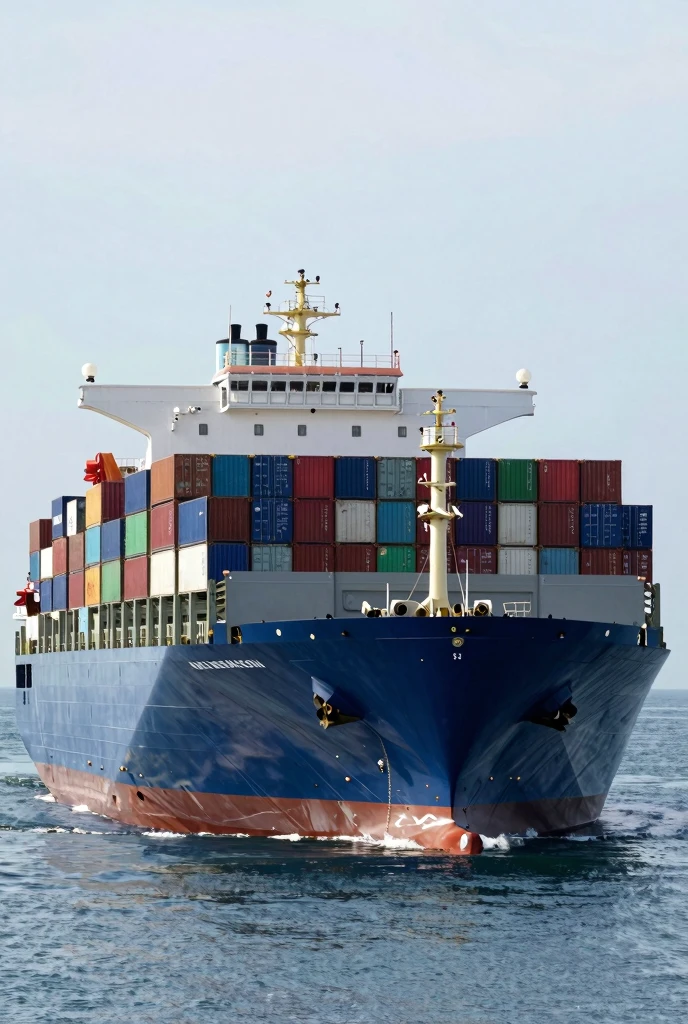
Currently, two crude tankers bound for Pakistan are stranded in the waterway, while another cargo at the loading stage is unlikely to sail under prevailing conditions. LPG imports by sea and land have also slowed significantly, increasing the risk of domestic price spikes.
Two LNG cargoes that crossed the strait before the latest escalation are expected to arrive within days, offering temporary relief to the gas supply situation.
Government Reviews Petroleum Stocks
A second high-level meeting in as many days was recently convened to assess petroleum inventories and contingency plans. Officials reviewed stock levels and discussed options to ensure continuity of supply.
Pakistan currently holds approximately 30 days of petrol and high-speed diesel inventories. However, beyond next week, continued hostilities could severely constrain supplies of crude oil, LNG, and imported diesel. Authorities may be forced to purchase refined fuels from the international spot market at elevated premiums if disruptions persist.
Pakistan already imports a significant share of petrol from Singapore, and diesel purchases from the same market could increase if necessary. However, higher freight and insurance costs would add financial strain.
Turning to the Red Sea Route
If required, Pakistan is expected to formally approach Saudi Arabia for crude shipments routed through the kingdom’s East-West pipeline. This pipeline carries oil from eastern fields to Red Sea export terminals, allowing shipments to bypass the Strait of Hormuz entirely.
From these Red Sea terminals, Saudi Arabia supplies major Asian economies. Securing similar access could help Pakistan maintain refinery operations even if Gulf shipping lanes remain compromised.
However, LNG imports would remain vulnerable, as Saudi Arabia is not a major exporter of liquefied natural gas.
Domestic Production and Economic Risks
Pakistan produces around 70,000 barrels of crude oil per day domestically but imports roughly 300,000 barrels daily to meet refinery demand. The country imports about 70% of its petrol consumption while meeting most diesel needs through local production.
A prolonged closure of the Strait of Hormuz would likely drive fuel and LPG prices higher, worsen gas shortages, widen the current account deficit, and intensify inflationary and foreign exchange pressures.
For now, existing stocks provide a short-term buffer. But if disruptions extend beyond two weeks, Pakistan could face one of its most significant energy supply challenges in recent years, making contingency access to alternative crude routes increasingly critical.
Read More