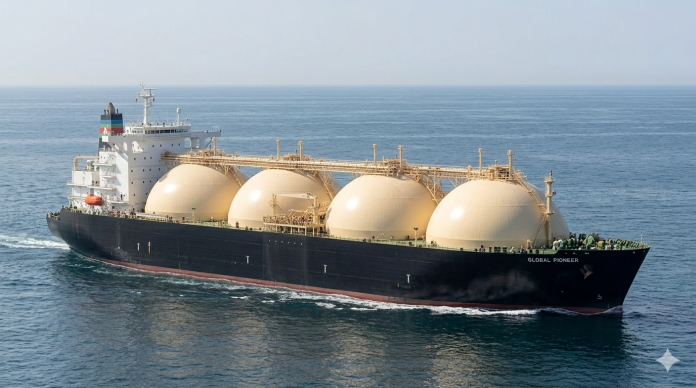

Pakistan is scrambling to secure energy supplies after QatarEnergy halted liquefied natural gas (LNG) production following missile attacks linked to Iran. The sudden disruption has once again exposed the country’s heavy dependence on imported LNG, particularly from Qatar, and raised concerns about supply stability amid rising geopolitical tensions.
Officials say emergency contingency measures are being considered to offset a potential supply shortfall, including restoring previously curtailed domestic gas production and seeking alternative LNG cargoes from other suppliers. The situation has been further complicated by renewed security risks to shipping routes through the Strait of Hormuz, a critical artery for global energy trade.
Heavy Reliance on Qatari LNG
Qatar forms the backbone of Pakistan’s imported LNG portfolio. Under long-term agreements, Pakistan typically receives nine LNG cargoes per month from Qatar. In addition, one monthly cargo is supplied by Italy’s Eni.
This steady stream of imports plays a central role in maintaining pipeline pressure and ensuring fuel availability for power generation, industry, and residential consumption. Any prolonged disruption in Qatari supplies could strain the gas transmission system and create shortages in the coming months.
Energy officials have acknowledged that Pakistan’s reliance on a limited number of LNG suppliers leaves it vulnerable to external shocks, particularly those driven by geopolitical instability in the Gulf region.
Immediate Contingency Measures
To cushion the immediate impact of the disruption, authorities plan to restore approximately 350 million cubic feet per day (MMcf/d) of domestic gas production that had previously been curtailed to manage line-pack pressure. Reinstating this output is expected to provide short-term relief and stabilize the system.
Further measures under consideration include ramping up local oil and gas production where feasible. Officials are also evaluating the option of securing spot or short-term LNG cargoes to plug any supply gaps if demand increases unexpectedly.
However, availability remains uncertain. SOCAR has existing commitments to buyers in China, Japan, and India, which could limit the volume available for diversion to Pakistan.
Demand Adjustments and Prior Planning
Earlier this year, Pakistan had successfully negotiated with Qatar to defer two LNG cargoes per month scheduled for delivery in 2026. The decision was based on projections that domestic gas demand would decline by around 300 MMcf/d.
The Power Division had described nine LNG cargoes per year as “additional” due to reduced reliance on gas-fired power generation. Domestic gas usage had been hovering near 400 MMcf/d, reflecting lower consumption patterns in certain sectors.
Seasonal Relief and Demand Management
Seasonal factors may offer temporary breathing space. Lower heating and cooling demand during March is expected to keep consumption manageable. Electricity demand is also unlikely to surge significantly in the short term.
In the event of a sudden spike in demand, officials have indicated that industrial and commercial users could face extended load-shedding to protect residential consumers. Historically, households have been prioritized during supply shortages to minimize public hardship.
While these measures can mitigate immediate pressures, they are not long-term solutions to structural vulnerabilities in the energy mix.
Broader Geopolitical Implications
The disruption comes amid heightened regional tensions linked to the US-Israel conflict with Iran. Escalating hostilities have unsettled global energy markets, tightened tanker movements near the Strait of Hormuz, and contributed to price volatility.
Energy analysts warn that each crisis in the Gulf highlights Pakistan’s over-reliance on imported LNG and crude oil. When key chokepoints such as Hormuz face threats, the country has limited buffers to absorb supply shocks.
Structural Vulnerability Remains
While emergency measures may help manage short-term disruptions, Pakistan’s broader challenge lies in reducing structural dependence on imported fuel. Expanding renewable energy, improving energy efficiency, and strengthening domestic production capacity could help cushion future shocks.
For now, policymakers are focused on stabilizing gas supplies and ensuring uninterrupted service. However, the latest disruption serves as a reminder that energy security remains closely tied to geopolitical stability in the Gulf region.
Read More