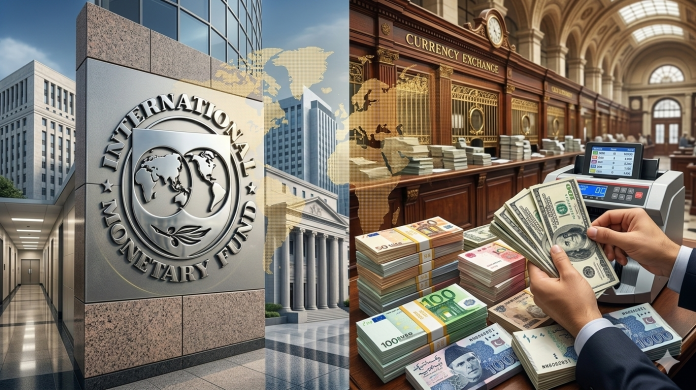

Pressure Builds on Pakistan’s Currency
Pakistan’s currency could face further depreciation in the coming months, with analysts suggesting that the rupee may fall to a range between Rs. 290 and Rs. 300 against the US dollar. The potential adjustment comes amid ongoing economic consultations aimed at aligning the country’s exchange rate with broader economic indicators.
The discussion around exchange rate adjustments has gained importance as Pakistan continues efforts to stabilize its economy and maintain financial stability. Currency flexibility has become a key part of economic policy, especially as the country prepares for upcoming fiscal planning and long-term economic reforms.
Exchange Rate Alignment With Economic Indicators
Economic policymakers are currently reviewing the exchange rate based on the Real Effective Exchange Rate indicator, which is widely used to measure the competitiveness of a country’s currency relative to its trading partners.
This indicator compares the value of a currency with those of major trading partners while adjusting for inflation differences. When the exchange rate moves away from these economic fundamentals, adjustments may be recommended to bring the currency back in line with market realities.
Officials involved in the discussions say that aligning the rupee with these indicators could result in a weaker exchange rate compared to current levels. At present, the rupee is trading close to Rs. 280 per US dollar, but adjustments based on economic fundamentals could move it closer to the Rs. 290 to Rs. 300 range.
Impact on the Upcoming Federal Budget
The currency outlook has become a major topic of discussion as Pakistan prepares its next federal budget. Economic planners are reviewing fiscal strategies and financial policies aimed at improving economic stability and strengthening public finances.
Exchange rate policy plays a critical role in budget planning because it directly affects government revenues, import costs, and debt servicing obligations. A weaker rupee can increase the cost of external debt repayments and imported commodities, which can influence inflation and government spending.
At the same time, policymakers are working on broader economic reforms designed to improve fiscal discipline, strengthen revenue collection, and reduce reliance on external borrowing.
Potential Benefits for Export Growth
While currency depreciation can create economic challenges, it may also offer certain advantages for Pakistan’s export sector. A weaker rupee typically makes locally produced goods more affordable in international markets, improving the competitiveness of exporters.
Industries such as textiles, agriculture, and manufacturing could benefit from improved export demand if the currency weakens against the dollar. This could help boost foreign exchange earnings and support economic growth.
Export-driven industries often rely on favorable exchange rates to maintain competitive pricing in global markets. Therefore, currency adjustments can sometimes play a role in encouraging export expansion and improving trade balances.
Inflation Risks and Rising Import Costs
Despite potential benefits for exports, a weaker rupee also carries significant risks for the domestic economy. One of the biggest concerns is the possibility of rising inflation due to higher import costs.
Pakistan relies heavily on imported fuel, machinery, and raw materials for industrial production. When the currency depreciates, the cost of these imports increases, which can lead to higher prices for goods and services across the economy.
Higher fuel costs, in particular, can affect transportation, electricity generation, and manufacturing expenses. These cost increases often pass through to consumers, contributing to overall inflationary pressures.
Economic Stabilization and Structural Reforms
Pakistan has been implementing a series of economic reforms aimed at stabilizing the economy and strengthening financial management. These reforms focus on improving revenue collection, controlling fiscal deficits, and maintaining a flexible exchange rate policy.
A flexible exchange rate allows the currency to respond to market forces and economic conditions rather than remaining fixed at an artificial level. This approach is intended to reduce external imbalances and promote long-term economic stability.
Policymakers are also focusing on structural reforms designed to improve economic efficiency, encourage investment, and strengthen financial institutions.
Outlook for the Rupee
The future direction of the rupee will depend on several factors, including economic reforms, foreign exchange reserves, global commodity prices, and investor confidence. Currency markets often react quickly to economic developments and policy changes.
If exchange rate adjustments move forward as part of broader economic reforms, the rupee could gradually weaken toward the projected range of Rs. 290 to Rs. 300 per US dollar.
However, the ultimate impact on the economy will depend on how effectively policymakers balance currency stability with efforts to control inflation and support economic growth.