
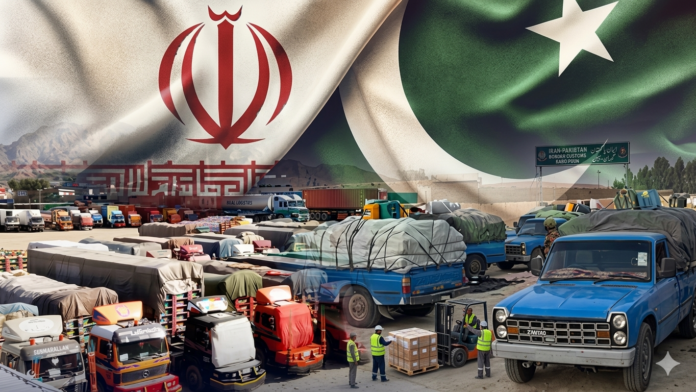

Pakistan Introduces Temporary Export Relief Through Iran Corridor
Pakistan has taken a strategic step to protect its export sector by introducing a temporary exemption aimed at facilitating trade through the Iran land route. This decision comes at a crucial time when traditional trade corridors through Afghanistan have faced significant disruptions, impacting exporters and slowing down regional trade flows. The move is expected to provide immediate relief to exporters while opening new pathways to key markets in Central Asia and nearby regions.
Relaxation of Financial Requirements to Boost Trade Activity
Under the newly announced policy, the government has relaxed financial instrument requirements that previously governed export operations. This exemption temporarily suspends certain provisions that required exporters to strictly follow foreign exchange regulations and procedures. These rules, which were linked to compliance with national financial regulations, had created operational hurdles, especially when alternative trade routes became necessary.
The relaxation is designed to simplify the export process, allowing businesses to operate more efficiently and without delays caused by regulatory constraints. By removing these barriers, the government aims to ensure that trade continues smoothly despite geopolitical and logistical challenges.
Three-Month Window to Revive Export Momentum
The exemption will remain in effect for a limited period of three months, starting from March 24, 2026, and ending on June 21, 2026. This temporary timeframe reflects the government’s intention to provide immediate support while assessing long-term solutions for sustaining export growth.
During this period, exporters are encouraged to maximize the opportunity by exploring new markets and strengthening their presence in regions that were previously difficult to access due to transit restrictions. The short-term nature of the policy also suggests that authorities will closely monitor its effectiveness before deciding on any extensions or permanent measures.
Banking Challenges Prompt Government Intervention
One of the key reasons behind this policy shift was the reluctance of several banks to facilitate export transactions under the existing framework. Without clear operational guidelines, financial institutions were hesitant to process payments, leaving exporters in a difficult position. This lack of support created bottlenecks in trade, especially for businesses relying on alternative routes.
By introducing this exemption, the government has addressed these concerns, enabling smoother coordination between exporters and financial institutions. The move is expected to restore confidence within the export community and encourage banks to actively support trade operations.
Wide Range of Export Commodities Included
The policy allows for the export of a diverse range of goods through the Iran land corridor. Key commodities include agricultural products, food items, and industrial goods that have strong demand in regional markets. Exporters can now send products such as rice, fruits, vegetables, meat, seafood, and pharmaceuticals through this route, significantly expanding trade opportunities.
This broad inclusion ensures that multiple sectors benefit from the initiative, not just a single industry. It also highlights the government’s commitment to supporting both traditional and emerging export categories, helping businesses maintain revenue streams during uncertain times.
Ensuring Compliance Through Exporter Undertakings
While the exemption provides flexibility, it also includes safeguards to ensure accountability. Exporters are required to submit a formal undertaking confirming that export proceeds will be repatriated within the prescribed timeframe. This condition ensures that the country’s financial interests are protected while allowing businesses to operate with fewer restrictions.
This balanced approach reflects the government’s effort to maintain regulatory oversight while offering practical solutions to exporters facing real-world challenges.
Impact of Afghan Route Disruptions on Trade
The decision to shift focus toward the Iran route comes in response to prolonged disruptions along the Afghanistan corridor. Border closures and transit limitations have severely affected Pakistan’s ability to access Central Asian markets through its traditional routes.
As a result, exports to Afghanistan and neighboring regions have declined sharply. The reduced trade volume has not only impacted exporters but also highlighted the need for diversified trade routes. The current policy aims to address this gap by providing a viable alternative that ensures continuity in export activities.
Decline in Regional Trade Highlights Urgency
Recent trade figures indicate a significant contraction in exports to both Afghanistan and Central Asia. The decline underscores the urgency of finding alternative solutions to sustain economic activity. Without immediate intervention, exporters risk losing market share and long-term business relationships in these regions.
The introduction of the Iran corridor as an alternative route is a strategic move to counter these challenges. It provides exporters with renewed access to key markets while reducing dependence on a single transit pathway.
A Strategic Shift Toward Trade Diversification
This initiative marks an important step in Pakistan’s broader strategy to diversify its trade routes and reduce vulnerability to regional disruptions. By leveraging the Iran corridor, the country can strengthen its connectivity with Central Asia and explore new economic partnerships.
Trade diversification not only enhances resilience but also opens doors to untapped markets. It allows exporters to expand their reach and adapt to changing geopolitical conditions more effectively.
Short-Term Relief with Long-Term Implications
While the exemption is temporary, its impact could extend far beyond the three-month period. If successful, it may pave the way for more permanent policy changes that support flexible trade practices and improved regional connectivity.
For exporters, this initiative offers a crucial opportunity to regain momentum, rebuild supply chains, and secure their position in competitive markets. For the economy, it represents a proactive approach to managing external challenges and sustaining growth.
Conclusion: A Timely Move to Support Exporters
The government’s decision to facilitate exports through the Iran route reflects a timely and strategic response to ongoing trade disruptions. By easing regulatory requirements and opening alternative corridors, Pakistan is taking decisive action to protect its export sector and maintain economic stability.
As exporters begin to utilize this opportunity, the success of this initiative will depend on effective implementation, coordination with financial institutions, and the ability to adapt to evolving market conditions. If managed well, this move could become a turning point in strengthening Pakistan’s regional trade network and ensuring long-term export resilience.
Read More
Government Considers Tax-Free Real Estate Incentives for Overseas Investors


