
Pakistan Moves Closer to Fresh Financial Support
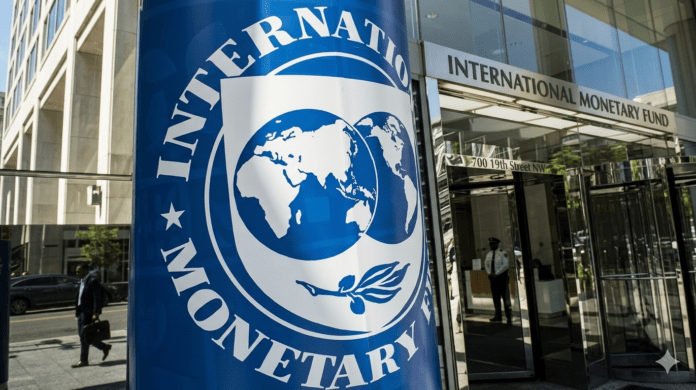
Pakistan has taken a significant step toward strengthening its financial position by reaching a staff-level agreement for the third review of its Extended Fund Facility and the second review under the Resilience and Sustainability framework. This development signals renewed confidence in the country’s economic reform program and brings it closer to unlocking much-needed financial support. The agreement, announced recently, is still subject to final approval. Once cleared, the country is expected to receive approximately $1 billion under one facility and an additional $210 million under the sustainability framework. This would increase the total disbursements under these programs to nearly $4.5 billion, providing critical support to the national economy.
Economic Reforms Show Positive Momentum
The progress made under the reform program has been described as broadly on track, reflecting the government’s commitment to stabilizing the economy. Key areas of improvement include fiscal consolidation, better inflation management, restructuring of the energy sector, and the implementation of structural reforms. Economic activity has shown signs of recovery, particularly after the fiscal year 2025 rebound. Inflation levels and the current account balance have remained relatively controlled, which has helped ease pressure on the economy. Additionally, improvements in external reserves have strengthened the country’s financial buffers. However, global uncertainties continue to pose risks. Rising geopolitical tensions and fluctuations in energy prices could impact financial stability, making continued policy discipline essential.
Commitment to Fiscal Discipline and Growth
A central focus of the reform program is maintaining strict fiscal discipline. The government has committed to achieving a primary budget surplus of 1.6 percent of GDP in the upcoming fiscal year, with plans to increase this to 2 percent in the following year. Efforts are underway to expand the tax base and improve revenue collection. Authorities are also working on better expenditure management and enhanced coordination between federal and provincial governments. These measures aim to ensure long-term fiscal sustainability and reduce reliance on external borrowing.
Revenue Reforms and Tax System Modernization
Significant changes are being implemented to modernize the tax system and improve efficiency. These reforms include stronger tax audits, the introduction of digital invoicing systems, improved monitoring of production processes, and enhanced governance within tax authorities. A newly established policy office is also developing a medium-term strategy to ensure stability in taxation and consistent revenue growth. These initiatives are expected to strengthen public finances and create a more transparent economic environment.
Strengthening Social Protection Measures
Alongside economic reforms, there is a strong emphasis on protecting vulnerable segments of society. The government plans to expand social protection programs by increasing coverage and adjusting financial assistance in line with inflation. Additional investments in health and education are also being prioritized to promote inclusive growth. These efforts aim to balance economic stabilization with social welfare, ensuring that reforms do not disproportionately impact low-income households.
Monetary Policy and Inflation Control
Monetary policy remains a key tool in maintaining economic stability. Authorities are expected to continue a cautious and data-driven approach to keep inflation within target levels. A flexible exchange rate policy will also help absorb external shocks and manage volatility in global markets. This approach is particularly important given ongoing uncertainties in commodity prices and global financial conditions, which can have a direct impact on domestic inflation and economic performance.
Energy Sector Reforms Take Center Stage
Reforming the energy sector remains one of the most critical components of the program. The government has pledged to address long-standing issues such as circular debt by implementing timely tariff adjustments and reducing inefficient subsidies. Efforts are also being made to improve transmission efficiency and privatize underperforming power generation companies. In addition, there is a gradual shift toward a more competitive electricity market and increased adoption of renewable energy sources. These measures are expected to reduce financial losses in the sector and ensure a more sustainable energy supply in the long run.
Structural Reforms and Governance Improvements
Beyond fiscal and energy reforms, the program includes broader structural changes aimed at improving governance and reducing market distortions. Plans are in place to accelerate the privatization of state-owned enterprises and strengthen anti-corruption frameworks. These reforms are designed to create a more business-friendly environment, encourage private-sector investment, and support long-term economic growth.
Focus on Climate and Sustainability Initiatives
The sustainability framework also highlights the importance of climate-related reforms. Ongoing initiatives include promoting environmentally friendly transport solutions, improving systems for managing climate risks, and strengthening water resilience. Efforts are also being made to develop a comprehensive disaster risk financing strategy, which will help the country better respond to environmental challenges and natural disasters.
Final Approval to Unlock Funding
The staff-level agreement represents an important milestone, but final approval is still required before funds are released. Once approved, the financing will provide crucial support for economic stabilization and reform implementation. Overall, the agreement reflects growing confidence in Pakistan’s economic direction. With continued commitment to reforms and prudent policy management, the country is positioning itself for stronger financial stability and sustainable growth in the years ahead.
Read More
Pakistan Turns to Iran Route to Protect Exports Amid Afghan Trade Block