
BOLD EXPORT SECTOR FACES SIGNIFICANT RISK
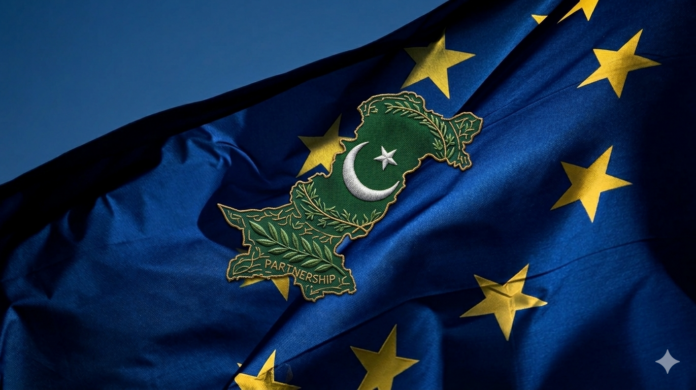
Pakistan’s export sector could experience a major setback if its GSP Plus trade status with the European Union is discontinued. Industry experts and business leaders have warned that the country could face potential losses of up to $9 billion annually. This preferential trade status provides Pakistani exporters with duty-free access to European markets, enabling them to remain competitive against international rivals. Losing this facility would have far-reaching consequences not only for trade revenues but also for employment and economic stability.
BOLD GSP PLUS: A CRUCIAL DRIVER OF EXPORTS
The GSP Plus arrangement serves as a key pillar supporting Pakistan’s export performance. Under this status, a substantial portion of the country’s exports, including textiles, leather goods, and surgical instruments, benefit from zero tariffs when entering European markets. This preferential access allows local manufacturers to offer competitive prices, attract international buyers, and maintain a strong presence in global supply chains.
Textiles, in particular, constitute one of Pakistan’s largest export segments, contributing significantly to national revenue and sustaining millions of jobs. Leather products and surgical instruments also rely heavily on GSP Plus advantages to remain cost-effective and appealing to European customers. Any disruption to this arrangement could undermine the pricing and demand dynamics that exporters currently enjoy.
BOLD EUROPEAN UNION: PAKISTAN’S LARGEST TRADING PARTNER
The European Union continues to be Pakistan’s largest trading partner, accounting for roughly 25 to 33 percent of total exports. Duty-free access through GSP Plus plays a vital role in maintaining strong trade flows with this region. Without the status, Pakistani goods would be subjected to tariffs of 10 to 12 percent, significantly increasing the cost for European importers and reducing demand for local products.
The imposition of such tariffs could make Pakistani exports less competitive compared to other countries that benefit from preferential trade agreements. As a result, the overall volume of exports could decline sharply, impacting national earnings and slowing economic growth.
BOLD IMPACT ON EMPLOYMENT AND HOUSEHOLDS
The consequences of losing GSP Plus would extend beyond trade figures. Millions of workers are employed in industries directly dependent on exports, including textiles, leather, and surgical instruments. Around three million households derive their income from export-driven sectors, meaning any decline in export demand could severely affect livelihoods.
Business leaders emphasize that job losses and reduced household incomes would create additional pressure on domestic markets. Reduced earnings in these sectors could also affect consumption and spending patterns, amplifying the economic ripple effects of losing preferential trade access.
BOLD URGENCY OF INTERNATIONAL COMPLIANCE
Industry experts have stressed the importance of continued compliance with international obligations to safeguard the trade facility. The GSP Plus status is contingent on adherence to human rights, labor standards, environmental protections, and governance benchmarks set by the European Union. Failure to meet these requirements could trigger suspension or withdrawal of benefits.
Business leaders insist that maintaining compliance is not just a regulatory necessity but a strategic move to protect Pakistan’s export growth trajectory. Ongoing engagement with European regulators and strict adherence to international standards are critical to securing uninterrupted access to lucrative markets.
BOLD ECONOMIC STABILITY AND FUTURE GROWTH
Maintaining GSP Plus is essential for sustaining Pakistan’s export-driven economic growth. The preferential arrangement not only supports exporters but also contributes to foreign exchange earnings, industrial development, and employment generation. Losing this status could slow economic expansion, increase trade deficits, and create uncertainty in investment decisions.
Exporters, policymakers, and industry stakeholders are actively monitoring the situation to minimize risks. Strategic measures may include diversifying export markets, improving product quality, and ensuring full compliance with international trade standards. These efforts aim to reduce reliance on a single trade partner while safeguarding revenues and jobs.
BOLD CONCLUSION: PROTECTING EXPORTS IS CRITICAL
The potential loss of GSP Plus status poses a serious threat to Pakistan’s export sector, with estimated losses reaching $9 billion annually. The repercussions would be felt across industries, jobs, and households dependent on export earnings. Continued compliance with international standards and proactive engagement with trade partners are essential to preserve this vital trade facility. Protecting GSP Plus benefits is critical for maintaining competitiveness, sustaining economic growth, and securing livelihoods across the country.
Read More