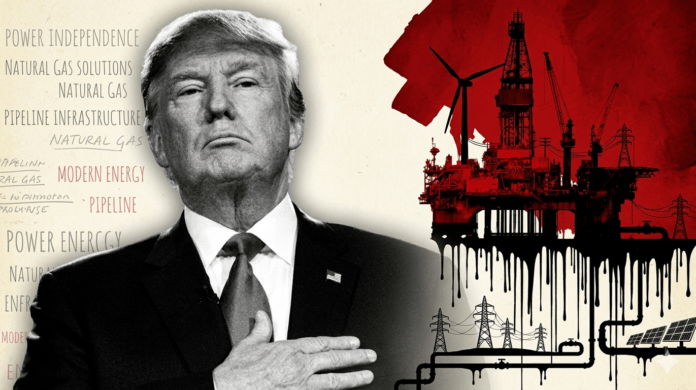

OIL PRICES SURGE AS GLOBAL MARKETS REACT TO RISING TENSIONS
Oil prices have recorded a sharp surge, crossing the $115 per barrel mark in early trading, as geopolitical tensions intensify and uncertainty grips global financial markets. The sudden spike in crude prices has sent ripples across economies, raising fresh concerns about inflation, consumer spending, and overall economic stability.
The rally in oil markets reflects growing anxiety among investors, as escalating developments have increased the risk premium attached to energy supplies. This has not only pushed crude prices higher but has also triggered a chain reaction across other asset classes, including equities, commodities, and currencies.
INFLATION FEARS INTENSIFY AMID RISING ENERGY COSTS
One of the most immediate consequences of the oil price surge is the renewed pressure on inflation. Higher energy costs typically translate into increased transportation, manufacturing, and production expenses, which eventually get passed on to consumers.
Economic projections now suggest that if oil prices remain elevated for several weeks, inflation could climb significantly, potentially reaching levels not seen in recent months. This scenario presents a serious challenge for policymakers, as rising inflation can erode purchasing power and slow down economic growth.
The situation is further complicated by the fact that inflation had only recently begun to stabilize. The current surge threatens to reverse that progress, placing additional strain on households already dealing with high living costs.
CONSUMERS FEEL THE IMPACT OF RISING FUEL PRICES
The surge in crude oil prices is already being felt at the consumer level, particularly through higher fuel costs. As prices at the pump rise, individuals are forced to allocate a larger portion of their income toward transportation expenses.
Over the past several weeks, the increase in fuel prices has led to billions in additional spending, highlighting the direct financial burden on consumers. This trend is expected to continue if oil prices remain at elevated levels, further squeezing household budgets.
Higher fuel costs also have a ripple effect across the economy, influencing the prices of goods and services. From food delivery to logistics, nearly every sector is impacted by rising energy expenses.
STOCK MARKETS DECLINE AS INVESTOR SENTIMENT WEAKENS
While oil prices have surged, equity markets have moved in the opposite direction. Stock futures opened lower, reflecting growing uncertainty and risk aversion among investors.
Major indices have experienced declines as market participants reassess their positions in light of the evolving situation. The drop in equities indicates a shift toward safer assets, as investors seek to protect their portfolios from potential volatility.
This divergence between rising oil prices and falling stock markets underscores the broader economic uncertainty. It also highlights how interconnected global markets are, with developments in one sector quickly influencing others.
MARKET VOLATILITY SPREADS ACROSS ASSET CLASSES
The impact of rising oil prices is not limited to equities and fuel costs. Other asset classes have also experienced significant movement, contributing to overall market volatility.
Natural gas prices have seen an uptick, reflecting increased demand for alternative energy sources. Meanwhile, gold has shown mixed performance, as investors weigh its role as a safe-haven asset against broader market dynamics.
This widespread volatility demonstrates the far-reaching implications of energy price fluctuations, affecting everything from commodities to financial instruments.
INVESTORS ADOPT A CAUTIOUS APPROACH
As uncertainty continues to rise, investors are adopting a more cautious stance. Many are closely monitoring developments and adjusting their strategies to mitigate potential risks.
The current environment has led to increased demand for defensive assets and a reduction in exposure to high-risk investments. This cautious approach is likely to persist until there is greater clarity on the situation and its potential outcomes.
Market participants are particularly focused on the timeline of ongoing developments, as any changes could have immediate and significant impacts on asset prices.
DIPLOMATIC EFFORTS AIM TO EASE TENSIONS
Despite the escalation, diplomatic efforts are ongoing behind the scenes. Various channels of communication remain active, with attempts being made to de-escalate the situation and find a resolution.
These efforts involve multiple parties working to keep dialogue open and prevent further deterioration. While progress has been limited so far, the continuation of talks offers a glimmer of hope for stabilizing the situation.
The outcome of these diplomatic initiatives will play a crucial role in determining the direction of oil prices and broader market trends in the coming weeks.
GLOBAL ECONOMIC OUTLOOK FACES NEW CHALLENGES
The recent surge in oil prices has introduced new challenges for the global economy. Higher energy costs, rising inflation, and increased market volatility all contribute to a more uncertain economic environment.
For businesses, this means higher operating costs and potential disruptions to supply chains. For consumers, it translates into reduced purchasing power and increased financial pressure.
Policymakers may also face difficult decisions, as they attempt to balance inflation control with economic growth. This could lead to changes in monetary policy, further influencing market dynamics.
LONG-TERM IMPLICATIONS OF SUSTAINED HIGH OIL PRICES
If oil prices remain elevated over an extended period, the long-term implications could be significant. Prolonged high energy costs can slow economic growth, reduce consumer spending, and impact investment decisions.
At the same time, sustained price increases may accelerate the shift toward alternative energy sources, as countries and businesses look for ways to reduce dependence on volatile oil markets.
The current situation serves as a reminder of the critical role energy plays in the global economy and the far-reaching consequences of disruptions in supply.
CONCLUSION: MARKETS ON EDGE AS UNCERTAINTY CONTINUES
The surge in oil prices has created a complex and challenging environment for both markets and consumers. With inflation fears rising and financial markets showing signs of stress, the coming weeks will be crucial in determining the direction of the global economy.
As developments continue to unfold, all eyes remain on energy markets and the broader geopolitical landscape. Whether stability returns or volatility persists will depend largely on how the situation evolves and how effectively it is managed.
For now, the sharp rise in oil prices stands as a clear indicator of heightened uncertainty, reminding investors and policymakers alike of the delicate balance that underpins the global economic system.
Read More
Govt to Provide Subsidies to Transporters via Digital Wallets