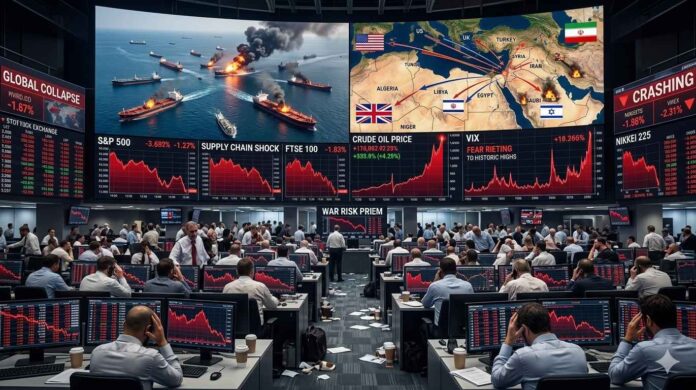

The Pakistan Stock Exchange witnessed a remarkable turnaround in April 2026, with the benchmark index staging a strong recovery despite a challenging economic and geopolitical backdrop. The rally was largely driven by a handful of influential stocks that played a pivotal role in lifting market sentiment and pushing the index higher.
During the month, the KSE-100 Index surged by over 14,000 points on a month-on-month basis, reflecting renewed investor interest and improved liquidity conditions. However, beneath the headline gains, the market remained highly volatile, with fluctuations driven by shifting investor expectations, global developments, and domestic economic indicators.
Early Momentum Fueled by Ceasefire Optimism
The initial phase of the market rally was fueled by optimism surrounding a potential ceasefire between major global players, which eased geopolitical tensions and boosted investor confidence. This development triggered strong buying activity in early trading sessions, leading to sharp gains across key sectors.
Investors responded positively to the possibility of reduced geopolitical risk, which often has a direct impact on global oil prices, trade flows, and investor sentiment in emerging markets. The improved outlook encouraged both institutional and retail investors to re-enter the market, contributing to the upward momentum.
This early optimism set the tone for the month, with several leading stocks recording significant gains and driving the overall index higher.
Volatility Returns as Economic Concerns Resurface
Despite the strong start, the market experienced increased volatility as the month progressed. Investor sentiment weakened due to a combination of factors, including weaker-than-expected corporate earnings and renewed uncertainty in global markets.
The initial enthusiasm gradually gave way to caution, as investors reassessed their positions in light of evolving economic conditions. Fluctuations in global commodity prices, currency movements, and domestic policy decisions added to the uncertainty.
This period of volatility highlighted the fragile nature of market confidence, where positive developments can quickly be overshadowed by emerging risks.
Trading Activity Sees Significant Surge
One of the most notable features of April 2026 was the sharp increase in trading activity. Average daily traded volume rose by 91 percent, reaching approximately 929 million shares, indicating heightened market participation.
Similarly, average traded value increased by 49 percent to around 148 million dollars, reflecting stronger investor engagement and higher transaction levels. This surge in activity suggests that the market attracted significant attention from both local and foreign investors.
Increased trading volumes often signal improved liquidity, which can enhance price discovery and make the market more attractive for large investors.
KSE-100 Index Delivers Positive Returns
By the end of April, the KSE-100 Index had posted a positive return of 9.6 percent, closing at 162,994 points. This performance represents a strong recovery compared to previous months and underscores the resilience of the market.
The gains were primarily driven by a select group of stocks that outperformed the broader market. These stocks, often referred to as market heavyweights, have a significant influence on index movements due to their large market capitalization.
Their strong performance helped offset weaknesses in other sectors, enabling the index to maintain an upward trajectory despite ongoing challenges.
Inflation Trends and Economic Indicators
On the macroeconomic front, inflation showed an upward trend, with the consumer price index rising to 7.3 percent year-on-year in March 2026. This marked the highest level observed in several months and indicated increasing price pressures in the economy.
Higher inflation can have mixed effects on the stock market. While it may signal economic activity, it can also lead to higher interest rates, which can dampen investment and consumption.
At the same time, the country recorded a significant improvement in its external position, with a current account surplus exceeding one billion dollars for the month. This development reflects stronger inflows and improved balance of payments, which can support currency stability and investor confidence.
Monetary Policy Tightening and Its Impact
In response to rising inflation and economic conditions, the central bank increased the policy rate by 100 basis points, bringing it to 11.5 percent. This move reflects a tightening of monetary policy aimed at controlling inflation and stabilizing the economy.
Higher interest rates can have a dampening effect on equity markets, as they increase the cost of borrowing and reduce the attractiveness of stocks compared to fixed-income investments. However, they can also signal a commitment to economic stability, which may reassure investors in the long term.
The rate hike added another layer of complexity to market dynamics, influencing investor decisions and sector performance.
Bond Market Developments and Yield Movements
The bond market also experienced notable changes during the month. In a key auction, the government rejected bids across multiple tenors as yields continued to rise, reflecting changing market expectations.
Short-term treasury bill yields increased significantly, with most acceptance concentrated in the shortest maturity. This trend indicates a preference for shorter-term investments amid uncertainty, as investors seek to minimize risk.
Rising yields can have implications for the broader financial market, affecting borrowing costs and investment flows.
Credit Rating and Global Reclassification
During the month, the country’s sovereign credit rating was maintained at its current level with a stable outlook. This indicates a degree of confidence in the country’s economic management and fiscal position.
In another significant development, a global financial institution reclassified the country into a different regional grouping, aligning it with economies in the Middle East and surrounding regions. This change reflects evolving economic ties and may influence future investment flows and policy considerations.
Such developments can shape investor perception and impact the country’s integration into global markets.
External Financing and Debt Management
On the external financing front, the country received the final tranche of financial support from a key partner, providing a boost to foreign exchange reserves. At the same time, significant repayments were made against maturing deposits, reflecting ongoing debt management efforts.
Additional funds were raised through international bond markets, demonstrating continued access to external financing. These developments highlight the importance of maintaining strong financial relationships and managing debt obligations effectively.
Efficient debt management is critical for ensuring economic stability and sustaining investor confidence.
Sectoral Performance Shows Mixed Trends
Different sectors of the economy showed varied performance during the month, reflecting the complex economic environment. The energy sector recorded strong growth, driven by increased demand and improved operational efficiency.
Petroleum sales saw a notable increase, supported by higher consumption across key segments. Similarly, refinery output improved, indicating stronger industrial activity.
In contrast, the construction sector faced challenges, with only modest growth in cement dispatches. While exports provided some support, domestic demand remained weak, highlighting ongoing structural issues.
Power Sector and Cost Dynamics
The power sector showed signs of improvement, with increased electricity generation and a reduction in generation costs. Lower costs can help reduce the financial burden on consumers and improve the overall efficiency of the energy system.
Stable power supply and cost management are essential for supporting industrial activity and economic growth. Improvements in this sector can have a positive ripple effect across the economy.
Automobile Industry Records Strong Growth
The automobile sector delivered impressive growth, with sales increasing significantly on a year-on-year basis. This surge reflects improving consumer demand and increased economic activity.
However, a slight decline on a monthly basis indicates that the recovery may not be uniform, and challenges remain in sustaining growth momentum.
The performance of the automobile sector is often seen as an indicator of broader economic trends, as it reflects consumer confidence and purchasing power.
Technology Exports Continue to Expand
The technology sector emerged as a strong performer, with exports showing robust growth both on a monthly and yearly basis. This highlights the increasing importance of digital services in the country’s export portfolio.
Technology exports contribute significantly to foreign exchange earnings and provide opportunities for innovation and job creation. Continued growth in this sector can play a key role in diversifying the economy.
Energy Discoveries Boost Future Prospects
A major discovery in the energy sector added to the positive outlook, with significant increases in oil and gas production capacity. Such developments can enhance energy security and reduce reliance on imports.
Increased domestic production can also support economic growth by providing a stable and affordable energy supply.
Conclusion
April 2026 proved to be a dynamic and eventful month for the Pakistan Stock Exchange, marked by strong gains, high volatility, and significant economic developments. The rally driven by key stocks demonstrated the market’s resilience, even in the face of challenging conditions.
While uncertainties remain, the overall performance highlights the potential for growth and recovery in the market. Continued improvements in economic indicators, policy measures, and sectoral performance will be crucial for sustaining this momentum.
As the market moves forward, investors will closely monitor both domestic and global developments, seeking opportunities while navigating the inherent risks of a rapidly changing economic landscape.
Read More
US Supports $2.4 Billion Investment in Pakistan Airport Security