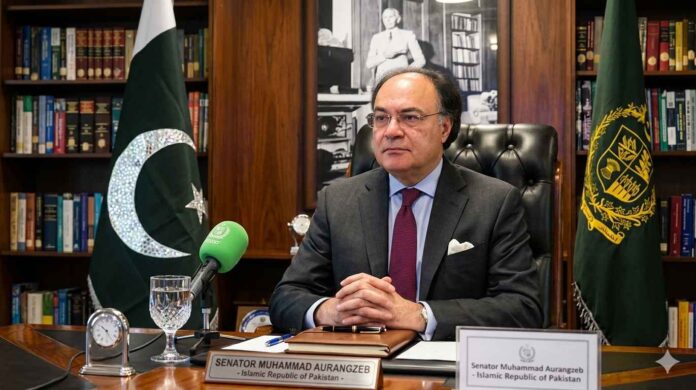

Pakistan Needs to Cut Imported Energy Reliance Amid Regional Unrest: Finance Minister
Regional Tensions Highlight Pakistan’s Economic Vulnerabilities
Pakistan is being urged to fundamentally rethink its energy and economic strategy following recent regional tensions that exposed the country’s heavy dependence on imported fuel. The finance minister has described the situation as a critical wake-up call, emphasizing that Pakistan must urgently reduce its reliance on external energy sources and move toward a more self-reliant economic model.
The warning comes at a time when geopolitical instability in key energy-producing regions has once again disrupted global markets, driving uncertainty in oil supply chains and creating pressure on countries that rely heavily on imports. For Pakistan, which imports a significant portion of its energy needs, these disruptions have highlighted long-standing structural weaknesses in the economy.
The recent developments have reinforced the need for strategic planning and policy reforms aimed at reducing exposure to global volatility. By shifting focus toward domestic resources and alternative energy solutions, Pakistan can better shield itself from external shocks and build a more resilient economic framework.
Shift Toward Domestic and Alternative Energy Sources
A central theme of the government’s strategy is the transition away from imported energy toward locally available and renewable resources. The finance minister has stressed that Pakistan must accelerate its adoption of alternative energy sources, including solar, wind, hydropower, and other sustainable options.
This transition is not only necessary for reducing import bills but also for ensuring long-term energy security. Renewable energy sources offer a more stable and predictable supply, reducing vulnerability to international price fluctuations and geopolitical tensions.
In addition to renewables, there is also a strong emphasis on utilizing domestic resources more effectively. This includes optimizing existing energy infrastructure, improving efficiency in power generation, and investing in new technologies that can enhance output while minimizing costs.
The shift toward local energy solutions is expected to have wide-ranging benefits, including job creation, technological advancement, and environmental sustainability. By investing in domestic energy production, Pakistan can stimulate economic growth while reducing its reliance on external suppliers.
Managing External Pressures on the Economy
Over the past several months, the government has taken steps to stabilize the economy amid heightened regional uncertainty. Efforts have focused on maintaining foreign exchange reserves and ensuring a steady supply of essential commodities, particularly oil and energy products.
The finance minister highlighted that significant work has been done to manage external pressures and prevent disruptions in energy supply. However, the situation has also underscored the country’s vulnerability to global events beyond its control.
Fluctuations in international oil prices can have an immediate impact on Pakistan’s economy, affecting everything from inflation to fiscal stability. A sudden increase in energy costs can strain government finances, widen the current account deficit, and increase the burden on consumers.
By reducing dependence on imported energy, Pakistan can mitigate these risks and create a more stable economic environment. This requires a coordinated approach that combines policy reforms, investment in infrastructure, and a commitment to long-term planning.
Strengthening Economic Self-Reliance
The push to reduce energy imports is part of a broader effort to achieve economic self-reliance. The finance minister has emphasized that Pakistan must increasingly make commercial and financial decisions based on national interests, rather than relying on external factors.
Economic self-reliance involves building a strong domestic foundation that can support growth and stability. This includes enhancing productivity, promoting local industries, and encouraging innovation across various sectors.
One of the key components of this strategy is the mobilization of domestic capital. By leveraging local resources and encouraging investment within the country, Pakistan can reduce its dependence on foreign financing and strengthen its economic independence.
The concept of self-reliance also extends to fiscal management. By improving revenue collection, controlling expenditures, and maintaining a balanced budget, the government can create a more sustainable economic framework that is less vulnerable to external shocks.
Role of Capital Markets in Economic Transformation
Capital markets have been identified as a crucial tool for achieving economic self-reliance. The finance minister has highlighted their importance in mobilizing domestic savings, attracting investment, and supporting business growth.
A well-developed capital market can provide businesses with access to funding, enabling them to expand operations, invest in new technologies, and create jobs. It also offers individuals an opportunity to participate in economic growth through investments in stocks, bonds, and other financial instruments.
Despite their potential, capital markets in Pakistan remain underdeveloped, with a relatively small portion of the population actively participating. This represents a significant opportunity for growth, as expanding market participation can unlock substantial financial resources.
By strengthening the regulatory framework, improving transparency, and increasing public awareness, the government aims to encourage more people to invest in formal financial markets. This, in turn, can reduce reliance on external borrowing and contribute to long-term economic stability.
Expanding Financial Inclusion and Investor Base
One of the major challenges facing Pakistan’s financial system is the low level of participation in capital markets. Currently, only a small fraction of the population is involved in formal investment activities, highlighting a significant gap in financial inclusion.
Efforts are underway to address this issue by expanding the investor base and making financial markets more accessible to a broader segment of the population. The goal is to significantly increase the number of investors through targeted reforms, awareness campaigns, and the introduction of user-friendly investment platforms.
A particular focus is being placed on attracting young people and first-time investors. By engaging the younger generation, the government aims to create a culture of saving and investment that can support economic growth over the long term.
Educational initiatives and digital tools are expected to play a key role in this process, helping individuals understand the benefits of investing and navigate the complexities of financial markets. Increased participation can lead to a more dynamic and resilient economy, with greater opportunities for wealth creation.
Improving Key Economic Indicators
The government’s strategy also includes a strong focus on improving key economic indicators, such as the current account balance and the fiscal deficit. These indicators are critical for assessing the overall health of the economy and its ability to sustain growth.
Reducing the current account deficit requires a combination of measures, including increasing exports, reducing imports, and enhancing competitiveness. By lowering energy imports, Pakistan can make significant progress toward achieving a more balanced external account.
Similarly, controlling the fiscal deficit involves managing government spending and increasing revenue generation. Efficient energy policies can contribute to this goal by reducing subsidies and improving cost recovery in the power sector.
Maintaining stability in these areas is essential for building investor confidence and attracting both domestic and foreign investment. A stable economic environment can support growth, create jobs, and improve living standards for the population.
Strategic Approach to Regional Uncertainty
While efforts are being made to reduce dependence on imported energy, the government is also actively engaged in diplomatic and strategic initiatives to manage regional tensions. Maintaining stability in the region is crucial for ensuring uninterrupted trade and energy supplies.
At the same time, the finance minister has stressed the importance of adopting a cautious and forward-looking approach. This involves preparing for potential disruptions and developing contingency plans to mitigate their impact.
A strategic approach to economic management includes diversifying energy sources, strengthening supply chains, and building reserves that can provide a buffer during periods of uncertainty. By taking proactive measures, Pakistan can reduce its exposure to external risks and enhance its resilience.
Long-Term Vision for Sustainable Growth
The emphasis on reducing imported energy dependence is part of a broader vision for sustainable economic growth. By aligning energy policy with economic objectives, Pakistan can create a more balanced and resilient economy.
Investing in renewable energy, strengthening domestic industries, and expanding financial markets are all key components of this vision. Together, these measures can support long-term growth, improve living standards, and reduce vulnerability to external shocks.
The transition to a more self-reliant economy will require sustained effort and collaboration between the government, private sector, and the public. It will also involve making difficult decisions and implementing reforms that may take time to yield results.
However, the potential benefits are substantial. A more independent and resilient economy can provide greater stability, create new opportunities, and position Pakistan for success in an increasingly complex global environment.
Conclusion
The recent regional tensions have served as a powerful reminder of the challenges associated with heavy reliance on imported energy. By taking decisive action to reduce this dependence and strengthen economic self-reliance, Pakistan can build a more stable and sustainable future.
The government’s focus on alternative energy, domestic resource utilization, and capital market development reflects a comprehensive approach to addressing these challenges. With the right policies and continued commitment, Pakistan has the potential to transform its economic landscape and achieve long-term growth and stability.
Read More
Power Consumers Likely to Receive Rs. 63 Billion Relief Nationwide