
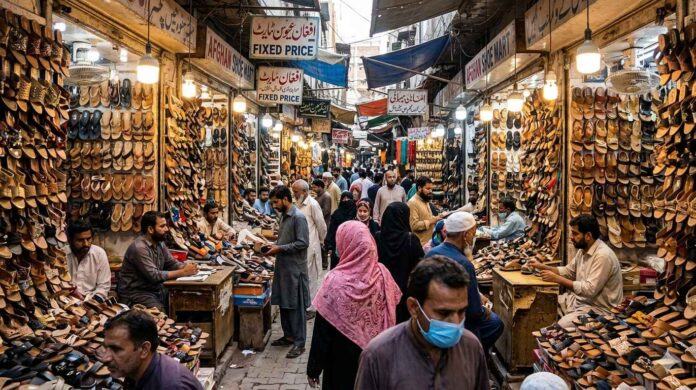

Lahore Traders Call for Round-the-Clock Market Operations During Eid
As Eid approaches and shopping activity begins to intensify across Lahore, the city’s trading community has called on authorities to allow markets, shopping centers, grocery stores, and commercial areas to remain open 24 hours a day during the festive season. Traders believe that uninterrupted business operations during Eid days would significantly benefit retailers, consumers, and the broader economy while helping markets manage the heavy rush of shoppers more efficiently.
Business leaders and representatives from Lahore’s commercial sector say Eid is traditionally one of the most profitable periods of the year for retailers. Markets across the city witness a dramatic rise in customer traffic as families purchase clothing, shoes, accessories, gifts, home décor, groceries, sweets, and other festive items. Traders argue that restricting business hours during such a critical commercial period could negatively impact sales and reduce opportunities for both large retailers and small shopkeepers.
According to members of Lahore’s business community, extending market timings or allowing nonstop operations during the Eid season would ease overcrowding, improve shopping convenience, and create a more vibrant commercial environment. They say shoppers often prefer visiting markets late at night due to cooler temperatures, lighter traffic, and flexible schedules, especially during the final days before Eid when demand reaches its peak.
Eid Shopping Season Remains Crucial for Lahore’s Economy
Retail activity during Eid contributes significantly to Lahore’s local economy. Commercial hubs such as Liberty Market, Anarkali Bazaar, Ichhra, Township, DHA commercial areas, Gulberg, Hall Road, and numerous shopping malls experience massive increases in footfall during the festive period. Traders claim that businesses often rely on Eid sales to recover costs, improve annual revenue, and sustain operations for the months ahead.
For many small and medium-sized enterprises, Eid shopping provides one of the strongest opportunities to generate profits. Garment shops, shoe outlets, cosmetics retailers, jewelry stores, tailoring businesses, food vendors, and grocery chains all benefit from the surge in consumer spending. Business owners say longer market hours could help maximize this economic activity while allowing consumers to shop more comfortably.
Traders also believe that round-the-clock business operations would support employment opportunities. Seasonal workers, sales staff, delivery riders, transport operators, food vendors, and temporary laborers often experience higher demand during Eid shopping weeks. Extended market timings could create additional shifts and employment opportunities for thousands of workers connected to the retail economy.
Retailers Stress Need for Flexible Business Hours
Representatives from Lahore’s trading sector argue that modern shopping trends require more flexibility in market operations. Consumer behavior has changed significantly in recent years, particularly in urban centers where many people prefer shopping during nighttime hours after work or family commitments.
Retailers say the traditional model of limited business hours may no longer meet the needs of today’s consumers during high-demand festive seasons. Allowing businesses to operate continuously would give customers more time to shop while reducing overcrowding during specific peak hours.
Many traders believe late-night shopping has become a strong part of Lahore’s Eid culture. Families often visit markets after dinner and continue shopping until early morning hours. Restaurants, tea stalls, dessert shops, and roadside vendors also benefit from increased nighttime commercial activity, creating a lively festive atmosphere throughout the city.
Business leaders say authorities should consider the economic value generated during Eid shopping weeks rather than focusing solely on restrictions. They argue that a more business-friendly approach could strengthen economic confidence and encourage greater spending during the festive season.
Chain Stores and Grocery Outlets Also Support Extended Operations
Large retail chains and grocery stores are also expected to benefit from uninterrupted operations during Eid days. Supermarkets and grocery outlets typically face enormous crowds before Eid as families purchase food items, beverages, meat, sweets, bakery products, and household essentials for celebrations.
Retail experts say allowing grocery stores to remain open 24 hours would reduce long queues and improve customer convenience. Instead of concentrating crowds into limited shopping hours, extended operations would distribute customers more evenly throughout the day and night.
Shopping malls and commercial centers may also experience increased revenue through longer business activity. Restaurants, entertainment facilities, cafés, and parking services within these commercial areas often see higher demand during Eid shopping periods. Continuous operations could further stimulate economic movement across multiple sectors connected to retail and hospitality.
Consumers Likely to Benefit From Reduced Crowds
Traders argue that extended market timings would not only help businesses but also improve the shopping experience for the public. Lahore’s major markets often become extremely crowded in the final days before Eid, creating traffic congestion, parking shortages, and difficulties for families trying to shop comfortably.
Allowing 24-hour operations could help spread customer visits across different times of the day and night, reducing pressure during peak evening hours. Consumers who prefer quieter shopping environments could choose late-night or early-morning hours, while families with busy schedules would gain greater flexibility.
Many residents also prefer nighttime shopping because temperatures are generally lower, particularly during warmer months. Cooler weather conditions make outdoor markets and crowded bazaars more comfortable for families, children, and elderly shoppers.
Business groups believe improved crowd management through extended hours could also enhance safety and reduce stress in commercial areas. Instead of overwhelming markets during limited time windows, customer traffic could remain more balanced throughout the festive period.
Lahore’s Commercial Activity Continues to Expand
Lahore remains one of Pakistan’s largest commercial and retail centers, with growing consumer demand driving rapid expansion in shopping malls, supermarkets, online delivery services, and traditional bazaars. Eid shopping seasons often serve as indicators of consumer confidence and retail performance within the city.
Economic analysts say strong retail activity during festive periods can positively impact related industries such as transportation, packaging, logistics, manufacturing, textiles, footwear, and food production. Increased sales during Eid often create ripple effects throughout the wider economy.
The demand for extended shopping hours reflects Lahore’s evolving urban lifestyle and expanding population. As the city continues to grow, commercial activity has increasingly shifted toward flexible operating schedules, particularly during festivals and public holidays.
Many traders believe the government should adapt policies to support changing market trends and encourage greater economic activity during peak shopping periods. They argue that allowing nonstop business operations for a limited festive period could provide substantial economic benefits without creating major disruptions.
Business Community Highlights Economic Importance of Eid
The Eid season is widely considered one of the most important commercial periods of the year in Pakistan. Retailers spend months preparing inventory, promotional campaigns, seasonal collections, and special discounts aimed at attracting customers.
Fashion brands launch Eid collections, tailors receive heavy order volumes, bakeries increase production, and shopping centers invest in decorations and promotional activities. The entire retail ecosystem becomes heavily dependent on strong consumer spending during this period.
Traders say policies that encourage commercial activity during Eid could help businesses recover from inflationary pressures, rising operational costs, and slower economic periods experienced throughout the year. Many shopkeepers continue to face challenges related to electricity prices, rent increases, taxation, and supply chain costs.
Business representatives believe that easing restrictions during Eid shopping weeks would send a positive signal to the retail sector and strengthen confidence among investors and entrepreneurs. They say supportive policies could encourage more spending, improve market sentiment, and contribute to stronger economic momentum.
Traffic Management and Security Remain Important Concerns
While traders strongly support nonstop market operations, they also acknowledge the need for effective traffic management and security arrangements. Lahore’s major commercial areas often experience severe congestion during Eid shopping days, particularly in densely populated markets and busy commercial districts.
Business leaders have urged authorities to improve parking arrangements, traffic flow systems, and public transportation services if extended market hours are approved. They say better coordination between market associations, traffic police, and local administration would help ensure smooth operations during the festive rush.
Security also remains an important consideration during large-scale shopping periods. Traders have called for enhanced security patrols, surveillance systems, and emergency response measures to maintain public safety in crowded commercial areas.
Retail associations believe that proper planning and coordination can allow extended business activity without causing significant administrative difficulties. They say many markets already operate late into the night during Eid periods, making a formal extension of hours a practical step.
Digital Payments and Online Shopping Also See Growth During Eid
The Eid shopping boom has also accelerated the use of digital payments and online retail services in Lahore. Many retailers now offer online ordering, home delivery, and digital payment options alongside physical shopping experiences.
Extended market operations could further increase commercial activity across e-commerce platforms, delivery services, and digital payment providers. Businesses increasingly combine physical and online sales strategies to meet changing consumer preferences during high-demand seasons.
Food delivery services, ride-hailing platforms, and courier companies also experience rising demand during Eid shopping weeks. Continuous market operations may help these sectors maintain smoother workflows while reducing delivery delays caused by concentrated shopping rushes.
Retail experts say Lahore’s growing integration of traditional markets and digital commerce reflects broader changes in consumer behavior and urban business practices. The city’s retail landscape continues evolving as businesses seek new ways to attract customers and improve convenience.
Authorities Yet to Announce Final Decision
Despite strong demands from the trading community, authorities have not yet announced a final decision regarding 24-hour market operations during Eid. However, traders remain hopeful that the government will adopt flexible policies to support business activity and facilitate consumers during the festive period.
Business groups continue to emphasize that Eid shopping plays a major role in supporting Lahore’s commercial economy and generating revenue across multiple sectors. They argue that uninterrupted market operations could help maximize economic opportunities while improving convenience for millions of shoppers preparing for the celebrations.
As Eid draws closer, commercial areas across Lahore are already witnessing growing customer activity, festive decorations, promotional campaigns, and increased inventory supplies. Retailers expect shopping momentum to intensify further in the coming days as families finalize preparations for one of the most celebrated occasions of the year.
The debate over extended market hours highlights the growing importance of Lahore’s retail economy and the evolving relationship between commerce, urban lifestyles, and consumer demand. Whether authorities approve 24-hour operations or introduce partial extensions, traders remain determined to push for policies that support business growth during one of the busiest shopping seasons in Pakistan.
Read More
Imported Smartwatches and Smart Rings Get Revised Customs Values in Pakistan


