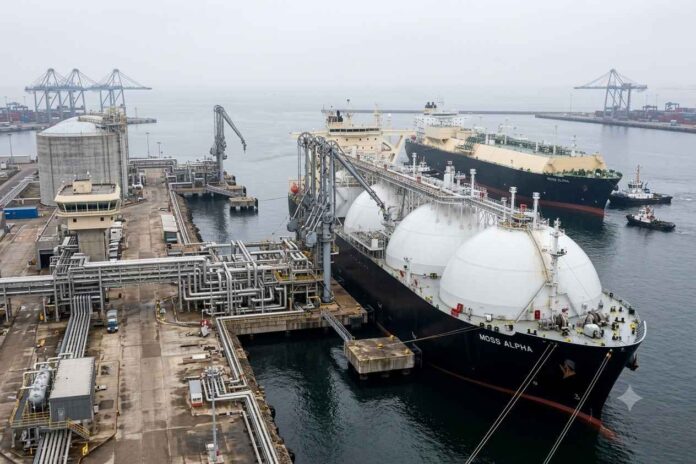

Pakistan has returned to the liquefied natural gas (LNG) spot market amid growing concerns that renewed instability around the Strait of Hormuz could disrupt energy shipments from the Gulf region. The development highlights the country’s continued dependence on imported energy supplies and underscores the vulnerability of its energy sector to geopolitical tensions beyond its borders.
Authorities have initiated an urgent effort to secure an LNG cargo for immediate delivery as concerns mount over the possibility of shipping disruptions in one of the world’s most critical energy transit routes. The move reflects a precautionary strategy aimed at protecting domestic gas supplies and preventing a repeat of shortages that have affected industries, households, and electricity generation in the recent past.
The decision comes at a time when regional tensions remain elevated and global energy markets are closely monitoring developments in the Gulf. For Pakistan, which relies heavily on imported LNG to meet domestic demand, even the perception of risk around key shipping lanes can have significant implications for supply security and pricing.
Pakistan Moves Quickly to Secure Emergency LNG Supplies
The latest procurement effort demonstrates the urgency with which policymakers are approaching the current situation. LNG has become a critical component of Pakistan’s energy mix over the last decade, helping bridge the gap between domestic gas production and rising consumption.
As indigenous gas reserves continue to decline, imported LNG has emerged as an essential source of fuel for power plants, industrial users, and residential consumers. Any interruption in LNG arrivals can quickly translate into supply shortages, forcing authorities to implement gas load management measures and affecting economic activity.
By seeking additional LNG cargoes through the spot market, Pakistan aims to create a buffer against potential disruptions and ensure that sufficient gas remains available during a period of heightened uncertainty. Spot purchases often come at a premium compared to long-term contractual supplies, but governments frequently use them as a tool to manage short-term supply risks and respond to unexpected market developments.
The urgency of the current procurement reflects concerns that shipping routes through the Gulf could face renewed challenges if regional tensions escalate further.
Why the Strait of Hormuz Matters for Pakistan
The Strait of Hormuz occupies a uniquely important position in global energy trade. A substantial share of the world’s crude oil and LNG exports pass through this narrow waterway every day, making it one of the most strategically significant maritime routes on the planet.
For Pakistan, the importance of the strait is even greater because much of its imported LNG originates from suppliers located in the Gulf region. Any disruption to shipping traffic can delay cargo deliveries, increase transportation costs, and create uncertainty in domestic energy planning.
When shipping risks rise, energy traders often respond by increasing premiums, while vessel operators may alter routes or delay movements. These developments can push up LNG prices and complicate procurement efforts for import-dependent countries.
Even temporary disruptions can have ripple effects throughout the energy sector. Delayed LNG shipments can reduce gas availability, affect electricity generation, and increase reliance on alternative fuels that may be more expensive or less environmentally friendly.
The latest concerns surrounding the Strait of Hormuz have therefore prompted Pakistan to adopt a cautious approach and seek additional supplies before any potential disruptions materialize.
Pakistan’s Growing Dependence on LNG Imports
Pakistan’s energy landscape has changed significantly over the past decade. Domestic natural gas production, once sufficient to meet much of the country’s demand, has struggled to keep pace with growing consumption driven by population growth, urbanization, and industrial expansion.
To address widening supply gaps, Pakistan invested heavily in LNG import infrastructure, including regasification terminals and associated transmission networks. These investments allowed the country to import LNG on a large scale and integrate it into the national energy system.
Today, LNG plays a vital role in supporting power generation, industrial production, fertilizer manufacturing, and residential gas consumption. The fuel has become particularly important during periods of peak demand when domestic production alone cannot meet national requirements.
While LNG imports have helped alleviate energy shortages, they have also increased Pakistan’s exposure to global market volatility. International price fluctuations, shipping disruptions, and geopolitical developments can directly affect the country’s energy costs and supply security.
The latest procurement effort illustrates how international events continue to influence domestic energy planning and policy decisions.
Lessons from Previous Supply Disruptions
Pakistan has already experienced the consequences of LNG supply challenges in recent years. Delayed cargo arrivals and difficulties in securing supplies during periods of tight global markets have contributed to gas shortages and operational difficulties across multiple sectors.
Industries that rely heavily on natural gas have faced production disruptions, while power producers have had to adjust fuel strategies to maintain electricity generation. Households have also experienced reduced gas availability during peak winter demand periods.
These experiences have reinforced the importance of maintaining adequate supply buffers and diversifying procurement strategies. Policymakers increasingly recognize that energy security requires not only access to supplies but also resilience against unexpected disruptions.
The current effort to secure additional LNG cargoes reflects these lessons and demonstrates a proactive approach to risk management.
Rather than waiting for disruptions to occur, authorities appear determined to strengthen supply positions in advance and reduce the likelihood of shortages affecting consumers and businesses.
Impact on Electricity Generation and Industry
Reliable LNG supplies are essential for Pakistan’s electricity sector. Natural gas-fired power plants contribute significantly to the national grid and play a crucial role in balancing electricity demand.
If LNG imports are disrupted, power producers may be forced to rely on alternative fuels that can increase generation costs. Higher fuel costs can eventually affect electricity tariffs, placing additional pressure on consumers and businesses.
Industrial sectors are equally vulnerable. Manufacturing industries depend on stable energy supplies to maintain production schedules and remain competitive in export markets. Interruptions in gas availability can reduce output, increase costs, and weaken overall economic performance.
The textile sector, fertilizer manufacturers, food processing industries, and other major economic contributors all benefit from predictable gas supplies. Maintaining LNG imports therefore has implications that extend far beyond the energy sector itself.
By moving quickly to secure additional cargoes, authorities are seeking to protect both energy stability and broader economic activity.
Global LNG Markets React to Geopolitical Risks
The LNG market is highly sensitive to geopolitical developments. News of potential disruptions in major shipping corridors can trigger immediate reactions among traders, suppliers, and buyers.
When uncertainty rises, market participants often seek to secure supplies earlier than planned, increasing competition for available cargoes. This heightened demand can contribute to price volatility and make procurement more challenging for import-dependent countries.
Countries across Asia, Europe, and other regions compete for LNG supplies, particularly during periods of market tightness. In such an environment, timely procurement becomes increasingly important.
Pakistan’s return to the spot market reflects broader concerns shared by energy-importing nations worldwide. Governments and utilities are closely monitoring developments and evaluating contingency measures to ensure supply continuity.
The situation highlights how interconnected global energy markets have become and how regional geopolitical developments can influence energy decisions thousands of kilometers away.
The Need for Long-Term Energy Security
While emergency LNG procurement can help address immediate concerns, the current situation also raises broader questions about Pakistan’s long-term energy strategy.
Reducing vulnerability to external shocks will require a comprehensive approach that includes diversification of supply sources, investment in domestic energy production, expansion of renewable energy capacity, and improvements in energy efficiency.
Renewable energy technologies such as solar and wind power offer opportunities to reduce dependence on imported fuels while supporting environmental sustainability goals. Expanding these resources can strengthen energy security and provide greater resilience against global market disruptions.
At the same time, continued investment in transmission infrastructure, storage capacity, and energy management systems can improve the country’s ability to respond to unexpected supply challenges.
Building a more diversified and resilient energy system remains a key objective for policymakers seeking to balance economic growth with energy security.
Economic Implications of Rising Energy Risks
Energy security is closely linked to economic stability. Rising LNG procurement costs can affect government finances, industrial competitiveness, and inflation dynamics.
If geopolitical tensions lead to sustained increases in global energy prices, import bills may rise significantly. Higher energy costs can place pressure on foreign exchange reserves and complicate macroeconomic management.
Businesses may also face higher operating expenses, particularly in energy-intensive industries. These additional costs can influence investment decisions, export competitiveness, and employment levels.
Consumers are not immune to these effects. Increases in energy costs often translate into broader inflationary pressures that affect household budgets and purchasing power.
The government’s efforts to secure LNG supplies therefore represent not only an energy policy response but also an economic risk-management strategy designed to limit potential disruptions.
Outlook for Pakistan’s Energy Market
The coming weeks will be closely watched by energy market participants, policymakers, and businesses as developments in the Gulf continue to unfold. Much will depend on the trajectory of regional tensions and the ability of global shipping networks to maintain uninterrupted operations.
For now, Pakistan’s return to the LNG spot market reflects a pragmatic response to emerging risks. By seeking additional cargoes and strengthening supply security, authorities aim to ensure that domestic energy needs continue to be met despite growing uncertainty in international markets.
The episode serves as a reminder of the strategic importance of energy planning in an increasingly interconnected world. As geopolitical events continue to influence global energy flows, countries that depend on imported fuels must remain vigilant and adaptable.
Pakistan’s latest move highlights both the challenges and realities of managing energy security in a volatile global environment. While emergency procurement can provide short-term protection, the experience is likely to reinforce calls for deeper structural reforms aimed at building a more resilient and diversified energy future.
As the situation develops, ensuring uninterrupted LNG supplies will remain a priority for policymakers seeking to protect economic stability, maintain industrial activity, and safeguard energy availability for millions of consumers across the country.
Read More
Government to Review 30-Year Lease Extension Granted to Engro Vopak Terminal