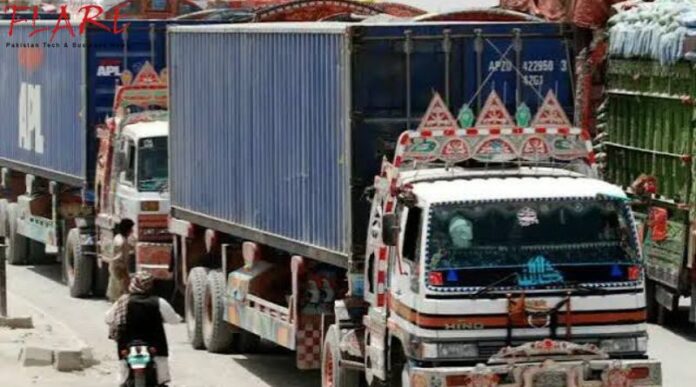

Pakistan’s nationwide goods transport strike is set to continue after another round of talks between transporters and the federal government failed to produce a final agreement. Transporters have made it clear that they will not bring their vehicles back onto the roads until their main demands are accepted and the government issues clear orders to address their concerns.
The ongoing strike has created serious concerns for businesses, traders, industries, farmers and ordinary consumers across the country. Goods transporters play a major role in moving food, fuel, raw materials, imported goods and other important products from one part of Pakistan to another. If the strike continues for a longer period, its effects could become more visible in markets and supply chains.
The latest failure in talks shows that the dispute between the government and transporters is still far from being settled. Both sides have already held several meetings, but they have not been able to reach an agreement that would convince transporters to call off the strike.
Talks End Without a Final Agreement
The latest negotiations between the federal government and representatives of the All Pakistan Goods Transport Owners Association ended without a final deal. Transporters were expecting the government to provide clear answers to their demands, but the meeting did not result in a solution acceptable to both sides.
Transport representatives have therefore decided to continue the nationwide wheel-jam strike. Their position is simple: vehicles will remain off the roads until their concerns are properly addressed.
The latest meeting was part of a wider effort by the government to end the strike and restore the movement of goods across the country. Earlier negotiations had also failed to bring a breakthrough. Reports said discussions with both federal and provincial authorities had not produced the results transporters were looking for.
The transporters believe that promises alone are not enough. They want official action and written orders on their demands before they agree to end the protest.
Why Are Transporters on Strike?
The current protest is linked to several issues faced by the goods transport sector. Transporters have raised concerns about fuel costs, taxes, toll charges, fines and other expenses that they say have made their business increasingly difficult.
One major concern is the way diesel prices are being revised. Transport operators depend heavily on diesel, so even a small increase can raise the cost of running trucks, trailers and tankers. Higher fuel costs then affect the overall cost of moving goods.
Transporters have also complained about toll charges and other costs connected with operating vehicles on highways. They argue that the total cost of transportation has increased while the business environment has become harder for vehicle owners and operators.
The sector has been asking the government to take practical steps to reduce the financial pressure on transport businesses. Their representatives want their demands to be addressed through proper government notifications rather than verbal assurances.
Government Attempts to Resolve the Dispute
The government has been trying to bring transport representatives back to the negotiating table. Officials have held meetings with representatives of the transport sector in an effort to find a solution and prevent the strike from causing further problems.
However, negotiations have repeatedly ended without a complete agreement. The latest round was also unable to convince the transporters to withdraw their protest.
The government has previously indicated that it wants the issues of goods transporters to be resolved through talks. Transport representatives were invited for discussions as authorities tried to prevent the strike from continuing for a long period.
Despite these efforts, the two sides remain apart on important points.
For transporters, the key issue is getting clear action on their demands. For the government, finding a solution that can be implemented across the country while managing the wider economic impact is also important.
Nationwide Strike Creates Supply Concerns
A long transport strike can affect almost every part of the economy because Pakistan depends heavily on road transport for the movement of goods.
Trucks and other commercial vehicles carry products from ports, factories, warehouses and farms to markets and shops. They also move imported products from ports to different cities and transport locally produced goods to other parts of the country.
When these vehicles stop operating, the normal flow of goods is disturbed.
The first impact may be seen in wholesale markets, where traders depend on regular deliveries. If supplies become limited, businesses may find it harder to meet customer demand.
Industries can also face problems if raw materials are not delivered on time. Factories need a regular supply of materials to keep their production lines running. A prolonged strike could therefore create pressure on manufacturers and other businesses.
Farmers and agricultural traders may also face difficulties. Fresh produce needs to reach markets quickly. Any major delay in transportation can increase waste and create financial losses.
Possible Impact on Prices
Another major concern is the possible effect of the strike on prices.
When transportation becomes difficult, the cost of moving goods can rise. Businesses may then pass some of these additional costs on to customers. If the strike continues for an extended period, shortages of certain products could also push prices higher.
This does not mean that the price of every product will immediately increase. The impact will depend on how long the strike continues, the availability of existing stocks and whether alternative transport arrangements can be made.
However, a long disruption in road transport could create additional pressure on businesses and consumers at a time when many households are already trying to manage higher living costs.
Fuel Supply Is Another Concern
Fuel transportation is particularly important because oil tankers are also part of the wider transport sector affected by the dispute.
Fuel is needed by cars, buses, trucks, factories, generators and many other parts of the economy. Any major disruption in the movement of petroleum products can create concerns about fuel availability.
Reports have already highlighted the wider pressure surrounding fuel prices and the transport sector. The government has also recently revised petrol and diesel prices, with petrol becoming cheaper while high-speed diesel became more expensive.
For transporters, diesel remains one of the biggest running costs. This is why changes in diesel prices are closely watched by truck and tanker operators.
If transport costs continue to rise, operators say it becomes difficult to maintain profitable services without increasing freight charges.
Businesses Face Uncertainty
The strike is not only an issue for transporters. It is also creating uncertainty for businesses that depend on regular movement of goods.
Importers may face delays in moving containers from ports. Exporters may have difficulty sending products to ports on schedule. Manufacturers may experience delays in receiving raw materials, while retailers may struggle to restock their shops.
This creates a chain reaction.
A truck that does not move goods today can affect several businesses tomorrow. A factory waiting for materials may reduce production. A trader waiting for stock may not be able to supply customers. A shopkeeper may have fewer products available for sale.
For this reason, business groups are likely to remain concerned if the strike continues for several more days.
Transporters Want Written Orders
One of the most important points in the dispute is the demand for clear government action.
Transport representatives have previously said that they would not end the strike simply on the basis of promises. They want official notifications covering the issues they have raised. Earlier reports said transporters decided to keep their vehicles off the roads until their demands were fulfilled through notifications.
This has made negotiations more difficult.
The government may agree in principle to consider some demands, but transporters want confirmation that those decisions will actually be implemented. Until they receive that confidence, their leadership has decided to continue the protest.
This difference between promises and written action remains one of the main reasons the dispute has not been resolved.
Strike Started After Earlier Talks Failed
The current nationwide strike did not begin suddenly. Transporters had already warned that they would stop operations if negotiations failed.
Before the nationwide action started, representatives of goods transporters held talks with federal and provincial authorities. Those discussions failed to produce a solution, leading the transport alliance to announce an indefinite strike from August 8.
The announcement raised concerns about possible disruption to freight movement across Pakistan.
Transporters said they would keep their vehicles off the roads until their demands were accepted. Some arrangements were initially made regarding certain import and export container movements, but the wider strike continued.
Since then, negotiations have continued, but no final agreement has been reached.
Government Under Pressure to Find a Solution
The longer the strike continues, the greater the pressure on the government to find a practical solution.
Authorities need to consider the concerns of transporters while also protecting the movement of essential goods. A settlement could help prevent wider problems for businesses, markets and consumers.
At the same time, the government has to consider the financial impact of any concessions it makes. Changes related to fuel, taxes, tolls and other charges can affect government revenue and transport costs across the economy.
This makes the issue more complicated than simply ending the strike.
A successful agreement will likely require both sides to make some adjustments and agree on steps that can be implemented in practice.
What Could Happen Next?
For now, transporters have decided to continue their nationwide strike. Their decision means that road-based goods movement is likely to remain under pressure until another breakthrough is achieved.
The government could call further meetings with transport representatives in an attempt to close the remaining gaps. If officials provide written assurances or notifications on key demands, transporters may reconsider their position.
However, if talks continue without producing concrete results, the strike could remain in place and create greater problems for the supply of goods.
The situation will therefore depend heavily on what happens in the next round of negotiations.
A Solution Is Important for Everyone
The dispute between transporters and the government is not only about the transport industry. It has the potential to affect the wider economy and ordinary people.
Read Also: check