
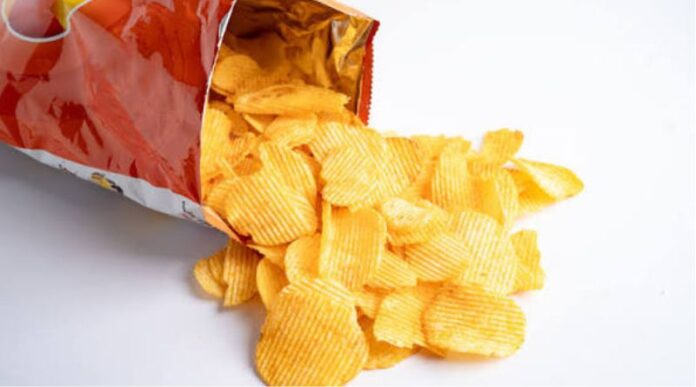

Imported potato chips may soon become much more expensive for Pakistani consumers after Pakistan Customs revised the official customs values used to calculate duties and taxes on these products.
The new values cover several popular imported potato chip brands sold in Pakistan, including Lay’s, Pringles, Kettle, Hunter’s, Ligo, Kracks, Mister Chips and others. Since the customs value of many brands has been increased, importers may have to pay more duties and taxes when bringing these products into the country.
As a result, the higher cost could eventually be passed on to consumers through increased prices at supermarkets, grocery stores and other retail shops.
The Directorate General of Customs Valuation has introduced the new rates through a fresh valuation ruling. The decision replaces the previous valuation system introduced in 2024. Customs officials said the older values were no longer matching current international market prices and therefore needed to be updated.
New Customs Values Announced for Imported Chips
Under the new ruling, Pakistan Customs has fixed separate customs values for different imported potato chip brands. These values are used as a base for calculating the duties and taxes payable on imported goods.
Among the major brands covered by the ruling, Kettle has received the highest customs value at $5.85 per kilogram. Lay’s has been placed at $5.50 per kilogram, while Pringles has been valued at $5.10 per kilogram.
Chizzpa, Master and other brands that are not separately listed have been assigned a customs value of $4.50 per kilogram. Hunter’s has been valued at $4.45 per kilogram.
Meanwhile, Ligo, Kracks and Mister Chips have each been assigned a value of $3.10 per kilogram. Mister Potato Chips has been placed at $2.55 per kilogram, while Crunchitos and Daffodil have also been valued at the same level.
Poppin has received the lowest customs value among the brands listed in the new ruling, at $2.45 per kilogram.
These changes may look like simple figures on a government document, but they can have a direct effect on the final prices paid by consumers. When the official value used by Customs goes up, the duties and taxes on imported goods can also increase. Importers may then raise wholesale prices to recover their additional costs, and retailers may eventually increase the prices charged to customers.
Why Did Pakistan Customs Change the Values?
According to Customs, the review was started after importers asked the authorities to revise the existing valuation ruling and include more brands.
The previous customs values had been in place since 2024. Over time, international prices, shipping costs and other market conditions can change. Customs concluded that the earlier values were no longer properly reflecting the current prices of these imported products in international markets.
Before issuing the new ruling, the Directorate General of Customs Valuation carried out a detailed review. Officials looked at import data from the previous 90 days and examined documents provided by importers. They also conducted market checks and studied the prices and package sizes of different brands.
The purpose of this exercise was to decide new values that Customs believes better match the present market situation. The ruling applies to imported potato chips from all countries and covers different brands under the relevant Pakistan Customs tariff classification.
Popular Brands Could Become Costlier
For many Pakistani consumers, imported chips are already expensive compared with locally made snack products. Brands such as Pringles, Lay’s and Kettle are usually treated as premium products because of their international brand names, imported packaging and higher overall costs.
The latest customs revision could make these products even more costly.
Kettle has received the highest new customs value, followed by Lay’s and Pringles. This means that the cost of importing these products may rise, depending on the actual purchase price, freight charges and applicable duties and taxes.
However, it is important to understand that the customs value itself is not the final shop price. The retail price of a packet of chips depends on many other costs, including freight, taxes, distributor charges, shop margins and the exchange rate of the Pakistani rupee.
Still, a higher customs value can increase the overall cost faced by importers. If these additional costs are passed on through the supply chain, consumers may have to pay more for their favourite imported snacks.
How the New Ruling Can Affect Consumers
The impact of the new customs values may not be exactly the same for every brand. Some products could see a bigger increase than others depending on their previous declared values and current market prices.
For example, if an importer was previously paying duties based on a lower customs value and the revised ruling sets a higher value, the importer may have to pay more taxes and duties. This can increase the total cost of bringing the goods into Pakistan.
The importer then has several choices. The company can accept lower profits, increase prices for distributors or raise prices for retailers. In most cases, when business costs increase, at least part of the additional cost eventually reaches consumers.
This is why buyers of imported food products may need to prepare for higher prices in the coming months.
For ordinary consumers, imported chips are not an essential item. However, rising prices can still affect people who regularly buy these products for children, family gatherings, parties or personal use.
A small price increase may not appear significant at first, but imported food items are already sold at premium prices. Any further increase could make them less affordable for many households.
Customs Will Use the Higher Value Where Applicable
The new ruling also makes it clear that if the value declared by an importer on an invoice is higher than the customs value fixed in the ruling, Customs can use the higher value for calculating the relevant duties and taxes.
In simple words, an importer cannot automatically receive a lower assessment just because the official valuation ruling contains a certain amount. Where the actual transaction or invoice value is higher, Customs may assess the imported goods using that higher amount.
This rule is important because customs valuation is meant to ensure that imported goods are properly assessed for duty and tax purposes.
The ruling also takes freight costs into account. In the case of goods brought to Pakistan by air, the difference between air freight and sea freight can be added to the assessable customs value.
Since air transport is usually more expensive than sea transport, this can further increase the total cost of certain imported products.
The Difference Between Local and Imported Chips
Pakistan has a large market for locally produced snacks, including potato chips and other similar products. Local companies have a major advantage because they do not face the same import-related costs as foreign products brought into the country.
Imported snacks can be affected by customs duties, taxes, international freight charges, exchange rate changes and other costs linked with global trade.
On the other hand, local products are made closer to the final market and can use locally available ingredients and production facilities. This can make them more affordable for the average Pakistani buyer.
The higher cost of imported chips may therefore encourage some consumers to move towards local brands. Many Pakistani snack companies already offer a wide range of flavours and products at prices that are generally lower than imported alternatives.
However, some customers remain loyal to specific international brands because of their taste, packaging or product quality. These buyers may continue purchasing imported chips even if prices rise.
What Happens Next?
The revised customs values have been introduced through Valuation Ruling No. 2098/2026. The ruling replaced the earlier 2024 valuation and will remain in force until it is changed, updated or withdrawn by the authorities.
This means the new values are now important for future imports covered by the ruling.
The actual effect on retail prices may become clearer over time as new shipments arrive in Pakistan under the updated customs valuation system. Importers and retailers will also decide how much of the increased cost they can absorb and how much they will pass on to customers.
In some cases, companies may delay price increases to protect sales. In other cases, prices may rise quickly if import costs increase significantly.
The exchange rate will also remain an important factor. Since customs values are fixed in US dollars, changes in the value of the Pakistani rupee can affect the final cost in rupees.
If the rupee weakens against the US dollar, imported products can become more expensive even without any further changes in customs duties or official valuations.
A Costly Future for Imported Snacks?
The new customs ruling is another reminder that imported food products can become expensive very quickly when government valuations, taxes, freight charges and currency movements change.
For consumers who regularly buy premium imported chips, the latest revision may mean paying more money in the future. Products from brands such as Kettle, Lay’s and Pringles could become even more expensive if importers pass the additional costs to the market.
The impact will not necessarily be the same for every product, retailer or city. Prices can vary depending on the importer, shipment method and store margins. However, the overall direction is clear: the higher customs values may put additional pressure on the prices of imported potato chips.
For many Pakistani households, this may not cause a major problem because several local alternatives are available at lower prices. But for people who prefer imported brands, enjoying their favourite potato chips may soon become a more expensive habit.
The revised valuation was introduced because Customs believed the older rates no longer reflected current international market prices. By setting new brand-specific values, the authorities aim to bring customs assessments closer to the market situation.
The final result, however, will be felt most clearly by consumers at shop counters. As new imports arrive and move through the market, buyers may find that the price of their favourite imported packet of chips has gone up.
In short, imported potato chips are likely to become costlier in Pakistan as the new customs values increase the assessed value of several well-known brands. How much prices rise will depend on import costs, taxes, exchange rates and business decisions, but Pakistani consumers should be prepared for imported snacks to become even more expensive than before.
Read Also Check


