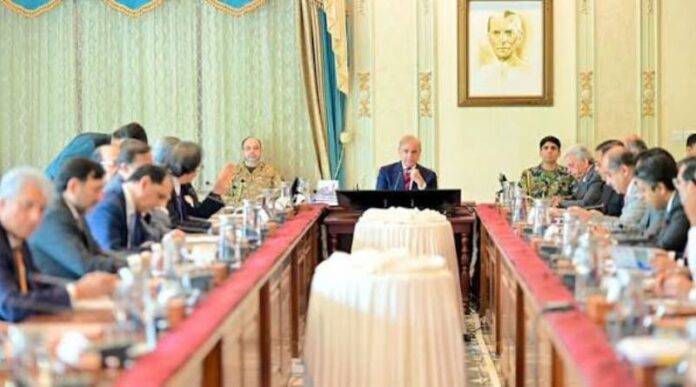

Prime Minister Shehbaz Sharif has directed the government to take further steps to increase financial support for small businesses and help them grow. The move is aimed at making it easier for small entrepreneurs to access funds, expand their businesses, create jobs, and play a stronger role in Pakistan’s economy.
Small and medium-sized businesses are an important part of Pakistan’s economic system. They provide employment to millions of people and support families across the country. However, many small business owners continue to face serious challenges when they need financing. High borrowing costs, strict lending requirements, limited access to formal banking and a lack of suitable financial products often make it difficult for them to get the money they need.
The prime minister’s latest direction shows that the government wants to address these issues and make business financing more accessible.
Government Focuses on Small Businesses
Small businesses operate in almost every part of Pakistan. From retail shops and small factories to workshops, restaurants, online businesses, farms and service providers, these enterprises support daily economic activity.
Despite their importance, many small businesses struggle to obtain formal financing. Business owners may have good ideas and steady customers but still find it difficult to secure loans because they do not have enough collateral or a detailed financial record.
Prime Minister Shehbaz Sharif has called for greater financial assistance so that such businesses can receive the support they need.
The government’s approach is expected to focus on improving access to financing and creating an environment where entrepreneurs can start, manage and expand their businesses with fewer financial difficulties.
For a small business owner, access to finance can make a major difference. A loan can be used to purchase new machinery, increase stock, open another branch, improve a shop, hire workers or introduce a new product.
Without financing, many businesses remain small even when there is demand for their products and services.
Why Business Financing Matters
Access to finance is one of the biggest issues faced by small businesses in Pakistan. Large companies can often approach banks, investors and other financial institutions for funding. Small businesses, however, usually have fewer options.
Many small entrepreneurs depend on personal savings, family support or informal borrowing. While these sources can help in the beginning, they may not be enough when a business needs to expand.
Formal financing can give business owners an opportunity to invest in growth without using all of their personal savings.
For example, a small manufacturing unit may need funds to purchase better equipment. A grocery store may need additional working capital to maintain stock. A technology startup may require funding to hire employees and develop its product.
In each case, timely financing can help the business increase its activity and potentially create more jobs.
The government’s renewed focus on small-business financing is therefore linked not only to individual entrepreneurs but also to wider economic activity.
Support Can Help Create More Jobs
Pakistan has a large young population and needs strong employment opportunities. Small businesses can help meet this need because they are spread across cities, towns and rural areas.
When a small business receives financing and expands, it may need additional workers. A small factory may hire more staff, a restaurant may add employees, and a retail business may require more people to manage increased sales.
This creates a direct connection between business financing and employment.
More successful small businesses can also create indirect opportunities. When a company grows, it may purchase more products from suppliers, use transport services and hire accountants, technicians or other service providers.
This can create economic activity beyond the original business.
For this reason, stronger financial support for small enterprises can have benefits across different parts of the economy.
Easier Access to Loans Needed
One of the key challenges for small businesses is the process of obtaining bank financing. Entrepreneurs may face lengthy procedures, documentation requirements and demands for collateral.
For a small business owner, these requirements can be difficult to meet.
Many businesses also operate on a small scale and may not have complete financial records. Some entrepreneurs may not have enough assets that can be offered as security against a loan.
The government’s focus could help address these problems by encouraging financial institutions to develop financing options that are more suitable for small businesses.
A simple and transparent lending process can make it easier for entrepreneurs to understand how much financing they can receive, what documents they need and how repayment will work.
Small Businesses Need Affordable Financing
Availability of financing is important, but the cost of financing also matters.
If borrowing costs are too high, a small business may find it difficult to repay a loan while continuing normal operations. High financing costs can reduce the amount of money available for expansion and increase pressure on business owners.
Affordable financing can provide greater room for businesses to grow.
Government-backed financing schemes can also reduce some of the risks faced by banks when lending to smaller businesses. This may encourage financial institutions to increase their lending to this segment.
The exact structure of future support will determine how much impact these measures have on businesses.
Encouraging Entrepreneurship
Another important goal of increased financial support is to encourage entrepreneurship.
Pakistan has many people with business ideas but limited resources. Some potential entrepreneurs may avoid starting a business because they do not have enough money to purchase equipment, rent a place or buy initial stock.
Better access to finance can reduce some of these barriers.
It can also encourage existing business owners to consider expansion. A person running a small shop, for example, may be able to turn it into a larger business if financing is available on manageable terms.
Similarly, young entrepreneurs may be able to develop new businesses in technology, agriculture, manufacturing, retail and other sectors.
This can help diversify economic activity and create new sources of income.
Role of Banks and Financial Institutions
Banks will have an important role in making the government’s objective successful.
Financial institutions can support small businesses by offering loan products designed according to their needs. These products can consider the size, cash flow and nature of small businesses rather than applying the same requirements used for large companies.
Digital banking can also make the process easier.
Online applications, digital payments and electronic records can help banks assess businesses more efficiently. They can also reduce the time entrepreneurs spend visiting branches and completing paperwork.
Greater use of digital financial services could therefore become an important part of expanding business financing.
Importance of Transparency
While increasing financial support is important, transparency will also be necessary.
Business owners should clearly understand eligibility requirements, loan limits, interest rates, repayment periods and other conditions.
A transparent system can help ensure that financing reaches businesses that meet the required criteria.
It can also reduce confusion among applicants and allow entrepreneurs to make better financial decisions.
For government-backed programmes, proper monitoring will be important to ensure that funds are used for their intended purpose.
Support for Businesses Outside Major Cities
Small businesses in smaller cities and rural areas can face even greater challenges when accessing formal finance.
Entrepreneurs outside major business centres may have fewer banking options and less information about available financing schemes.
Expanding financial support beyond major cities can help bring more people into the formal economy.
Agriculture-related businesses, small manufacturers, shops and service providers in smaller towns can benefit from easier access to finance.
This can also support local economic development by allowing people to build businesses closer to their communities rather than moving to major cities in search of opportunities.
Financial Support for Growth
Business financing should not only help companies survive. It should also support long-term growth.
A business that receives financing can use the money to improve productivity, introduce new products, expand its customer base or enter new markets.
For example, a small textile business could purchase modern machinery and increase production. A food business could improve packaging and reach supermarkets. An online seller could invest in inventory and digital marketing.
These investments can help small businesses become more competitive.
If a large number of small enterprises grow at the same time, their combined contribution to the economy can become significant.
Small Businesses and Pakistan’s Economy
Small and medium-sized businesses are closely connected to Pakistan’s economic activity. They operate in manufacturing, trade, services, agriculture, transport, technology and many other fields.
Their growth can increase production, generate employment and support tax revenues.
However, businesses also need a stable economic environment. Financing alone cannot solve every problem faced by entrepreneurs.
Business owners also need reliable energy supplies, better infrastructure, predictable policies, easier tax procedures and access to markets.
Therefore, financial support can be one part of a broader effort to strengthen Pakistan’s business sector.
Need for Responsible Borrowing
While government support can create new opportunities, businesses also need to borrow responsibly.
A loan should be used for productive purposes and managed according to the business’s ability to repay it.
Entrepreneurs need to calculate expected sales, expenses and repayment costs before taking financing.
Financial education can help small business owners understand these issues. Better knowledge of budgeting, record keeping and cash-flow management can improve the chances of business success.
Banks and government institutions can also support entrepreneurs by providing basic guidance along with financing.
What This Means for Entrepreneurs
The prime minister’s direction sends a message that small businesses are being given greater attention in the government’s economic plans.
For entrepreneurs, the key issue will be how these instructions are converted into practical financing opportunities.
Business owners will want financing schemes that are easy to understand, accessible, affordable and available without unnecessary delays.
They will also need clear information about application procedures and eligibility.
If these issues are addressed effectively, more entrepreneurs may be able to access formal financing and invest in their businesses.
A Wider Economic Opportunity
Increasing financial support for small businesses can have an impact beyond individual companies.
When businesses receive funding, they can purchase equipment, increase production, hire workers and buy more goods and services from other companies.
This creates a chain of economic activity.
A growing small-business sector can also encourage competition and innovation. New businesses can introduce products and services that meet changing customer needs.
For Pakistan, supporting this sector can therefore form part of wider efforts to increase private-sector activity and create more employment opportunities.
Looking Ahead
Prime Minister Shehbaz Sharif’s directive to increase financial support for small businesses highlights the need to make financing more accessible to entrepreneurs.
The success of this effort will depend on implementation. Government institutions, banks and other financial organisations will need to work together to ensure that financing reaches eligible businesses through a clear and efficient process.
Small businesses, meanwhile, will need to use financing carefully and focus on productive investment.
Pakistan has a large number of entrepreneurs operating businesses of different sizes and in many sectors. Giving these businesses better access to finance can provide them with an opportunity to expand their operations and contribute more to economic activity.
The latest government focus on small-business financing is therefore an important step toward addressing one of the major challenges faced by entrepreneurs. If financial support is made easier to access and more suitable for small businesses, it can help more people invest in their ideas, expand existing businesses and create new employment opportunities.
Ultimately, the impact will depend on how these measures are implemented and how effectively the available financing reaches businesses across Pakistan.
Read Also: check