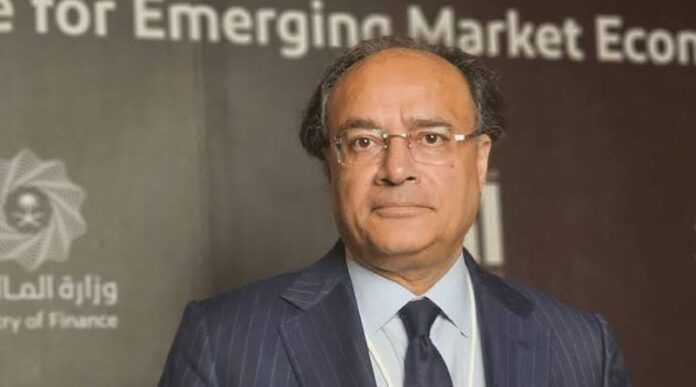

Finance Minister Muhammad Aurangzeb has warned that long marches, sit-ins, strikes and road blockades could cause losses of around Rs120 billion every day to Pakistan’s economy.
The finance minister made the remarks on September 20, 2026, as several political and social groups prepared to hold protests and long marches in Islamabad. He said Pakistan had made significant efforts to bring the economy towards stability and that repeated disruptions could slow down the country’s move from economic recovery towards stronger growth.
According to Aurangzeb, the possible daily loss was estimated after the government reviewed the likely impact of protests, road closures, business shutdowns and other disruptions to normal economic activity.
He said the services sector would face the largest part of the damage, while industries and agriculture would also suffer. Government revenue could also decline if businesses, transport and trade activities remained disrupted.
The minister described such disruption as a form of economic pressure created inside the country at a time when Pakistan is already dealing with several external challenges.
Services Sector Could Face Rs86 Billion Daily Loss
According to the finance minister’s assessment, the services sector could suffer losses of nearly Rs86 billion per day if protests lead to widespread disruption.
The services sector covers a large part of Pakistan’s economy. It includes financial services, communications, transport, retail and wholesale trade, hotels and other businesses that depend on the regular movement of people and goods.
When roads are blocked or businesses remain closed, these activities can slow down quickly.
For example, transport companies may be unable to move goods from one city to another. Shops may remain closed, customers may avoid markets and companies may struggle to receive supplies. Banks and other financial businesses can also face difficulties when employees and customers cannot travel normally.
The impact can become wider when the disruption continues for several days.
Aurangzeb said this potential loss of Rs86 billion was part of the government’s overall estimate of Rs120 billion in daily economic damage.
The figure is a government assessment rather than an independently verified measurement. However, it highlights the scale of economic activity that officials believe could be affected by large-scale protests.
Industrial Activity Could Lose Rs25 Billion
The industrial sector is another major area that could be affected.
The finance minister estimated that industries could face around Rs25 billion in losses each day during major disruptions.
Factories need a regular supply of raw materials, fuel, machinery and other goods. They also need workers to reach workplaces and finished products to be transported to markets.
Road closures and strikes can interrupt this entire process.
A factory may have production capacity, but if raw material cannot arrive on time, production can slow down or stop. Similarly, manufacturers may produce goods but struggle to deliver them to customers if transport services are disrupted.
Construction activity can also be affected because cement, steel, machinery and other materials need to move from one location to another.
Aurangzeb said businesses are already facing higher freight and insurance costs because of wider economic conditions. Additional domestic disruptions could therefore put more pressure on companies.
For industries that operate on tight margins, even a short interruption can create financial problems.
Agriculture Could Face Rs9 Billion Daily Impact
Pakistan’s agriculture sector could also suffer losses of about Rs9 billion per day, according to the finance minister.
Agriculture depends heavily on transportation and timely access to markets.
Farmers need to send crops, milk and other products to markets soon after they are collected. Delays can be especially damaging for products that can spoil quickly.
Milk, vegetables, fruit and other fresh products cannot always be stored for long periods. If roads are blocked or transport services are disrupted, farmers and traders may struggle to move these goods.
The problem can also affect consumers. When supplies do not reach markets normally, shortages may develop in some areas and prices can come under pressure.
The agriculture sector also depends on the movement of seeds, fertilisers, animal feed, machinery and other supplies.
This means that a protest affecting roads and transport can have an impact beyond the people directly taking part in the protest.
Government Revenue Could Also Decline
The economic cost of protests is not limited to private businesses.
The government can also lose revenue when economic activity slows down.
Aurangzeb estimated that government revenue could fall by around Rs17 billion during a major disruption.
Taxes are collected through different forms of economic activity. Businesses pay taxes on sales, imports and income, while workers and companies contribute through other taxes and charges.
If shops close, factories stop production or trade slows, tax collection can also decline.
At the same time, the government may have to spend additional money on security arrangements, transport, logistics and maintaining law and order during large protests.
This creates a difficult situation for public finances because revenue can decline while some expenses increase.
Why the Government Is Concerned About Protests
The finance minister’s comments come at a time when the government says Pakistan has moved through a difficult period of economic stabilisation.
Aurangzeb said the country had previously faced a period in which the economy contracted. He pointed to economic growth of around 3.7 per cent last year and said the government hoped growth could cross 4 per cent this year.
He also referred to signs of improvement in large-scale manufacturing, company profits and investment activity.
According to the minister, manufacturing continued to show growth in both monthly and yearly comparisons during July and August.
The government therefore wants to avoid disruptions that could slow this recovery.
Aurangzeb argued that Pakistan now needs to move beyond simply stabilising the economy and focus on increasing growth, investment and business activity.
From the government’s point of view, frequent shutdowns and road blockages could make that transition more difficult.
Ordinary People May Carry Much of the Burden
The finance minister also stressed that the economic impact of protests does not remain limited to large companies or government institutions.
Ordinary people can also feel the effects.
Daily-wage workers are particularly exposed because they depend on getting work every day. If markets, factories, construction sites or transport services close, they may lose their income for that day.
Small shopkeepers can also suffer when customers cannot reach markets.
A shop may remain open but still lose business if roads are blocked or people decide to stay home. Small businesses usually have fewer financial resources to absorb several days of lost sales.
Transport workers, hotel employees, restaurant staff, factory workers and other people whose income depends on daily economic activity can face similar problems.
Aurangzeb said the immediate burden of disruption ultimately reaches ordinary citizens, daily-wage workers and small businesses.
This is an important part of the economic debate because headline figures do not always show how losses are distributed among different groups.
Investment and Business Confidence
The finance minister also linked economic stability with investment.
He said foreign direct investment in August reached around $311 million and argued that maintaining confidence was important for attracting more investment.
Investment decisions are often based on expectations about future business conditions.
Companies considering investment in factories, offices, technology or other projects generally want predictable conditions. Long disruptions, road closures and uncertainty can make businesses more cautious.
Aurangzeb described economic stability as the starting point for building confidence among local investors, followed by greater interest from foreign investors.
The government is also working to increase tax collection and broaden the tax base. The minister said tax revenues had increased by around 40 per cent over the previous two years.
For the government, maintaining economic activity is therefore linked with several goals, including higher investment, stronger tax collection and greater economic growth.
Pakistan Already Faces Higher Costs
Another concern raised by the finance minister is that Pakistani businesses are already facing higher costs in some areas.
Aurangzeb pointed to increases in freight and insurance costs. These expenses can make it more expensive for companies to transport goods and manage their supply chains.
If domestic protests then lead to additional delays and road closures, businesses could face another layer of costs.
A truck stuck on a blocked road may deliver goods late. A factory waiting for raw material may have to slow production. A retailer may not receive stock on time.
These individual problems may appear small, but when they happen across many businesses and cities, their combined economic impact can become much larger.
Security Costs Add Another Pressure
Large protests can also require major security arrangements.
Police and other security personnel may need to be deployed in large numbers. Roads may have to be monitored, important buildings protected and traffic routes managed.
The government may also need additional transport, fuel and other resources during major demonstrations.
Aurangzeb said these extra costs would put additional pressure on the national exchequer.
This means that the overall cost of a protest can go beyond lost sales and production. There can also be additional public spending during periods of unrest.
Economic Stability Comes After Difficult Decisions
Aurangzeb said Pakistan had reached its current economic position after difficult decisions and sustained efforts.
He argued that the country should not allow disruptions to reverse the progress made during the stabilisation period.
The government has been trying to improve tax collection, control spending and encourage investment while dealing with pressure on the economy.
The finance minister said the country had reached a stage where protecting economic stability should be considered a shared responsibility.
He urged political groups and other stakeholders to discuss their disagreements rather than taking steps that could bring economic activity to a halt.
Different Groups Plan Protests
The warning comes as several groups have announced plans for protests or long marches over different issues.
According to reports, Jamaat-e-Islami has been raising concerns about the petroleum development levy, while Kissan Ittehad has been seeking relief for farmers. Pakistan Tehreek-e-Insaf has also announced a long march linked to demands concerning its party founder Imran Khan.
These groups have different demands and political positions.
The finance minister’s warning focuses on the economic impact that could result if these activities lead to widespread road closures, strikes or the shutdown of businesses.
The estimate does not mean that every protest would automatically create a Rs120 billion loss. The potential impact would depend on the size, duration and level of disruption caused by each event.
Stability and Growth Remain Key Challenges
Pakistan’s economy has faced repeated periods of political uncertainty and economic pressure.
Previous disruptions have also raised concerns about their impact on businesses, investment and economic recovery. Earlier estimates have varied depending on the period and method used to calculate losses.
For example, during political unrest in November 2024, Finance Minister Muhammad Aurangzeb had put the direct economic losses at around Rs190 billion per day. Those figures were also debated, with analysts noting that estimating the full economic cost of political disruptions can be difficult.
The latest Rs120 billion estimate is therefore best understood as the government’s assessment of the possible impact of new disruptions under current economic conditions.
The exact loss cannot be known until the disruption actually takes place and its effects are measured.
Finance Minister Calls for Dialogue
Aurangzeb has urged political and other groups to sit together and discuss their concerns.
His main argument is that Pakistan has moved from a period of economic stabilisation towards a stage where stronger growth is now needed.
He said the country should protect the economic progress achieved after difficult decisions.
The finance minister also described major protests, road blockages and strikes as unnecessary economic pressure at a time when businesses and households are already dealing with higher costs.
For ordinary Pakistanis, the issue is not only about government statistics. Economic disruption can affect daily earnings, transport, food supplies, shop sales and business activity.
The government believes that keeping economic activity running normally is important for investment and growth. At the same time, groups planning protests continue to raise their own demands and concerns.
The Rs120 billion figure has therefore become part of a wider discussion about the economic cost of political and social disruption in Pakistan.
As the country tries to strengthen growth, the challenge will be to manage political disagreements without causing prolonged interruptions to businesses, workers, trade and other economic activities.
Read Also: check