
Introduction
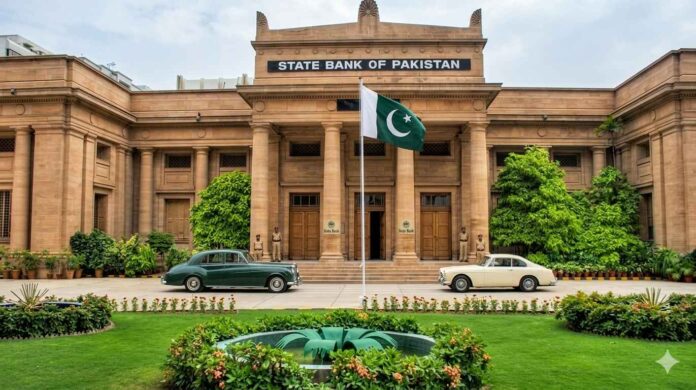
The decision to increase interest rates is always a significant economic signal, but when it happens during periods of heightened geopolitical tension and economic uncertainty, its impact becomes even more profound. In a recent monetary policy decision, the central bank raised the benchmark interest rate by 100 basis points, bringing it to 11.5 percent. This move marks a notable shift after two consecutive policy meetings where rates remained unchanged.
The timing of this decision is critical. With economic pressures mounting due to external uncertainties, inflationary risks, and financial market volatility, policymakers are increasingly relying on monetary tools to stabilize the economy. The increase in the policy rate reflects a strategic response aimed at controlling inflation, maintaining currency stability, and ensuring macroeconomic balance.
This article explores the reasons behind the interest rate hike, its implications for different sectors, and what it means for consumers, businesses, and the broader economy.
Understanding the Policy Rate
The policy rate, often referred to as the benchmark interest rate, is a key tool used by central banks to regulate economic activity. It influences the cost of borrowing and the return on savings, thereby affecting spending, investment, and overall economic growth.
When the policy rate is increased, borrowing becomes more expensive. This typically leads to reduced consumer spending and lower investment by businesses. At the same time, higher interest rates can encourage savings, as returns on deposits become more attractive.
In the current context, the increase to 11.5 percent signals a tightening of monetary policy. Such measures are usually implemented to address inflationary pressures and prevent the economy from overheating.
Why the Interest Rate Was Increased
The recent decision to raise interest rates is driven by multiple factors, many of which are interconnected. One of the primary concerns is inflation. Rising prices of essential goods, energy costs, and supply chain disruptions have contributed to persistent inflationary pressure.
In addition, global uncertainties and wartime economic conditions have added to the complexity. External shocks, including fluctuations in commodity prices and disruptions in trade routes, can have a direct impact on domestic inflation and economic stability.
Another factor is currency stability. Higher interest rates can help support the local currency by making investments in the country more attractive to foreign investors. This can reduce pressure on foreign exchange reserves and help maintain financial stability.
The decision also reflects a precautionary approach. By acting early, policymakers aim to prevent inflation from spiraling out of control and to maintain confidence in the financial system.
Break from Previous Policy Stance
The increase in the policy rate marks a departure from the central bank’s recent stance of maintaining steady rates. For two consecutive policy meetings, the rate remained unchanged, signaling a wait-and-see approach.
However, the latest decision indicates that economic conditions have evolved to a point where action is necessary. The shift suggests that policymakers are responding to new data and emerging risks, rather than adhering to a fixed policy path.
This change in direction underscores the dynamic nature of monetary policy, where decisions must adapt to rapidly changing economic conditions.
Impact on Inflation
One of the primary objectives of increasing interest rates is to control inflation. By making borrowing more expensive, the central bank aims to reduce consumer spending and slow down demand.
Lower demand can help stabilize prices, particularly in sectors where supply constraints have led to sharp increases. Over time, this can bring inflation under control and restore purchasing power.
However, the impact of interest rate changes on inflation is not immediate. It typically takes several months for the effects to fully materialize. During this period, other factors such as global commodity prices and exchange rates continue to play a role.
Effect on Borrowers and Consumers
For consumers, higher interest rates mean increased borrowing costs. Loans for housing, vehicles, and personal use become more expensive, leading to higher monthly payments.
This can reduce disposable income and limit spending, particularly for households already facing financial constraints. As a result, consumer demand may decline, affecting various sectors of the economy.
Credit card interest rates and other forms of short-term borrowing may also increase, adding to the financial burden on consumers.
Impact on Businesses
Businesses are also affected by changes in interest rates. Higher borrowing costs can discourage investment, particularly for small and medium-sized enterprises that rely heavily on bank financing.
Companies may delay expansion plans, reduce hiring, or cut back on operational expenses to manage higher costs. This can have a ripple effect on employment and economic growth.
On the other hand, businesses with strong financial positions may benefit from higher returns on savings and investments. The overall impact varies depending on the sector and the financial health of individual companies.
Implications for the Banking Sector
The banking sector plays a central role in transmitting the effects of monetary policy. When interest rates increase, banks typically adjust their lending and deposit rates accordingly.
Higher lending rates can improve banks’ profit margins, but they may also lead to a decline in loan demand. At the same time, higher deposit rates can attract more savings, increasing the availability of funds.
Banks must carefully balance these factors to maintain profitability while managing risks associated with slower economic activity.
Currency Stability and External Factors
Interest rate decisions also have implications for the exchange rate. Higher rates can attract foreign investment by offering better returns, which can strengthen the local currency.
A stable or stronger currency can help reduce the cost of imports, particularly essential items such as fuel and raw materials. This, in turn, can help control inflation.
However, external factors such as global economic conditions, geopolitical tensions, and trade dynamics continue to influence currency movements. Interest rate changes are just one part of a broader strategy to maintain stability.
Wartime Economic Pressures
The reference to wartime economic conditions highlights the broader context in which this decision has been made. Periods of geopolitical tension often lead to increased uncertainty, higher commodity prices, and disruptions in global trade.
These factors can create inflationary pressure and strain economic resources. In such situations, central banks may adopt a more cautious approach, using monetary policy to mitigate risks and maintain stability.
The increase in the policy rate can be seen as a response to these challenges, aimed at safeguarding the economy against potential shocks.
Future Outlook
The future direction of interest rates will depend on several factors, including inflation trends, economic growth, and global developments. If inflation remains high, further rate increases may be necessary.
Conversely, if economic conditions stabilize and inflation begins to decline, policymakers may choose to maintain or even reduce rates to support growth.
The central bank’s decisions will continue to be guided by data and evolving economic conditions. Flexibility and responsiveness will be key to navigating the uncertainties ahead.
Conclusion
The recent increase in the policy rate to 11.5 percent marks an important step in addressing the economic challenges facing the country. By raising interest rates, the central bank aims to control inflation, stabilize the currency, and maintain financial stability.
While the decision may have short-term impacts on consumers and businesses, it is part of a broader strategy to ensure long-term economic resilience. Higher borrowing costs may slow down spending and investment, but they can also help restore balance in the economy.
As the situation continues to evolve, the effectiveness of this policy will depend on how well it addresses the underlying issues and supports sustainable growth.
Read More
Undocumented Cigarette Raw Material Trade Causing Major Revenue Losses