
Pakistan Faces Pressure to Increase GST as Budget Negotiations Intensify
Pakistan’s upcoming federal budget for fiscal year 2026-27 is shaping up to be one of the most consequential in recent years, with policymakers facing difficult decisions as they attempt to balance revenue generation, economic growth, inflation management, and fiscal sustainability. Among the most significant proposals currently under discussion is a recommendation to increase the standard General Sales Tax (GST) rate from 18 percent to 19 percent.
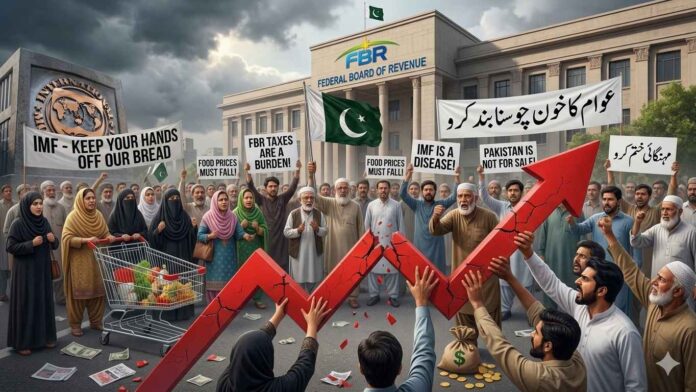
The proposed increase has emerged as part of broader fiscal discussions focused on strengthening government revenues and improving budgetary performance. If approved, the measure could generate substantial additional income for the national exchequer and help authorities meet ambitious revenue targets. However, concerns are growing that further reliance on indirect taxation could place additional pressure on consumers already coping with elevated living costs.
The debate surrounding GST has once again highlighted the challenges facing Pakistan’s economy. Policymakers must find ways to improve tax collection while ensuring that economic activity remains strong and inflationary pressures do not intensify.
The proposal has therefore become one of the most closely watched aspects of the upcoming budget and could have far-reaching implications for businesses, consumers, investors, and the broader economy.
Understanding the Proposed GST Increase
The General Sales Tax is one of Pakistan’s most important sources of government revenue. It is applied to a wide range of goods and services and contributes significantly to federal tax collections.
Under the proposal being discussed, the standard GST rate would rise by 100 basis points, increasing from 18 percent to 19 percent.
While a one percentage point increase may appear modest at first glance, its impact could be substantial due to the broad base of products and services subject to GST.
Because sales tax is collected throughout the economy, even a relatively small increase can generate significant additional revenue while simultaneously affecting consumer prices across multiple sectors.
The proposal reflects ongoing efforts to strengthen Pakistan’s fiscal position and improve tax collection efficiency amid growing expenditure requirements and economic challenges.
Government officials are currently evaluating the potential benefits and risks associated with implementing such a measure.
Why Additional Revenue Has Become a Priority
Revenue generation remains one of the central challenges facing Pakistan’s public finances.
Over the years, authorities have struggled to expand the tax base sufficiently to meet growing development, infrastructure, social welfare, and debt servicing requirements.
Despite improvements in tax administration and enforcement, overall tax collection remains relatively low compared to the size of the economy.
As a result, increasing revenue has become a critical policy objective.
The proposed GST increase is viewed by some policymakers as a relatively straightforward method of boosting collections because the tax infrastructure is already in place and implementation could occur quickly.
Unlike entirely new taxes, adjustments to existing rates can often be introduced with fewer administrative complications.
Supporters of the measure argue that higher revenue would strengthen fiscal stability and reduce budget deficits.
Additional funds could potentially be used to support development projects, social protection programs, infrastructure improvements, and other government priorities.
Potential Revenue Impact of the GST Proposal
Economic estimates suggest that raising the standard GST rate to 19 percent could generate between Rs. 250 billion and Rs. 300 billion in additional annual revenue.
This projected increase would represent a significant contribution toward overall tax collection targets for the coming fiscal year.
The government has been working to improve revenue performance while managing spending obligations and maintaining macroeconomic stability.
An additional revenue stream of this magnitude could provide greater flexibility in budget planning and help reduce reliance on borrowing.
Fiscal experts note that indirect taxes such as GST tend to generate substantial revenue because they apply across a broad range of economic transactions.
As consumer spending occurs throughout the year, GST collections provide a relatively stable source of government income.
The expected revenue gains are therefore one of the primary reasons the proposal remains under active consideration.
Concerns About Inflation and Consumer Impact
While higher revenue may strengthen government finances, concerns remain regarding the potential impact on inflation.
Sales taxes are generally passed on to consumers through higher prices, meaning that any increase in GST can directly affect household expenses.
Critics argue that indirect taxes disproportionately impact lower-income and middle-income households because they consume a larger share of their income on taxable goods and services.
A GST increase could therefore make everyday products more expensive and add pressure to household budgets.
Pakistan has experienced significant inflationary challenges in recent years, making policymakers cautious about measures that could contribute to further price increases.
Many economists emphasize that maintaining price stability is essential for preserving purchasing power and supporting economic growth.
The possibility of additional inflation remains one of the strongest arguments against implementing a higher GST rate.
Revenue Authorities Reportedly Oppose the Proposal
Within policymaking circles, there appears to be resistance to increasing indirect taxes further.
Some officials reportedly believe that relying excessively on consumption-based taxation may not be the most effective approach to achieving sustainable revenue growth.
Instead, they argue that broader structural reforms should focus on expanding the tax base, improving compliance, reducing tax evasion, and bringing more economic activity into the documented sector.
Such measures could increase revenue without placing additional burdens on consumers.
Opponents of the GST hike contend that economic growth and tax collection can be strengthened through improved enforcement and administrative reforms rather than higher tax rates alone.
The ongoing debate reflects the complexity of balancing fiscal requirements with economic realities.
Pakistan’s Revenue Collection Challenge
Tax collection remains one of the most important indicators of fiscal performance.
Authorities have made progress in recent years through digitalization initiatives, improved monitoring systems, and expanded enforcement efforts.
However, achieving ambitious revenue targets remains difficult.
The tax authority is expected to approach the Rs. 13 trillion collection level, representing a substantial improvement compared to previous years.
Even so, uncertainty remains regarding whether the final target will be fully achieved.
Several factors influence revenue performance, including economic growth, import activity, inflation trends, business profitability, and consumer spending patterns.
As a result, policymakers continue exploring multiple options to strengthen collections and close potential revenue gaps.
The GST proposal forms part of this broader effort to secure fiscal resources for the coming year.
Hybrid Vehicle Tax Incentives Under Review
In addition to the standard GST proposal, policymakers are also reviewing tax treatment for hybrid vehicles.
Current incentives have played a role in encouraging adoption of fuel-efficient and environmentally friendly transportation options.
However, the existing concession framework is approaching its scheduled expiration period.
One proposal being discussed would align the GST rate on hybrid vehicles with the standard sales tax rate, increasing it significantly from its current level.
Such a change could affect vehicle pricing and potentially influence consumer demand.
Supporters argue that ending preferential treatment would create a more uniform tax structure and increase government revenue.
Critics, however, caution that higher taxes could slow the transition toward cleaner transportation technologies.
The issue highlights the broader challenge of balancing environmental objectives with fiscal priorities.
Proposed Changes for Small Retailers
Another important area of discussion involves taxation of the retail sector.
Small retailers have historically presented challenges for tax administration due to documentation gaps and compliance difficulties.
To address these issues, authorities are considering a simplified tax framework for smaller businesses.
Under the proposed system, retailers with annual turnover below a specified threshold would pay a fixed annual amount rather than navigating more complex tax procedures.
The objective is to encourage greater participation in the formal economy while reducing administrative burdens.
Supporters believe that a simplified approach could improve compliance rates and expand the documented tax base.
The proposal also includes mechanisms designed to enhance transparency and facilitate verification processes.
If implemented effectively, such reforms could contribute to long-term improvements in tax administration.
Tax Relief Discussions for Salaried Individuals
The taxation of salaried individuals remains another important topic in budget discussions.
Employees in the formal sector often represent one of the most heavily documented segments of the economy and contribute a substantial share of direct tax revenue.
Concerns have been raised regarding the fairness and structure of existing tax burdens on salaried taxpayers.
Policymakers are therefore examining options for addressing gaps and imbalances within the current framework.
Potential adjustments could involve revised tax slabs, modified rates, or alternative measures designed to improve equity while maintaining revenue performance.
The outcome of these discussions will be closely watched by millions of salaried workers across the country.
Balancing Fiscal Discipline and Economic Growth
The broader budget debate ultimately centers on a fundamental policy challenge: how to maintain fiscal discipline without undermining economic growth.
Revenue generation is essential for financing public services, infrastructure projects, social programs, and debt obligations.
At the same time, excessive taxation can discourage consumption, reduce business activity, and slow economic expansion.
Finding the right balance requires careful analysis and strategic decision-making.
Successful fiscal policy must support both short-term stability and long-term growth objectives.
The GST proposal illustrates the difficult trade-offs policymakers face when designing budget measures.
Every decision carries implications for consumers, businesses, investors, and government finances.
What Businesses Are Watching
Businesses across multiple sectors are closely monitoring budget developments.
Any increase in GST could affect pricing strategies, consumer demand, operating costs, and profitability.
Retailers, manufacturers, wholesalers, distributors, and service providers may all need to adjust their planning depending on the final outcome.
Companies are particularly interested in understanding how tax changes might influence purchasing behavior and market conditions.
Higher taxes can sometimes reduce discretionary spending, affecting sales volumes in certain industries.
Conversely, greater fiscal stability can strengthen investor confidence and support broader economic resilience.
The business community therefore remains focused on the final budget announcements.
Potential Economic Implications Beyond Tax Collection
The effects of a GST increase extend beyond immediate revenue gains.
Tax policy influences inflation, consumer confidence, investment decisions, and overall economic activity.
Higher prices can affect household spending patterns, while changes in government revenue influence public investment capacity.
Policymakers must therefore evaluate both direct and indirect consequences before finalizing tax measures.
Economic outcomes depend not only on the tax rate itself but also on broader conditions including inflation trends, interest rates, exchange rate stability, and global economic developments.
A comprehensive assessment is essential to ensure that fiscal measures support sustainable economic progress.
Final Budget Decisions Still Pending
Although numerous proposals are under discussion, final decisions have not yet been announced.
Budget preparations often involve extensive consultations, revisions, and last-minute adjustments before official approval.
As a result, several tax measures currently being considered could still change before the budget is presented.
Policymakers continue evaluating different options in light of revenue requirements, economic conditions, inflation concerns, and stakeholder feedback.
The final budget will ultimately determine which measures move forward and how they are implemented.
Until then, businesses, consumers, and investors remain attentive to developments that could shape Pakistan’s economic landscape during the next fiscal year.
Conclusion
The proposal to increase Pakistan’s standard GST rate to 19 percent has emerged as one of the most significant issues in the lead-up to the 2026-27 federal budget.
Supporters view the measure as an important tool for strengthening revenue collection and improving fiscal stability, with potential additional receipts estimated at up to Rs. 300 billion annually.
Opponents warn that higher indirect taxation could increase inflationary pressures and place further strain on households already facing rising living costs.
Alongside discussions regarding hybrid vehicle taxation, retailer reforms, and salaried taxpayer relief, the GST debate reflects the broader challenges of designing a budget that balances fiscal responsibility with economic growth.
As final budget preparations continue, the decisions made in the coming weeks will have important implications for government finances, business activity, consumer spending, and Pakistan’s overall economic trajectory in the years ahead.
Read More
Khawaja Asif Accidentally Exposes Corruption of LESCO After Mysterious LESCO Transformer Repair