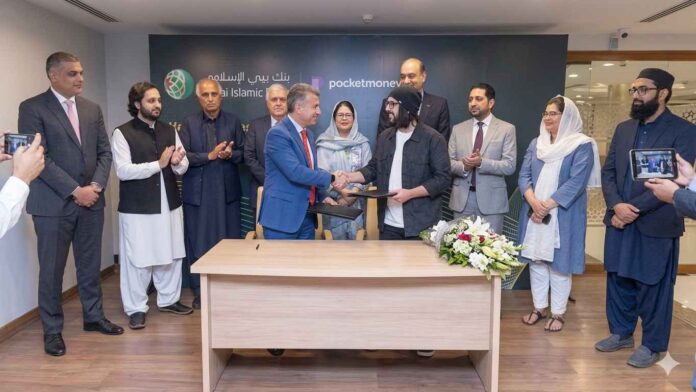

Pakistan’s rapidly expanding freelance and digital services sector has received a major boost through a strategic collaboration between DIB Pakistan and Pocket Money. The partnership represents an important development in the country’s digital finance ecosystem and is expected to address some of the most persistent challenges faced by freelancers, content creators, digital entrepreneurs, and remote workers.
As Pakistan continues to establish itself as one of the world’s fastest-growing freelance markets, access to efficient financial services has become increasingly important. Millions of individuals earning income from international clients and digital platforms often encounter obstacles related to cross-border payments, banking accessibility, foreign currency transactions, and financial inclusion.
The collaboration seeks to bridge these gaps by combining banking expertise with innovative fintech solutions. The initiative aims to create a seamless financial ecosystem specifically designed to support the needs of Pakistan’s growing creator economy and digital workforce.
The move comes at a time when freelancing, remote work, digital entrepreneurship, e-commerce, and online content creation are playing an increasingly important role in Pakistan’s economy, generating valuable foreign exchange earnings and creating employment opportunities for young professionals across the country.
Pakistan’s Freelance Economy Continues to Expand
Over the past decade, Pakistan has emerged as one of the leading countries in the global freelance marketplace. The country has witnessed remarkable growth in digital services exports as thousands of skilled professionals leverage online platforms to offer services to clients around the world.
Freelancers in Pakistan work across a wide range of industries, including software development, web design, graphic design, content writing, digital marketing, video editing, virtual assistance, e-commerce management, artificial intelligence, cybersecurity, and business consulting.
The rise of remote work has further accelerated this trend, enabling professionals to participate in the global economy without relocating abroad. Digital platforms have made it easier than ever for talented individuals to connect with international clients and earn foreign currency income.
The sector has become an important contributor to Pakistan’s export earnings, helping diversify the economy beyond traditional industries. It has also created opportunities for young people, women, students, and professionals seeking flexible work arrangements and independent income streams.
As the freelance economy grows, however, financial infrastructure has struggled to keep pace with the evolving needs of digital workers.
Financial Challenges Facing Freelancers
Despite the impressive growth of Pakistan’s digital workforce, many freelancers continue to face significant financial hurdles.
Receiving payments from international clients can often be complicated and time-consuming. Freelancers frequently encounter delays, high transaction fees, limited payment options, currency conversion issues, and difficulties accessing certain global financial services.
Many international payment systems are not fully integrated into Pakistan’s financial ecosystem, creating barriers for professionals who rely on overseas clients for income. As a result, freelancers often spend considerable time managing payment logistics instead of focusing on their work and business growth.
Limited access to digital wallets and multi-currency financial products has also constrained opportunities for many professionals. In an increasingly global economy, freelancers need financial tools that allow them to receive, hold, manage, and transfer funds efficiently across borders.
The lack of streamlined financial solutions has been one of the most commonly cited challenges within Pakistan’s freelance community. Addressing these issues is essential for sustaining growth and maximizing the sector’s economic potential.
A Strategic Collaboration Designed for the Digital Workforce
The partnership between DIB Pakistan and Pocket Money aims to directly address the challenges faced by freelancers and digital entrepreneurs.
By combining advanced fintech capabilities with established banking services, the collaboration seeks to create a comprehensive financial ecosystem tailored specifically for the gig economy.
The initiative focuses on improving the movement of funds between international clients and Pakistani freelancers. Faster payment processing, simplified financial management, and enhanced access to digital banking services are expected to improve the overall experience for users operating in global marketplaces.
The collaboration reflects a broader trend in financial services where traditional banking institutions and fintech companies work together to develop innovative solutions for emerging economic sectors.
Rather than relying on conventional banking models designed primarily for salaried employees and traditional businesses, the partnership recognizes the unique requirements of freelancers, creators, and independent professionals.
Enhancing Cross-Border Payment Solutions
One of the most significant benefits of the collaboration is the improvement of cross-border payment capabilities.
For freelancers, the ability to receive international payments quickly and efficiently is essential. Delays in payment processing can affect cash flow, project planning, and financial stability.
The new framework aims to streamline payment channels and reduce friction associated with international transactions. This can help freelancers receive earnings more quickly while improving transparency and convenience throughout the payment process.
Cross-border financial services are becoming increasingly important as global freelancing continues to expand. Professionals frequently work with clients located across multiple countries and time zones, making seamless international payment systems a necessity rather than a luxury.
Improved payment infrastructure can strengthen Pakistan’s position as a preferred destination for outsourcing and freelance services by making financial transactions more efficient for both clients and service providers.
Multi-Currency Digital Wallets Open New Opportunities
Another important feature of the collaboration is the introduction of multi-currency digital wallet capabilities.
Multi-currency wallets allow users to manage funds in different currencies without immediately converting them into local currency. This flexibility can provide significant advantages for freelancers who regularly work with international clients.
Such solutions help users better manage exchange rate fluctuations, simplify global transactions, and maintain greater control over their earnings.
Digital wallets have become an essential component of modern financial ecosystems worldwide. They provide convenience, accessibility, and enhanced financial management tools that align with the needs of digitally connected professionals.
For Pakistan’s freelance community, broader access to these services could improve financial efficiency while reducing dependence on traditional payment methods that may involve higher costs or longer processing times.
Supporting Pakistan’s Creator Economy
The partnership extends beyond traditional freelancing and also supports the rapidly growing creator economy.
Content creators, influencers, educators, digital artists, online coaches, and independent media professionals are increasingly generating income through global digital platforms.
This segment of the economy has experienced substantial growth as social media, streaming services, digital publishing, and online education platforms continue to expand worldwide.
Many creators face challenges similar to those encountered by freelancers, including difficulties receiving international payments and accessing suitable financial products.
By improving financial accessibility and introducing tailored solutions, the collaboration can help creators monetize their skills more effectively and expand their reach in international markets.
The creator economy is expected to become an increasingly important contributor to digital exports and entrepreneurial activity in Pakistan over the coming years.
Promoting Financial Inclusion Across Pakistan
Financial inclusion remains a key objective of the initiative.
Millions of individuals in emerging digital sectors often lack access to specialized financial products designed for their unique needs. Traditional banking systems have historically focused on salaried workers and conventional businesses, leaving many freelancers underserved.
The partnership aims to close this gap by providing accessible and user-friendly financial services that support a broader range of income models.
Improved financial inclusion can have significant economic benefits. It enables individuals to participate more fully in the formal economy, access credit opportunities, build financial histories, and manage earnings more effectively.
For Pakistan, expanding financial inclusion within the digital workforce can contribute to economic growth, entrepreneurship, and long-term financial stability.
Financial Literacy as a Growth Catalyst
An important component of the collaboration involves financial literacy initiatives designed to educate and empower freelancers and digital workers.
Many independent professionals possess strong technical or creative skills but may have limited knowledge of financial planning, tax management, savings strategies, investment opportunities, or business development.
Financial education programs can help individuals make informed decisions about managing income, building sustainable careers, and planning for future growth.
As freelancing becomes a long-term career path for many professionals, financial literacy will play an increasingly important role in helping workers maximize their earning potential and achieve financial security.
Educational initiatives can also support broader economic development by encouraging responsible financial behavior and greater participation in formal financial systems.
Strengthening Pakistan’s Digital Economy
The collaboration aligns with Pakistan’s broader efforts to strengthen its digital economy and increase technology-driven exports.
Digital services represent one of the fastest-growing segments of the global economy. Countries that successfully support freelancers, startups, and digital entrepreneurs are better positioned to capture opportunities in international markets.
Pakistan has a large and youthful population with significant potential in technology, creative industries, and online services. By improving financial infrastructure, policymakers and private sector stakeholders can help unlock this potential and accelerate economic growth.
The development of a supportive digital finance ecosystem can encourage more individuals to participate in online work while helping existing freelancers scale their operations and compete more effectively on the global stage.
Opportunities for E-Commerce Entrepreneurs
The benefits of the partnership extend beyond freelancers and creators to include e-commerce entrepreneurs.
Online sellers increasingly rely on international marketplaces and digital commerce platforms to reach customers around the world. Efficient payment systems are essential for managing transactions, receiving revenues, and expanding operations.
Improved financial tools can help entrepreneurs streamline business processes, manage cash flow, and access global opportunities more effectively.
As Pakistan’s e-commerce sector continues to expand, access to advanced digital financial services will become increasingly important for sustaining growth and competitiveness.
The integration of banking and fintech capabilities can help create a more supportive environment for online businesses of all sizes.
The Future of Digital Banking in Pakistan
The collaboration highlights the evolving role of digital banking in Pakistan’s financial sector.
Consumers increasingly expect financial services to be fast, accessible, mobile-friendly, and tailored to their individual needs. Traditional banking models are being complemented by innovative technologies that enhance convenience and efficiency.
Partnerships between banks and fintech companies are becoming a key driver of financial innovation worldwide. These collaborations combine regulatory expertise and financial stability with technological agility and customer-focused solutions.
As digital adoption continues to rise, similar initiatives are likely to play an increasingly important role in shaping the future of financial services in Pakistan.
The success of such partnerships could encourage further innovation across the banking sector and accelerate the development of a more inclusive digital economy.
Outlook for Pakistan’s Gig Economy
The future of Pakistan’s gig economy appears increasingly promising as financial infrastructure continues to evolve.
The collaboration between DIB Pakistan and Pocket Money represents a significant step toward addressing long-standing challenges faced by freelancers, creators, and digital entrepreneurs. By improving payment accessibility, enhancing financial inclusion, and introducing innovative financial products, the initiative has the potential to strengthen one of the country’s most dynamic economic sectors.
As global demand for digital services continues to grow, Pakistan is well positioned to expand its presence in international freelance and creator markets. The availability of better financial tools can help professionals focus on productivity, innovation, and business growth rather than administrative payment challenges.
With continued investment in digital infrastructure, financial technology, and workforce development, Pakistan’s freelance economy could become an even larger contributor to export earnings, employment generation, and economic diversification.
The partnership marks an important milestone in that journey, reinforcing the country’s commitment to supporting a new generation of digital professionals and building a more connected, inclusive, and globally competitive digital economy.
Read More
Pakistan Likely to Raise Security Budget for Reko Diq Project