
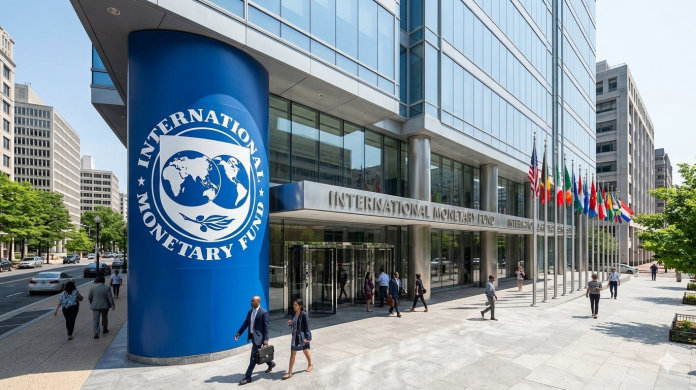

Pakistan and the International Monetary Fund have continued discussions during the final stage of ongoing economic review talks, with no final decision yet on whether the country’s tax revenue target will be revised for the current fiscal year. The negotiations are part of broader discussions aimed at evaluating Pakistan’s economic performance and determining the next steps for fiscal management and economic stability.
Officials from Pakistan’s economic team and representatives from the international financial institution have been engaged in virtual meetings to review the country’s macroeconomic indicators, revenue performance, and budget planning. The outcome of these talks could influence fiscal policy decisions and taxation measures in the upcoming federal budget.
Discussions on the Tax Revenue Target
One of the key topics under discussion is the tax collection target set for the national revenue authority. The government has been evaluating whether the existing target should be adjusted based on current economic conditions and revenue performance.
However, approval for any reduction in the tax target has not yet been granted. Negotiations are continuing as both sides review data and analyze whether the country can realistically achieve the existing revenue goals within the fiscal year.
The tax collection target plays an important role in determining fiscal discipline and ensuring that government spending is supported by sustainable revenue streams. Therefore, any adjustment requires careful consideration and agreement between policymakers and financial partners.
Review of Macroeconomic Conditions
During the review process, officials are examining Pakistan’s broader economic situation, including revenue generation, inflation trends, fiscal deficit levels, and overall economic growth. These indicators help determine whether current policies are delivering the desired results and whether adjustments are needed.
The discussions are also focused on ensuring that economic reforms remain on track while maintaining fiscal stability. Policymakers are analyzing how changes in taxation and spending policies could affect government finances and economic growth in the coming months.
Evaluating the macroeconomic environment is a critical part of the review process, as it helps guide decisions on taxation, fiscal policy, and economic reforms.
Relief Measures for Salaried Individuals
One of the key areas expected to receive attention in the final round of discussions is the possibility of providing tax relief to salaried individuals. Rising living costs and inflation have increased financial pressure on many households, prompting policymakers to explore ways to ease the tax burden on this segment of the population.
Proposals under consideration may include adjustments to income tax brackets or other measures aimed at reducing the tax burden on salaried employees. Any such decision would need to be carefully balanced with the government’s revenue requirements.
Providing relief to salaried taxpayers has become an important policy debate, especially as authorities attempt to balance economic growth with fiscal responsibility.
Possible Changes to the Super Tax
Another proposal being discussed is the possible abolition of the super tax. This tax measure has been applied to certain sectors and high-income groups as part of revenue collection efforts.
However, removing the super tax would have implications for government income, making it necessary for policymakers to assess alternative revenue sources before making any final decision. Approval from financial partners would also be required before implementing such a change.
The discussion around the super tax highlights the broader challenge of maintaining strong revenue generation while providing relief to businesses and taxpayers.
Proposals for Corporate and Property Tax Reductions
In addition to discussions about individual taxpayers, officials are also reviewing proposals related to reducing taxes on the corporate sector, high-income individuals, and property-related income. These measures are being considered as part of broader fiscal reforms aimed at encouraging investment and economic activity.
Reducing certain taxes could potentially stimulate business growth and attract investment, but it would also require careful planning to ensure that government revenues remain stable.
Policymakers are examining different options to balance economic incentives with the need for consistent revenue collection.
Expected Outcome of the Talks
The ongoing negotiations are expected to conclude with a joint statement outlining the key outcomes of the discussions. The statement will likely provide clarity on fiscal policy direction, tax targets, and possible reforms that could shape the upcoming federal budget.
The results of these talks will be closely watched by investors, businesses, and financial institutions, as they will influence economic policy and financial planning in the near future.
As Pakistan continues its economic reform process, cooperation with international financial institutions remains an important factor in maintaining fiscal discipline and strengthening economic stability. Decisions made during these negotiations will play a significant role in shaping the country’s fiscal outlook for the remainder of the fiscal year and beyond.
Read More
PTA Set to Conduct Second Phase of 5G Spectrum Auction Tomorrow


