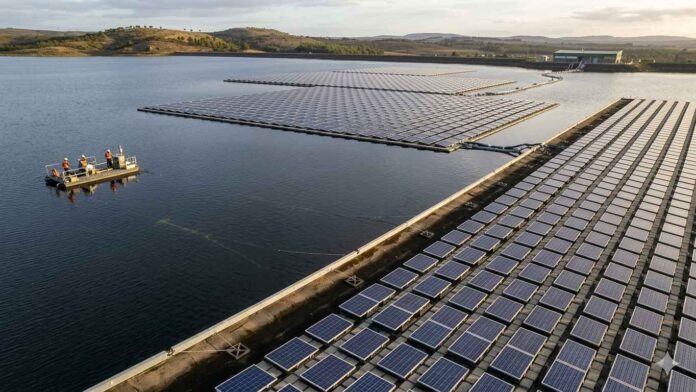

Pakistan’s solar energy landscape may be on the verge of a major policy shift that could significantly benefit residential consumers and small businesses. The federal government is actively considering removing application fees and licensing requirements for small-scale solar installations, particularly those with a capacity of up to 25 kilowatts. This move, if implemented, could simplify the process of adopting solar energy and accelerate the country’s transition toward renewable power. The proposal reflects growing recognition within the power sector that regulatory barriers may be slowing down the adoption of clean energy solutions, and by revisiting earlier policies that encouraged solar growth, authorities are signaling a renewed commitment to making solar energy more accessible and affordable.
Background of Solar Regulations in Pakistan
Pakistan introduced net metering regulations in 2015 to encourage distributed solar generation. Under this framework, consumers installing solar systems up to 25kW were not required to obtain licenses, and the process was simple, efficient, and cost-free, allowing electricity distribution companies to directly handle applications. This earlier approach proved highly effective in promoting solar adoption among households and small businesses because the absence of licensing fees and complex approval procedures made solar investment more attractive. As a result, rooftop solar installations grew steadily across urban and semi-urban areas. However, recent regulatory changes introduced a more centralized approval system, shifting authority away from distribution companies and introducing application fees even for smaller systems, which has sparked concern across the renewable energy sector.
Why the Government is Reconsidering NEPRA Charges
The reconsideration of fees and licensing requirements is driven by several important factors, including concerns that additional costs and bureaucratic hurdles may discourage consumers from investing in solar energy. Small-scale users are particularly sensitive to upfront costs, and even minor application fees can act as a deterrent when combined with the already significant cost of solar installations. By removing these charges, the government aims to restore financial incentives that previously made solar systems more accessible. Another major issue is the complexity of the approval process, as centralized systems can lead to delays and increased paperwork, whereas decentralized handling by distribution companies tends to be faster and more efficient. Feedback from industry stakeholders has also played a crucial role in shaping this reconsideration, as renewable energy advocates have consistently emphasized the need for a simpler and more supportive regulatory framework.
Impact on Residential Solar Users
If these proposed changes are implemented, residential consumers are likely to benefit significantly. The removal of licensing requirements would eliminate a key barrier to entry, making it easier for households to install solar systems and transition toward clean energy. Financially, the elimination of application fees would reduce the overall cost of installation, which could make solar energy more appealing to middle-income households. In addition, a simplified approval process would shorten waiting times, allowing consumers to begin generating electricity more quickly and achieve faster returns on their investment. The overall effect would likely be an increase in consumer confidence and interest in solar solutions, as a more supportive regulatory environment encourages broader participation.
Benefits for Small Businesses and Commercial Users
Small businesses are another group that could gain significantly from the removal of fees and licensing requirements. Many small enterprises operate under tight financial constraints and are constantly seeking ways to reduce operational costs, particularly energy expenses. Solar energy offers a practical solution by lowering electricity bills and providing a degree of independence from the grid, but regulatory hurdles can discourage business owners from adopting it. By eliminating fees and simplifying procedures, the government could encourage more businesses to invest in solar power, which would not only reduce their costs but also improve productivity and competitiveness. The reduction in administrative burdens would further allow business owners to focus on growth rather than navigating complex regulatory processes.
Role of Distribution Companies in the Proposed Framework
A key aspect of the proposed policy change is the potential return of approval authority to electricity distribution companies. Under the earlier system, these companies handled applications for small-scale solar systems, creating a decentralized and efficient process. Their proximity to consumers allowed for faster processing and fewer delays, which contributed to the success of the policy. Reinstating this approach could significantly improve the user experience by reducing bureaucratic layers and ensuring quicker approvals. It would also ease the burden on central regulatory authorities, enabling them to focus on larger-scale energy projects while distribution companies handle routine applications for small systems.
Concerns Raised by the Renewable Energy Sector
The renewable energy sector has raised several concerns regarding recent regulatory changes, particularly the shift toward centralized approvals and the introduction of application fees. Industry stakeholders argue that these measures could slow down the growth of solar energy by creating unnecessary barriers for consumers. One major concern is that centralized systems tend to increase processing times and create uncertainty for applicants, which can discourage investment. Another issue is the psychological impact of fees, as even small charges can make solar systems appear less accessible to potential users. Stakeholders have also emphasized the importance of maintaining consistent policies, as frequent regulatory changes can undermine investor confidence and slow the development of the renewable energy sector.
Potential Impact on Pakistan’s Energy Mix
The removal of fees and licensing requirements could have a transformative impact on Pakistan’s energy mix by encouraging widespread adoption of solar energy. Increased use of rooftop solar systems can reduce reliance on conventional power sources and alleviate pressure on the national grid, particularly during peak demand periods. This shift would improve energy reliability and help address power shortages. Additionally, expanding solar energy usage contributes to environmental sustainability by reducing greenhouse gas emissions and dependence on fossil fuels. The move aligns with global trends toward decentralized renewable energy systems and positions Pakistan to benefit from the growing emphasis on clean energy solutions.
Economic and Social Implications
Beyond the energy sector, the proposed changes have important economic and social implications. Lower electricity costs can improve household financial stability, allowing families to allocate more resources to other needs. For businesses, reduced energy expenses can enhance profitability and support expansion, particularly for small and medium-sized enterprises that form the backbone of the economy. Socially, increased access to reliable and affordable energy can improve quality of life by supporting better education, healthcare, and communication. The growth of the solar sector can also create employment opportunities in installation, maintenance, and related services, contributing to broader economic development.
Challenges and Considerations
While the proposed policy changes offer numerous benefits, there are also challenges that need to be addressed. Ensuring the quality and safety of solar installations is critical, as the removal of licensing requirements should not lead to substandard systems. Clear guidelines and standards will be necessary to maintain safety and performance. Another challenge is managing the impact on the national grid, as increased distributed generation may require upgrades to infrastructure and the adoption of smart technologies. Policymakers must also balance incentives for consumers with the financial sustainability of the power sector to ensure that reforms do not create unintended consequences.
What This Means for the Future of Solar Energy in Pakistan
The potential removal of fees and licensing requirements represents a significant step toward a more inclusive and supportive solar policy. If implemented effectively, it could lead to a surge in small-scale solar installations, benefiting consumers and strengthening the country’s energy system. By empowering households and businesses to generate their own electricity, Pakistan can enhance energy security and resilience while reducing environmental impact. The policy also sends a positive signal to investors and industry stakeholders, indicating a strong commitment to renewable energy development. Continued support, clear communication, and consistent regulations will be essential to ensure the success of this initiative.
Conclusion
The government’s consideration of removing fees and licensing requirements for small solar users marks a promising development for the renewable energy sector. By simplifying regulations and reducing costs, the policy has the potential to drive widespread adoption of solar power across Pakistan. For consumers, it offers the prospect of lower energy costs and greater independence, while for the country, it represents a step toward a more sustainable and resilient energy future.
Read More
Pakistan Ports Handle 179,335 Tons of Cargo in Single Day Despite Hormuz Tensions