
Pakistan is once again facing a sharp increase in fuel prices as the government raises petrol and diesel rates significantly in a move linked to fiscal adjustments and revenue targets. The latest revision has added a substantial burden on consumers, businesses, and the broader economy, as fuel prices continue to play a central role in determining inflation and overall economic stability.
The government has increased petrol and diesel prices by Rs. 26.77 per litre, pushing petrol to Rs. 393.35 per litre and high-speed diesel to Rs. 380.19 per litre for the latest pricing cycle. This unexpected rise has come as a surprise to many, especially since earlier projections had suggested a possible reduction in fuel prices due to favorable global trends. Instead of relief, consumers are now facing another wave of cost increases that are likely to ripple across all sectors of the economy.
Why Fuel Prices Increased Despite Expectations of a Decline
Prior to the announcement, market expectations indicated that fuel prices might decrease, driven by relatively stable or declining international oil prices. Petrol was projected to drop by around Rs. 6 per litre, while diesel was expected to see a much larger reduction of approximately Rs. 25 per litre. These projections created a sense of optimism among consumers who were hoping for some financial relief.
However, the actual outcome was drastically different due to the government’s decision to increase taxes on petrol. The petroleum levy on petrol was raised by approximately Rs. 27 per litre, significantly altering the final price calculation. This increase effectively offset any potential reduction that could have resulted from global price trends, leading to a net increase in fuel prices instead.
The decision reflects the government’s urgent need to generate revenue in the final months of the fiscal year, as it works to meet financial commitments and stabilize the economy under challenging conditions.
Breakdown of Current Fuel Taxes in Pakistan
Fuel pricing in Pakistan is heavily influenced by various taxes and levies imposed by the government. With the latest revision, the total tax burden on petrol has reached around Rs. 135 per litre, making it a major component of the final retail price. These taxes include the petroleum levy, customs duties, and additional charges such as climate-related fees.
For diesel, the tax burden is relatively lower but still significant, standing at approximately Rs. 65 per litre. Diesel is a critical fuel for transportation, agriculture, and industrial sectors, which means any increase in its price has widespread economic consequences.
The petroleum levy, in particular, has become a key tool for revenue generation. By increasing this levy, the government can quickly raise funds without directly altering base fuel prices, but the impact on consumers remains the same as it increases the final price paid at the pump.
Connection to IMF Program and Fiscal Targets
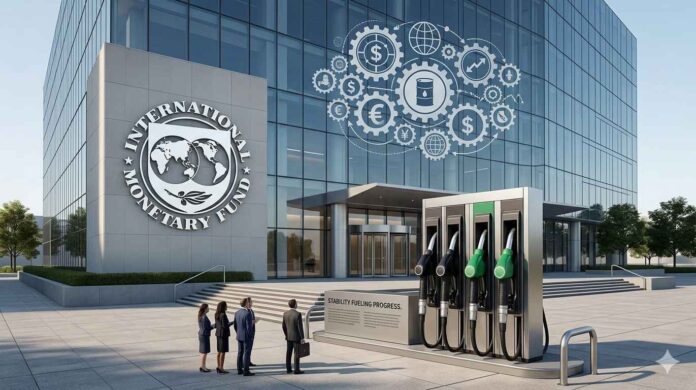
The recent fuel price hike is closely tied to the government’s commitments under its ongoing financial program with the International Monetary Fund. As part of this program, Pakistan is required to meet specific fiscal targets, including revenue collection goals and deficit reduction measures.
Raising fuel taxes is one of the most immediate and effective ways to increase government revenue. By adjusting the petroleum levy, authorities can generate substantial funds in a short period, helping to bridge fiscal gaps and meet agreed targets.
Officials have indicated that this move is part of a broader strategy to secure continued financial support, with expectations that over one billion dollars in funding could be approved in the coming weeks. Meeting these conditions is considered essential for maintaining economic stability and ensuring access to international financial assistance.
Government’s Justification for the Price Increase
Government representatives have defended the decision, stating that rising global oil prices and limited fiscal space left them with few alternatives. Authorities have emphasized that they had been absorbing international price increases for as long as possible to shield consumers from immediate impacts.
However, with economic pressures mounting and fiscal targets becoming increasingly difficult to achieve, the government ultimately decided to pass on the burden to consumers. This approach highlights the difficult balance policymakers must maintain between protecting citizens from rising costs and ensuring the financial sustainability of the state.
Officials have also pointed out that fuel prices have been highly volatile in recent months, largely due to geopolitical developments that have disrupted global energy markets. These fluctuations have made it challenging to maintain stable domestic pricing.
Impact on Inflation and Cost of Living
The increase in petrol and diesel prices is expected to have a significant impact on inflation, which is already a major concern for households across Pakistan. Fuel costs are a key driver of inflation because they directly affect transportation, production, and distribution expenses.
As fuel prices rise, transportation costs increase, leading to higher prices for goods and services. This creates a chain reaction that affects everything from food prices to utility bills, placing additional strain on household budgets.
For low- and middle-income families, the impact can be particularly severe, as a larger portion of their income is spent on essential expenses. The rising cost of living may force many households to cut back on non-essential spending, which could also slow down economic activity.
Effects on Key Economic Sectors
Several sectors of the economy are likely to feel the impact of higher fuel prices more acutely than others. The transportation sector, for example, is directly affected, as fuel is a primary operating cost. Higher diesel prices, in particular, can lead to increased freight charges, which are then passed on to consumers.
The agricultural sector is another major area of concern. Diesel is widely used in farming equipment and irrigation systems, meaning higher fuel costs can increase the cost of agricultural production. This, in turn, can lead to higher food prices, further contributing to inflation.
Industrial sectors may also face higher production costs, especially those that rely heavily on fuel for manufacturing and logistics. These increased costs can reduce competitiveness and potentially slow down industrial growth.
Public Reaction and Economic Concerns
The latest fuel price increase has sparked concern among the public, with many expressing frustration over the continued rise in living costs. For many households, fuel expenses represent a significant portion of monthly budgets, and repeated price hikes can create financial stress.
Businesses, particularly small enterprises, are also feeling the pressure, as higher operating costs can reduce profit margins and limit growth opportunities. The overall economic environment becomes more challenging when both consumers and businesses are under financial strain.
There are also concerns about the long-term sustainability of relying on fuel taxes as a primary source of revenue. While effective in the short term, this approach can have negative consequences for economic growth and social stability if not managed carefully.
Global Oil Market Trends and Their Influence
Global oil prices play a crucial role in determining domestic fuel prices, and recent trends have been marked by volatility. Geopolitical tensions, supply disruptions, and changing demand patterns have all contributed to fluctuations in international oil markets.
Since late February, global oil prices have experienced sharp increases, driven by uncertainties in key producing regions. These developments have made it more difficult for countries like Pakistan to maintain stable fuel prices.
While international trends may sometimes provide opportunities for price reductions, domestic policy decisions, such as tax adjustments, can override these effects. This highlights the complex interplay between global markets and national fiscal policies.
Future Outlook for Fuel Prices in Pakistan
Looking ahead, fuel prices are likely to remain uncertain, influenced by both global oil market conditions and domestic fiscal policies. If international prices continue to rise, further increases in domestic fuel rates may be difficult to avoid.
At the same time, the government’s need to meet fiscal targets and secure international funding will continue to shape pricing decisions. This means that tax adjustments could remain a key factor in determining fuel costs.
However, there is also potential for relief if global oil prices stabilize or decline. In such a scenario, the government may have more flexibility to reduce prices or at least limit further increases.
Conclusion
The latest increase in petrol and diesel prices reflects the complex economic challenges facing Pakistan, where fiscal pressures, international commitments, and global market trends intersect. While the decision to raise fuel taxes may help the government meet its financial targets, it comes at a significant cost to consumers and businesses.
As fuel prices continue to rise, their impact will be felt across all sectors of the economy, contributing to inflation and increasing the cost of living. Balancing the need for fiscal stability with the well-being of citizens remains a critical challenge for policymakers.
The coming months will be crucial in determining how fuel prices evolve and whether any relief measures can be introduced to ease the burden on the public. Until then, the latest price hike serves as a reminder of the far-reaching effects of economic policy decisions on everyday life.
Read More
Is the Government Ending NEPRA Fees and Licensing for Small Solar Users?