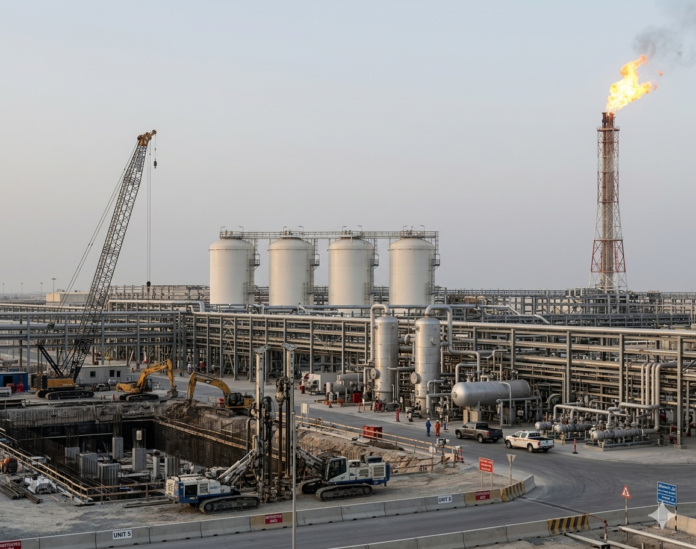

Major LNG Disruption Sparks Regional Energy Fears
South Asia is facing the threat of a serious energy crisis following extensive damage to a major liquefied natural gas export hub in the Gulf region. The incident has triggered widespread concern across countries heavily dependent on imported gas, particularly Pakistan and India. The affected facility plays a critical role in global LNG supply chains and serves as a primary source of gas imports for several nations in the region. Any prolonged disruption at this hub could significantly impact energy availability and economic stability.
The situation has escalated tensions in an already fragile global energy market, where supply chains are highly sensitive to geopolitical developments. The damage to such a key export center has introduced new uncertainty, forcing governments to prepare for potential shortages and price volatility.
Pakistan’s Heavy Dependence Raises Vulnerability
Pakistan stands among the most vulnerable countries in this unfolding crisis due to its overwhelming reliance on a single supplier for liquefied natural gas. Nearly all of the country’s LNG imports are sourced from this one major exporter, leaving little room for flexibility in times of disruption. If shipments remain suspended for an extended period, Pakistan could face significant challenges in meeting its energy demands.
This dependency has long been a concern for policymakers, as it exposes the country to external shocks beyond its control. With limited alternative supply arrangements and constrained storage capacity, any interruption can quickly translate into shortages across key sectors.
Risk of Gas Shortages and Power Outages
One of the most immediate concerns for Pakistan is the potential for widespread gas shortages and electricity disruptions. Natural gas plays a central role in power generation, industrial operations, and domestic usage. A sustained shortfall in supply could lead to increased load-shedding, particularly during peak demand periods.
Industries that rely heavily on gas may also face reduced production capacity, affecting economic output and employment. Export-oriented sectors could be particularly impacted, as energy shortages can disrupt manufacturing schedules and reduce competitiveness in global markets.
The ripple effects of such disruptions extend beyond industry, potentially affecting daily life for millions of households. Reduced gas availability for heating and cooking, combined with longer electricity outages, could place additional strain on consumers already dealing with economic pressures.
Regional Impact Across South Asia
While Pakistan is among the hardest hit, other South Asian countries that depend on LNG imports are also likely to experience the consequences of this disruption. Countries with growing energy needs and limited domestic resources may struggle to secure alternative supplies in a tight global market.
The situation highlights the interconnected nature of regional energy systems, where a disruption in one part of the supply chain can have far-reaching implications. Increased competition for available LNG cargoes could drive up prices, making it even more difficult for developing economies to manage their energy needs.
Shipping Routes and Supply Chains Under Pressure
In addition to the direct impact on production, the crisis has also affected key energy shipping routes. Critical maritime pathways used for transporting oil and gas have become more uncertain due to rising regional tensions. Any disruption to these routes can further complicate supply chains, delaying shipments and increasing transportation costs.
These logistical challenges add another layer of complexity to an already difficult situation. Even if production resumes, restoring normal supply levels may take time due to backlogs and shipping constraints.
Government Response and Emergency Planning
Authorities in Pakistan are closely monitoring the evolving situation and taking proactive measures to mitigate its impact. Key government departments are holding regular meetings to assess supply conditions and explore potential solutions. These include the possibility of arranging emergency imports, implementing fuel rationing, and adjusting energy consumption patterns to manage demand.
Such measures are aimed at minimizing the impact on critical sectors and ensuring that essential services continue to operate. However, the effectiveness of these steps will largely depend on the duration of the disruption and the availability of alternative supply sources.
Need for Diversification and Long-Term Strategy
The current crisis underscores the urgent need for a more diversified energy strategy. Relying heavily on a single supplier leaves countries exposed to significant risks, particularly in times of geopolitical instability. Expanding the supplier base, investing in storage infrastructure, and developing domestic energy resources are essential steps toward building resilience.
In addition, greater emphasis on renewable energy and energy efficiency can help reduce dependence on imported fuels. While such transitions take time, they are crucial for ensuring long-term energy security.
Conclusion
The disruption of a major LNG supply hub has created a challenging situation for Pakistan and the broader South Asian region. With the risk of gas shortages, power outages, and economic slowdown, the coming weeks will be critical in determining the extent of the impact. While short-term measures may help manage the crisis, the situation highlights deeper structural issues that require long-term solutions. Strengthening energy security through diversification and strategic planning will be key to preventing similar challenges in the future.
Read More
One-Window Facility at Port Qasim Aims to Boost Export Efficiency