
Government Announces Major Livestock Development Project in Northern Regions
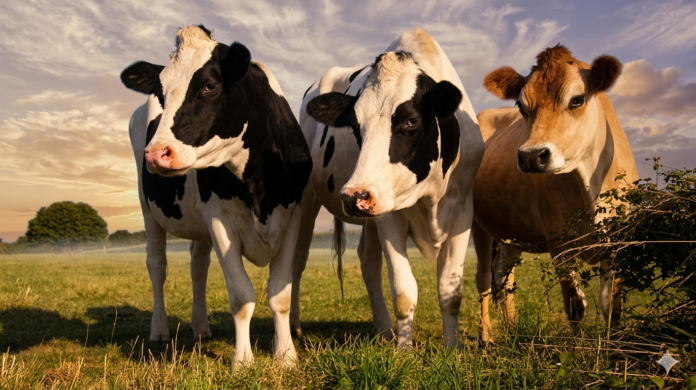
The government has unveiled a Rs. 300 million project aimed at transforming the livestock sector in Gilgit Baltistan and Azad Kashmir by converting animal fibre into high-value products. This ambitious initiative is designed to strengthen the local economy by introducing modern production techniques, establishing a structured value chain, and enhancing the livelihoods of farmers and artisans. Scheduled to run for three years from July 2026 to June 2029, the project will focus on improving the quality, processing, and marketability of wool, hair, and mohair produced in the northern regions.
Boosting Farmer Incomes Through Value Addition
A core objective of the project is to increase farmers’ incomes by 15 to 20 percent by improving productivity and access to markets. By creating a structured value chain that spans from raw material collection to finished products, farmers and local artisans will have the opportunity to generate higher revenues from livestock fibre. Improved processing facilities, better technical knowledge, and targeted training programs are expected to make the livestock sector more profitable and sustainable over time.
Establishment of Raw Material Collection and Processing Units
The initiative will establish 35 raw material collection units across all districts of Gilgit Baltistan and Neelum Valley, ensuring systematic collection of wool, hair, and mohair. These units will serve as the foundation of the value chain, enabling consistent quality and volume of raw materials for processing. Complementary facilities for cleaning, spinning, and processing will also be developed, providing the technical infrastructure required to produce high-quality fibre ready for manufacturing into marketable products.
Promoting Local Craftsmanship with Weaving and Stitching Centres
To preserve and promote local craftsmanship, the project includes the creation of weaving and stitching centres in the northern regions. These centres will enable artisans to produce finished goods from locally sourced fibre, fostering traditional skills while integrating modern production methods. By connecting raw materials with skilled workmanship, the initiative will create a full spectrum of value addition, from fibre collection to market-ready products, and contribute to the economic empowerment of rural communities.
Strengthening Institutional Linkages Through Yak Dwellers Association
A key component of the project is the formation of the Yak Dwellers Association, which will strengthen institutional linkages within the livestock sector. This association will serve as a platform for farmers and community members to coordinate activities, share resources, and collectively address challenges related to fibre production, processing, and marketing. Strong institutional frameworks are expected to support long-term sustainability and facilitate continuous development of the sector.
Training Programs to Enhance Technical and Business Skills
The initiative places significant emphasis on capacity building for farmers and artisans. Targeted training programs will equip participants with both technical skills for improved fibre processing and business skills for effective market engagement. These programs will cover best practices in fibre handling, product design, quality control, and entrepreneurship, enabling local communities to operate profitably while maintaining high standards of production.
Improving Animal Health for Better Fibre Quality
Animal health and management are critical for producing high-quality wool, hair, and mohair. Under the project, approximately 25,000 animals will undergo vaccination and deworming to improve overall health and fibre quality. Healthy livestock not only enhances fibre production but also strengthens the resilience of farming communities and ensures long-term sustainability of the value chain.
Marketing and Tourism-Linked Display Centres
To connect local products with buyers, the project will establish marketing and display centres strategically linked with the tourism sector. These centres will showcase finished products, attract potential buyers, and provide a platform for promoting the unique craftsmanship of northern communities. By leveraging tourism, the initiative aims to create additional revenue streams and raise awareness of high-value fibre products at both regional and national levels.
Community Ownership and Long-Term Sustainability
A central principle of the project is community ownership of facilities and activities. By involving local stakeholders in the management and operation of collection units, processing facilities, and display centres, the project ensures that benefits remain within the community. This participatory approach fosters accountability, encourages long-term maintenance of infrastructure, and enhances the sustainability of the initiative over time.
Conclusion
The Rs. 300 million livestock development project represents a transformative opportunity for Gilgit Baltistan and Azad Kashmir. By establishing a complete value chain, improving animal health, promoting local craftsmanship, and creating marketing channels, the initiative aims to increase farmer incomes, strengthen rural economies, and develop a sustainable livestock sector. With its focus on technical training, institutional support, and community ownership, the project sets the foundation for long-term growth and positions northern Pakistan as a hub for high-quality fibre products in domestic and international markets.
Read More
PTA Recommends Activating Free Option to Prevent Unexpected Mobile Charges